
Ramona is the most agricultural community we serve, and not as a figure of speech. The county's own plan calls domestic agriculture perhaps the most important element of the Ramona rural lifestyle, and lists commercial egg ranching, dairy, vineyards, ornamental production and avocado farming among the working uses here. Ramona Valley is a federally recognized wine appellation. Families keep horses and raise animals for 4-H and Future Farmers projects.
The planning area runs to nearly 84,000 acres, with residential densities from one dwelling per ten acres up to town-center density on Main Street. Outside the two sewer service areas, the county says developments rely primarily on septic, and in some areas there is no water source other than groundwater.
Call 619-277-4796 and tell us what you are running on the property.
Where there are animals there is feed, and feed is what sets the size of a rodent population. Both roof rats and Norway rats are drawn to animal feed left accessible outdoors. Grain in sealed metal containers, kept off the floor, with spillage swept rather than left, does more than any amount of trapping, because trapping into an unlimited food supply is a treadmill.
Barns, coops, hay storage and tack rooms are the harborage side of the same problem. Roof rats nest in enclosed elevated spaces, which describes a hay loft or a rafter run exactly.
Ramona has a genuine egg-ranching history and still has commercial poultry operations, along with a lot of backyard flocks. Coops bring spilled scratch, standing water and manure, which is the full set: rodents, filth flies and mosquito habitat in one place. Coop siting, dry bedding and feed containment carry most of the load here.
House flies can go from egg to adult in about seven days in summer conditions. Stable flies are slower, roughly twenty days, and they bite, going for the legs and lower body of animals and people.
The useful detail is that stable flies avoid fresh manure. What they breed in is fermenting, wetted material: soiled bedding, waste hay under a leaking waterer, the pile that got rained on. They also do not travel far, with most staying within about a mile of where they developed, so the source is almost always on your property or the adjoining one. Removing manure on roughly a two-week cycle can cut the population substantially, which spraying cannot, since it kills adults and leaves the breeding site intact.
Ramona's daily temperature range averages over thirty degrees, and the record span runs from 16 degrees to 117. That matters more than it sounds. Cold nights push rodents toward heated structures in a way the coast never does, and extreme summer heat concentrates every animal on the property onto whatever is irrigated, which is your yard, your troughs and your leaking hose bib.
Avocado and citrus are grown here, and roof rats eat both while the fruit is still on the tree, leaving a hollowed rind hanging from the branch. On acreage with an orchard, that is a year-round food source, and fallen fruit on the ground is the other half.
Outside the Santa Maria and San Vicente sewer areas, properties are on septic. Without a connected sewer network, American cockroaches lose their usual route, and the peridomestic roach problem moves outdoors to meter boxes, irrigation boxes, woodpiles and leaf litter. Recurring small drain flies indoors carry more weight on a septic property, since they breed in septic systems as well as in drain film, and a persistent population is worth having the system checked over. Well houses and pump houses are reliable rodent harborage for the same reason sheds are.
The 2007 Witch Fire started in the Witch Creek area east of Ramona on 21 October and burned 197,990 acres, with roughly 1,650 structures destroyed by CAL FIRE's count. The Cedar Fire came through the wider area in 2003.
Fuel-reduction clearing displaces the animals living in the brush, and in our experience structural pressure rises for a few weeks afterward. Research after the 2003 fires did find that deer mice increase in burned San Diego chaparral while cover-dependent species decline, but that study measured wildland populations rather than animals entering buildings. The step to your house is our field observation, not a published finding.
Deer mice carry hantavirus in San Diego County and they live in rural areas and the mountains; common house mice do not. Illness is rare, four cases among county residents since 2000 and three of them contracted elsewhere. The reason to raise it is the method: the county says explicitly not to sweep or vacuum droppings, urine or nesting material. Spray with a ten-to-one water and bleach solution, leave it fifteen to twenty minutes, then clean up wet. A closed-up barn, feed room or well house is exactly the setting that guidance is written for.
Everything we do is available in Ramona, CA. It falls into three groups.
General Pest Control is the core program, working the exterior so the interior stays quiet. Within it sit Ant Control, Cockroach Control, Spider Control, Flea & Tick Treatment, Rodent Control, Bed Bug Treatment, Mosquito Control and Bee, Wasp & Hornet Control. For houses and condos see Residential Pest Control; for restaurants, offices and multi-unit buildings see Commercial Pest Control.
Wildlife Removal covers raccoons, opossums, skunks and birds. The work is exclusion led: a healthy adult can only be released where it was caught, so sealing the way in is the only thing that actually ends it. Injured or orphaned animals go to a licensed rehabilitator rather than being destroyed.
Termite Control begins with Termite Inspections to settle whether it is drywood or subterranean, and Termite Treatment follows from that answer. When the question is broader than termites, Pest Inspections cover the whole property.
Sealed metal containers, feed off the floor, spillage swept, and the building sealed at the roofline. Then control has a defined population to work on instead of an open supply.
Stable flies, and they are breeding in wet fermenting material rather than fresh manure. Find the soaked bedding or the waste hay under a leaking trough, remove it regularly, and fix the drainage.
The roach picture moves outdoors, and drain flies indoors become a more useful signal, since they can breed in the septic system itself.
Coops concentrate spilled feed, water and manure. Dry bedding, contained feed and sensible siting prevent most of the rodent and fly problems that follow.
Lakeside · Eucalyptus Hills · Alpine
Full coverage for this office is listed on our El Cajon location page. For central San Diego, see San Diego.
Call 619-277-4796 or send a request and tell us what you are seeing in Ramona. We will recommend a plan that fits the property.
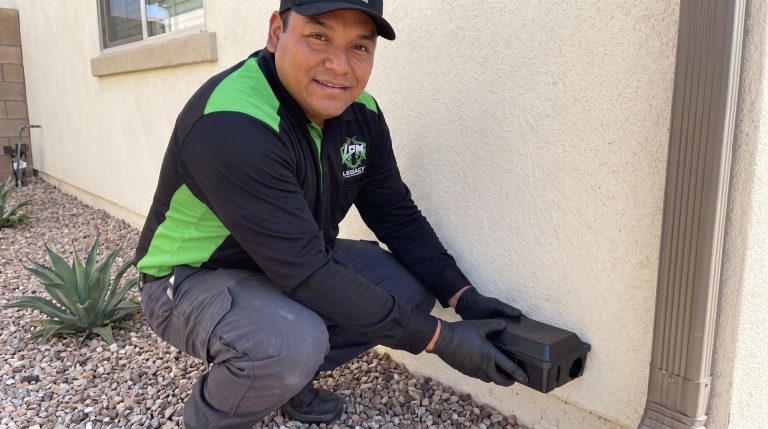
Recurring protection against ants, cockroaches, spiders, fleas, mites and the other common insects in San Diego County homes and businesses.
Learn More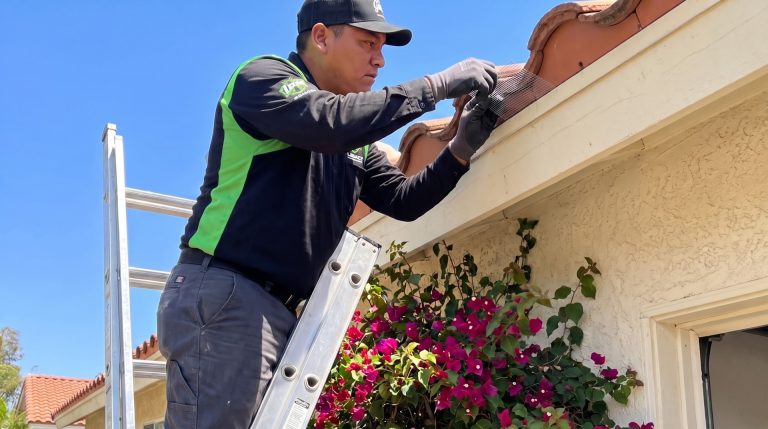
Raccoon, opossum, skunk and bird work across San Diego County. Exclusion first, and injured or orphaned animals to a licensed rehabilitator rather than destroyed.
Learn More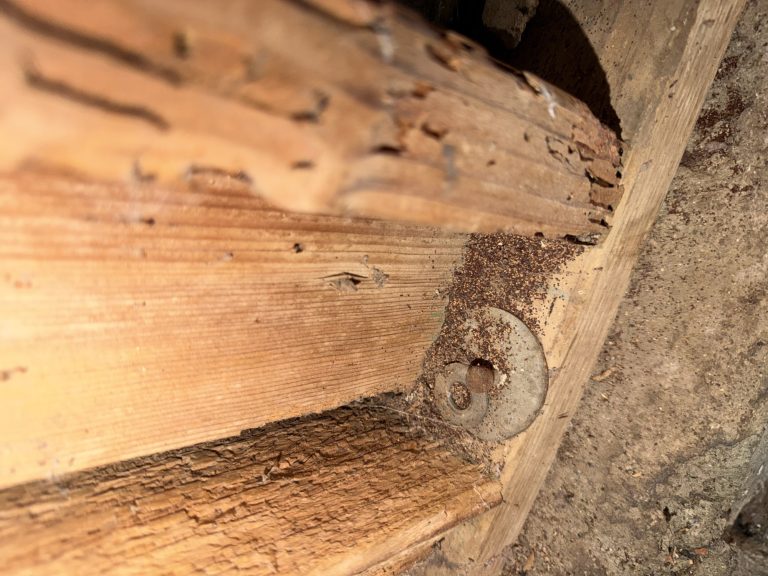
Inspection, identification and treatment for drywood and subterranean termites across San Diego County, in that order.
Learn More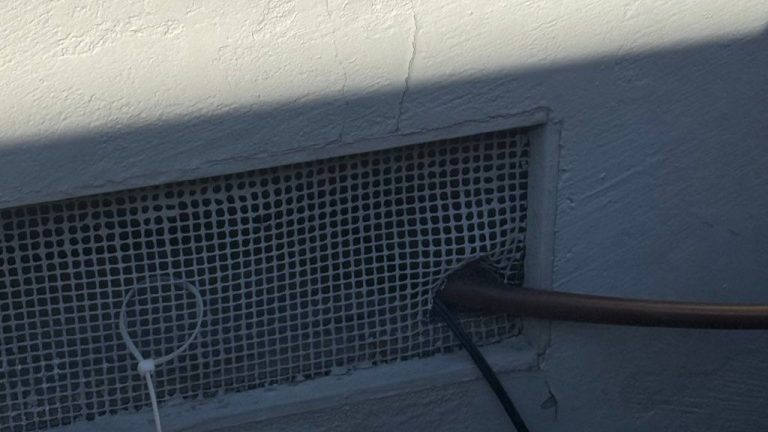
Closing how animals get in is the only step that ends the problem. Quarter-inch galvanised mesh, buried edges, and fasteners that hold.
Learn More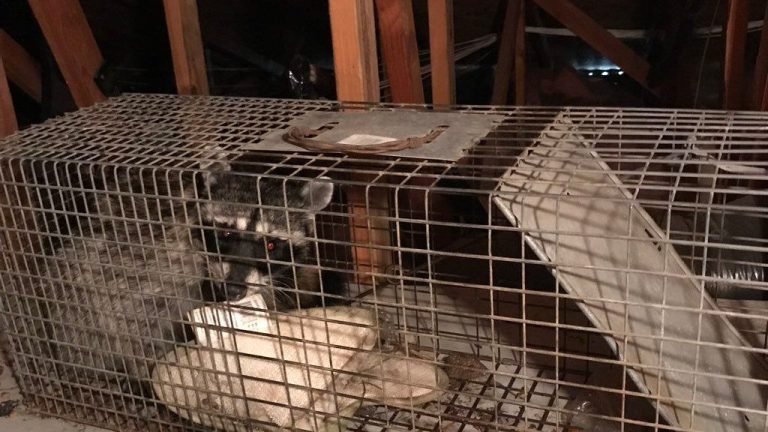
Raccoon removal and attic exclusion across San Diego County, with the latrine cleanup that most quotes leave out.
Learn More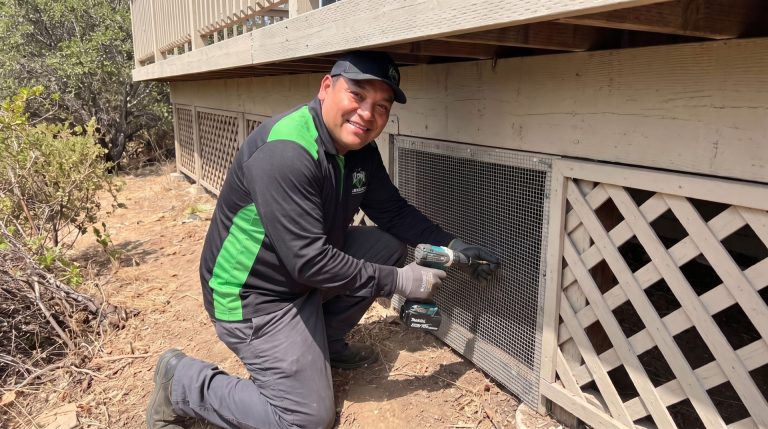
Opossum removal and under-structure exclusion for San Diego County homes, plus the flea problem that comes with them.
Learn More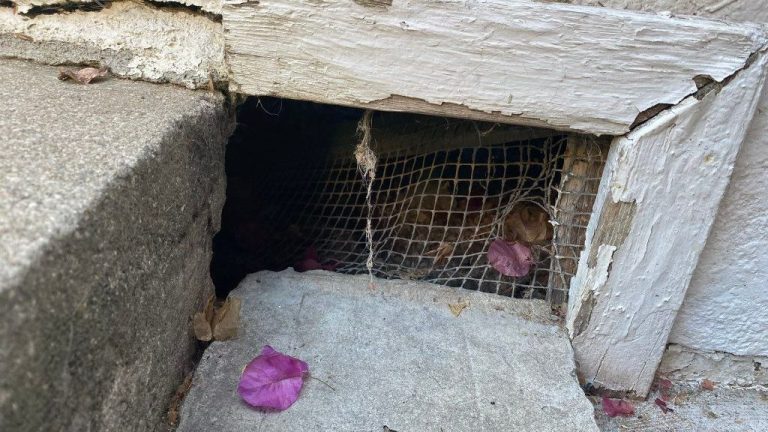
Skunk removal and den exclusion for San Diego County properties, handled so nothing gets sprayed under your house.
Learn More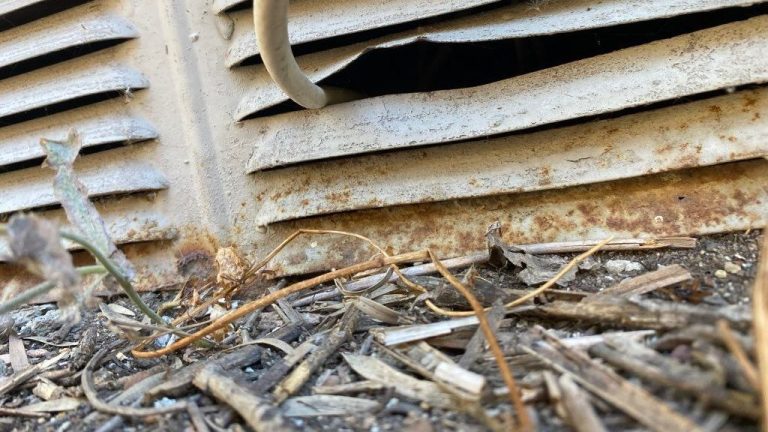
Bird exclusion, netting and solar array screening for San Diego County, worked to what federal law actually allows.
Learn More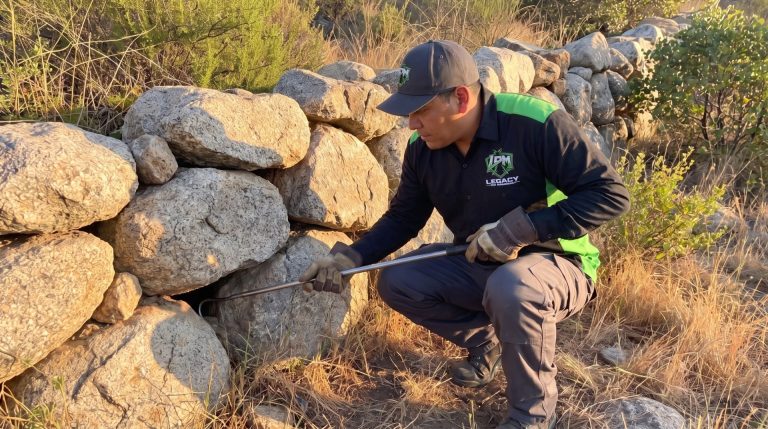
Identification first. Four rattlesnake species live in this county and one of them is illegal to kill.
Learn More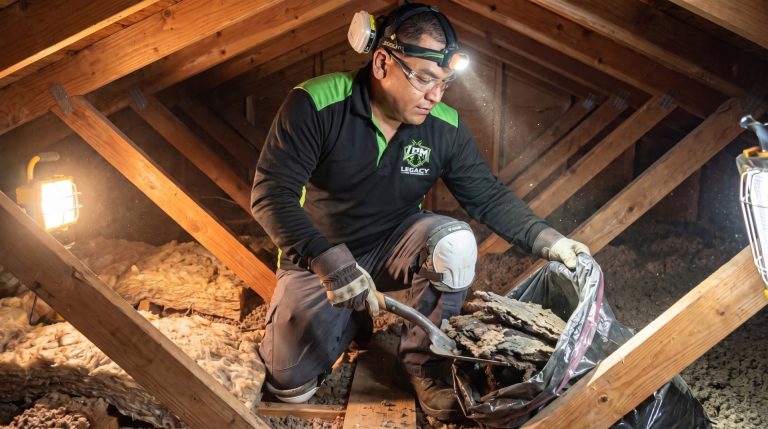
Cleanup and re-insulation after wildlife, done where it is genuinely needed and not sold where it is not.
Learn More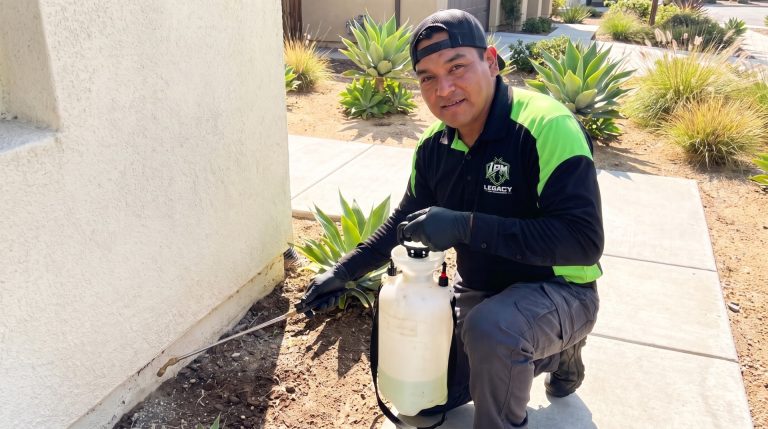
Protect your San Diego County home from pests with targeted residential treatments and prevention.
Learn More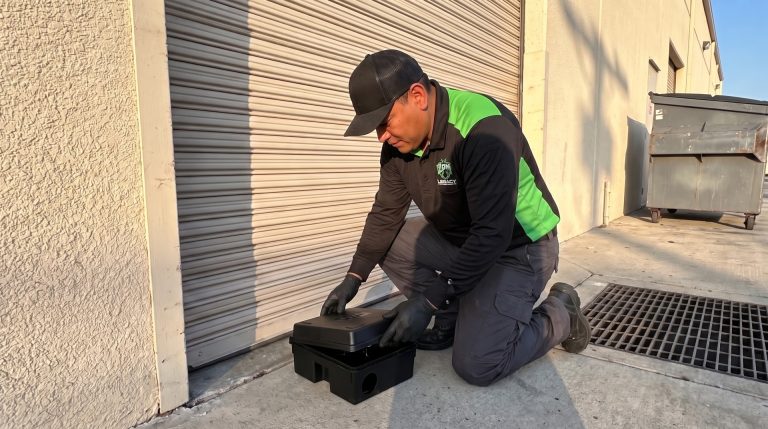
Protect your business from pests with discreet, reliable commercial pest control tailored to your property.
Learn More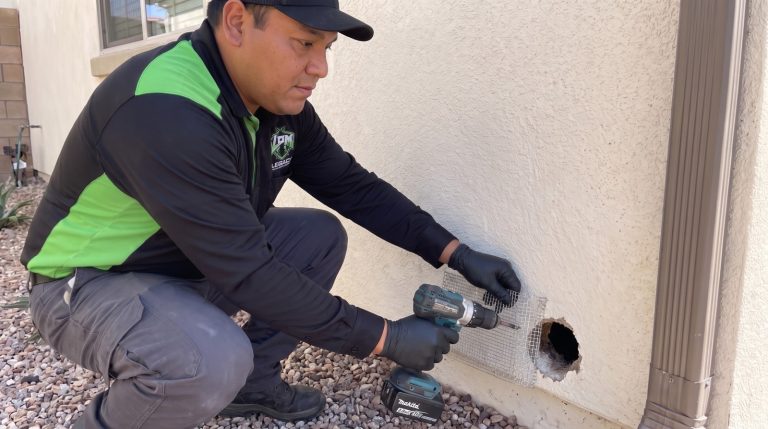
Fast rodent control for San Diego County homes and businesses with practical, lasting protection.
Learn More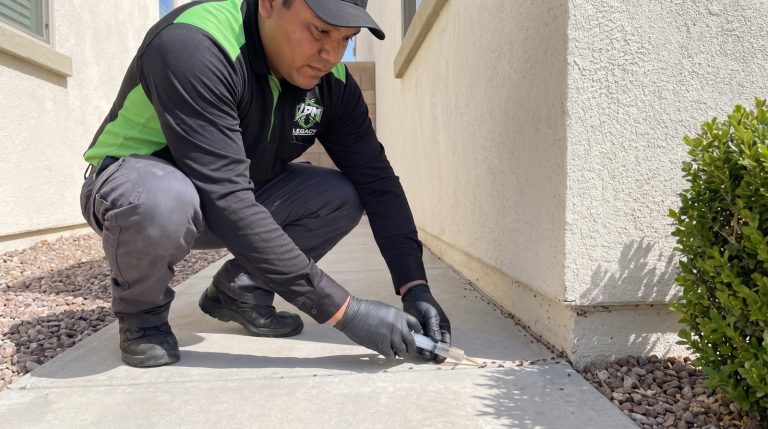
Stop ant trails fast with targeted ant control for homes and businesses across San Diego County.
Learn More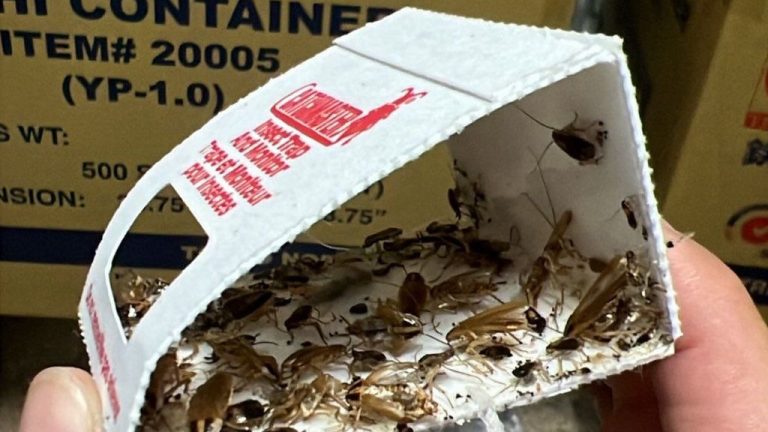
Stop roaches from spreading through your home with targeted, reliable local treatment.
Learn More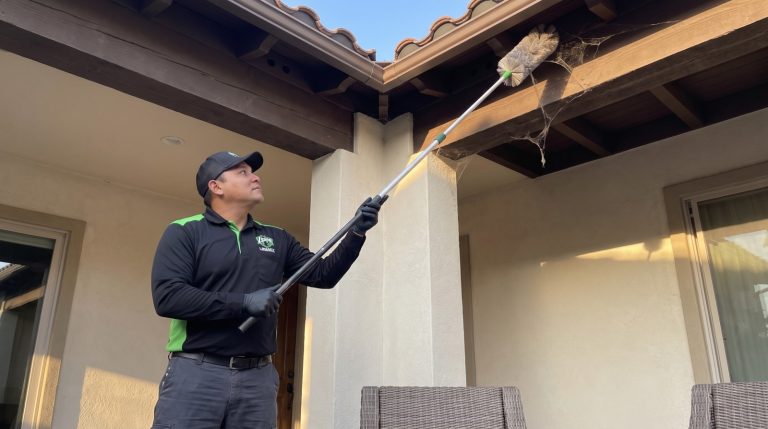
Black widows, brown widows, and the crickets and beetles that come in through the same gaps. We treat the band around the outside, not the whole yard.
Learn More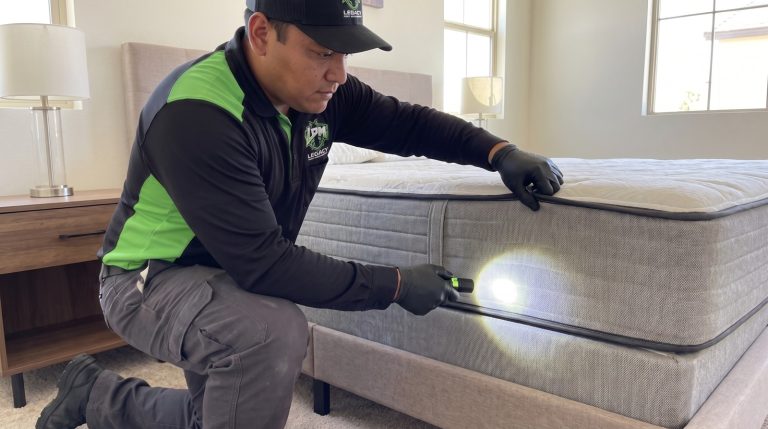
Stop bed bugs fast with careful treatment that helps protect your home and sleep.
Learn More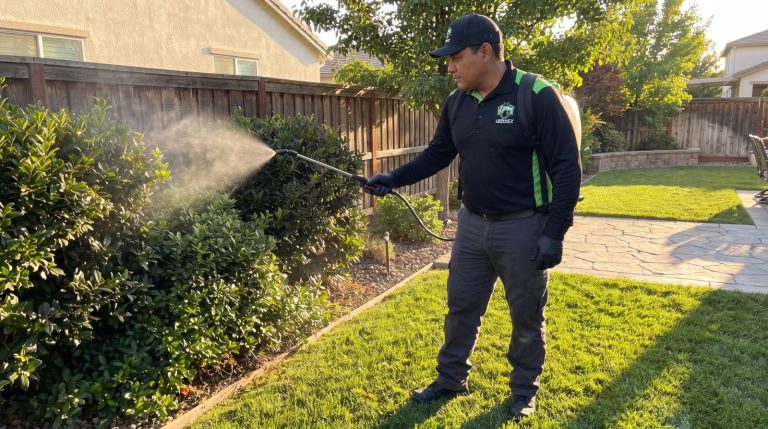
Reduce mosquito activity around your property with targeted treatments and practical prevention.
Learn More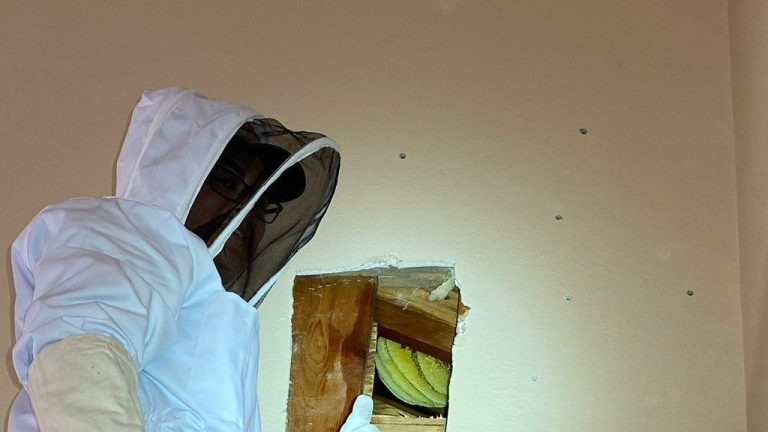
Bee, wasp, yellowjacket and hornet nests removed safely, with honey bee comb taken out rather than left in the wall.
Learn More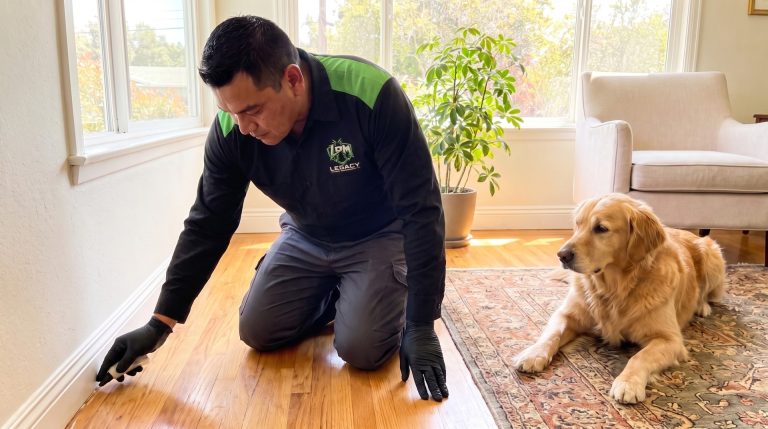
Fleas, ticks and mites are usually a symptom of something else. We find the source, treat the structure, and tell you which ticks a treatment cannot help with.
Learn More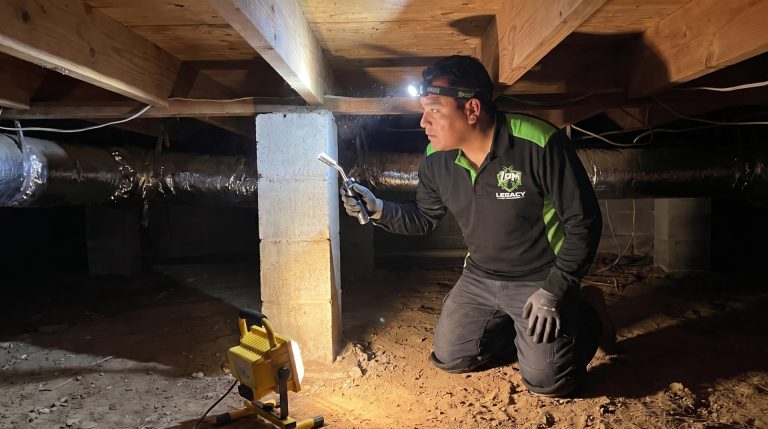
Subterranean termites, rodents, ants and moisture all start under the floor. We inspect, correct the conditions, and seal the entries.
Learn More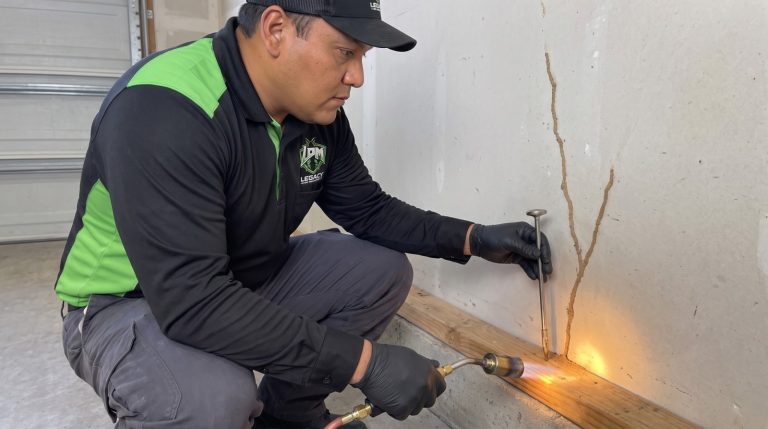
Find termite activity early with careful inspections for homes and businesses across San Diego County.
Learn More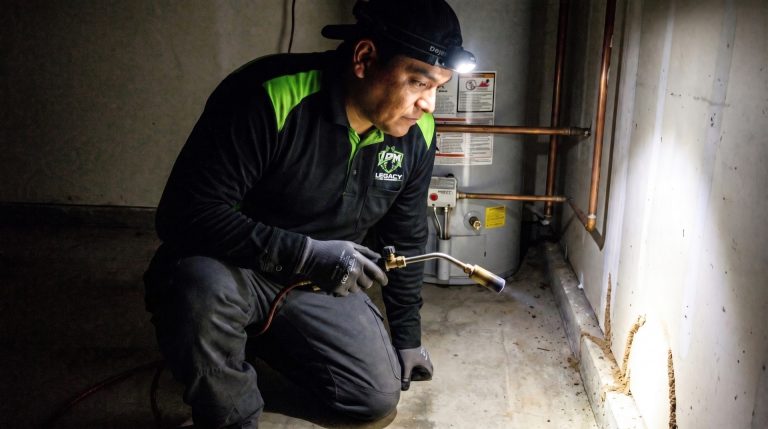
Protect your San Diego County property from termite damage with targeted treatment and clear next steps.
Learn More
The state WDO report on form 43M-41 for escrow, refinance and pre-listing, explained rather than just handed over.
Learn More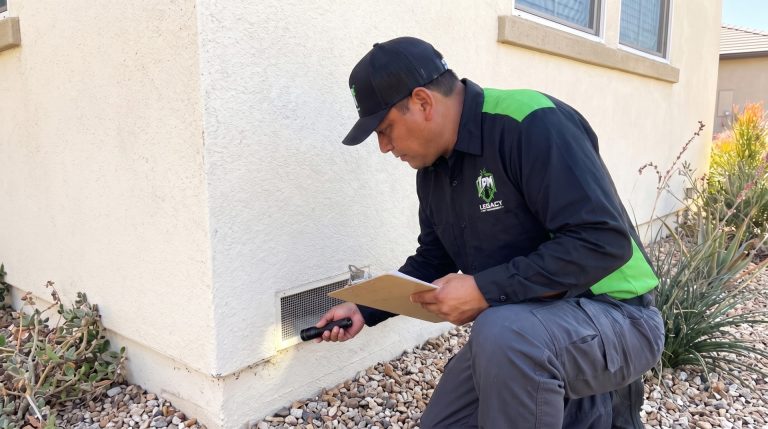
A documented inspection of what is present, where it is entering and what is sustaining it, for homes and businesses across San Diego County.
Learn More
We look at the problem before anyone talks about price. No charge and no obligation.
Learn More
Ongoing service for properties that genuinely need it, and a straight answer for the ones that do not.
Learn More
Open 24 hours a day, seven days a week, with the owner answering the phone. We will also tell you when tonight will not help.
Learn More
Get Started
Tell us what you are seeing and where it is happening. You will get an honest assessment of the problem, what it takes to solve it, and whether your property needs ongoing service or a single visit. Pest, wildlife and termite work across San Diego County.