
Eucalyptus Hills has roughly an acre and a half of land for every housing unit. That single number explains most of what makes pest work here different from Lakeside next door or Santee down the road.
The county identifies it as an equestrian community and documents significant agricultural use, and the Lakeside community plan encourages orchards and groves. There is effectively no commercial district. What that adds up to is a place where pest pressure moves from the landscape to the structure, rather than from building to building.
Call 619-277-4796 and tell us what is on the property.
Fruit and nut trees are common here and encouraged by the community plan. Roof rats readily eat avocados and citrus while the fruit is still on the tree, leaving a hollowed-out rind hanging from the branch, which is close to a signature. On a one- or two-acre parcel with mature trees, that is a year-round food supply sitting a short climb from the roof.
Fallen fruit left on the ground is the other half of it. Picking up and cutting branch contact with the structure does more than trapping, because the food source is what sizes the population.
On a quarter-acre lot the perimeter is short and the harborage is obvious. On an acre and a half it is neither. Woodpiles, equipment, stacked materials, sheds, workshops, detached garages and irrigation boxes are spread out, and any one of them can be where the problem starts.
Practically, that means a longer inspection and a treatment perimeter that actually reflects the property rather than a standard lap of the house. It also means exterior storage discipline matters more here than almost anywhere: what is stacked against a wall or left on the ground is usually the thing that needs to move.
The groves the area is named for produce persistent bark and leaf litter. We will be straight about this: we found no source tying eucalyptus specifically to any named pest species, and we are not going to invent one. What is documented is that leaf litter is harborage for Turkestan cockroaches and that dense vegetation shelters rats. Deep accumulated litter against a foundation is worth clearing on those general grounds, and it is a fuel-load question as well as a pest one.
The western black widow is the medically significant spider in California and it favors dark, dry, sheltered, undisturbed places. Sheds, woodpiles, meter boxes and stacked materials on acreage are exactly that. Bites are rare even where the spiders are common, and most occur when someone reaches into a stored pile without looking. Gloves and a look first prevent most of it.
Where there are horses, the pest picture follows the feed and the manure rather than the house: grain in sealed metal containers off the floor, spillage cleaned up, and manure removed regularly, since stable flies breed in fermenting wetted bedding and waste hay rather than in fresh manure.
Properties out here are generally on septic rather than a municipal sewer. That removes the connected sewer and storm drain network American cockroaches travel, so the peridomestic roach picture shifts outdoors to water meter boxes, irrigation boxes, woodpiles and leaf litter. Persistent small drain flies indoors are worth attention, since they breed in septic systems and in drain film, and clearing the breeding site is the fix rather than spraying the adults.
December to March. The wet months. Ant colonies relocate out of saturated ground into structures, and subterranean termites swarm on clear afternoons after a soaking rain.
Summer. Inland heat and a dry landscape concentrate rodent and ant activity onto the irrigated, maintained part of the property, which is your yard. In a dry surrounding landscape, your irrigation is the water.
Fruit season. Ripening and dropped fruit raises rodent pressure on properties with orchards, and it usually shows up as roof and attic activity rather than ground-level sightings.
Summer into fall. Drywood termite swarms during daylight hours.
Everything we do is available in Eucalyptus Hills, CA. It falls into three groups.
General Pest Control is the core program, working the exterior so the interior stays quiet. Within it sit Ant Control, Cockroach Control, Spider Control, Flea & Tick Treatment, Rodent Control, Bed Bug Treatment, Mosquito Control and Bee, Wasp & Hornet Control. For houses and condos see Residential Pest Control; for restaurants, offices and multi-unit buildings see Commercial Pest Control.
Wildlife Removal covers raccoons, opossums, skunks and birds. The work is exclusion led: a healthy adult can only be released where it was caught, so sealing the way in is the only thing that actually ends it. Injured or orphaned animals go to a licensed rehabilitator rather than being destroyed.
Termite Control begins with Termite Inspections to settle whether it is drywood or subterranean, and Termite Treatment follows from that answer. When the question is broader than termites, Pest Inspections cover the whole property.
Roof rats, most likely, especially if fruit is being hollowed out on the tree. Branch contact with the roof and fallen fruit on the ground are what turn an orchard into an infestation route.
Usually not, and we would rather say so. The useful perimeter on acreage follows the structures and the harborage, not a fixed distance around the house.
Typically outdoor roaches wandering in from meter or irrigation boxes and dying while looking for water. They do not breed indoors, and treating outside is what changes it.
Where it is deep against the foundation, yes, on both pest and fire grounds. We are not going to claim eucalyptus attracts a particular pest, because we did not find evidence for that.
Full coverage for this office is listed on our El Cajon location page. For central San Diego, see San Diego.
Call 619-277-4796 or send a request and tell us what you are seeing in Eucalyptus Hills. We will recommend a plan that fits the property.
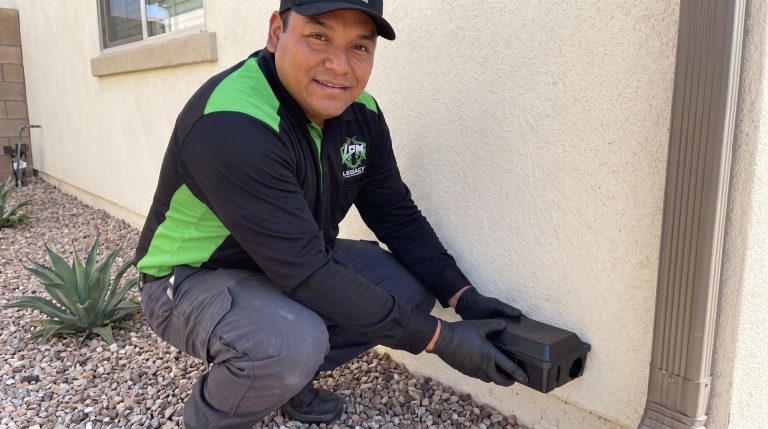
Recurring protection against ants, cockroaches, spiders, fleas, mites and the other common insects in San Diego County homes and businesses.
Learn More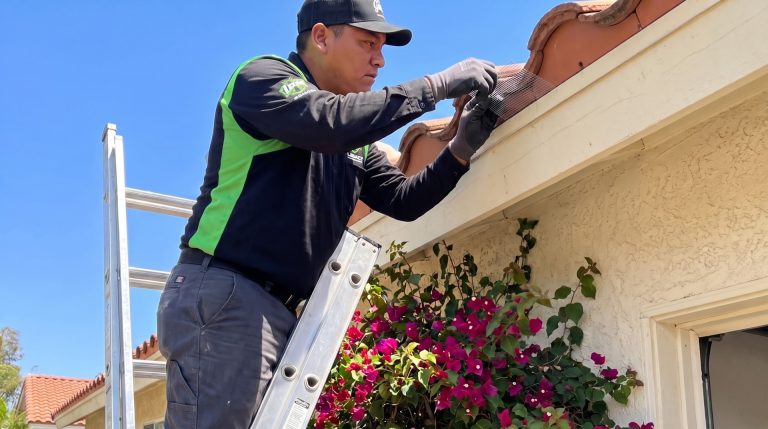
Raccoon, opossum, skunk and bird work across San Diego County. Exclusion first, and injured or orphaned animals to a licensed rehabilitator rather than destroyed.
Learn More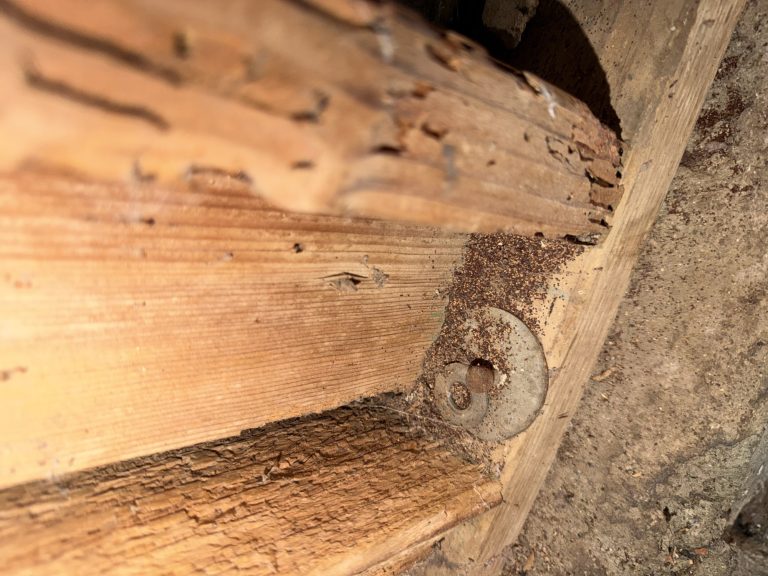
Inspection, identification and treatment for drywood and subterranean termites across San Diego County, in that order.
Learn More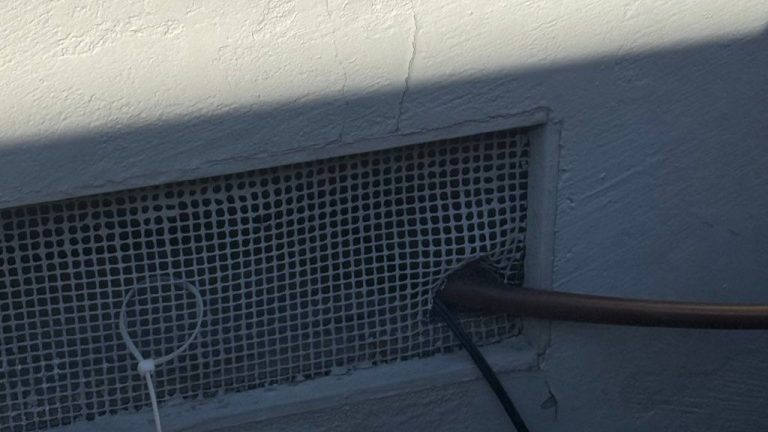
Closing how animals get in is the only step that ends the problem. Quarter-inch galvanised mesh, buried edges, and fasteners that hold.
Learn More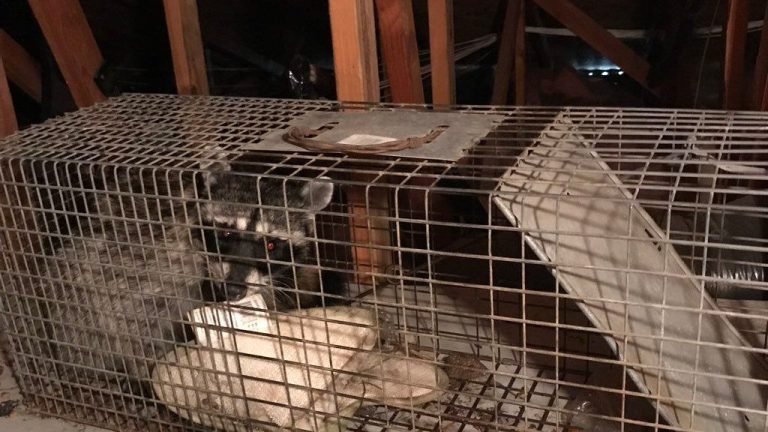
Raccoon removal and attic exclusion across San Diego County, with the latrine cleanup that most quotes leave out.
Learn More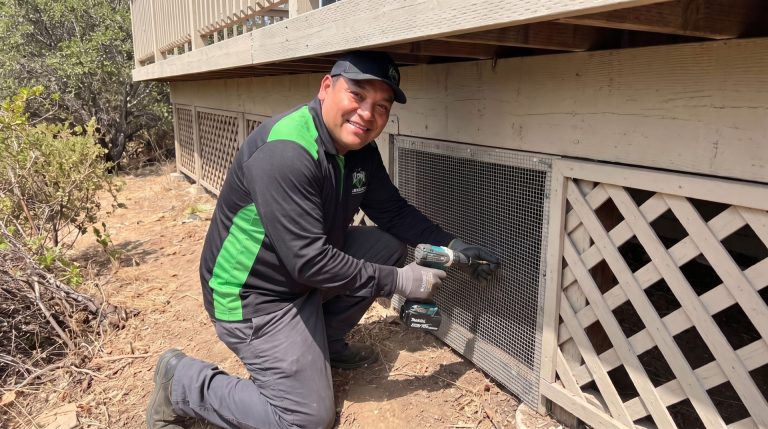
Opossum removal and under-structure exclusion for San Diego County homes, plus the flea problem that comes with them.
Learn More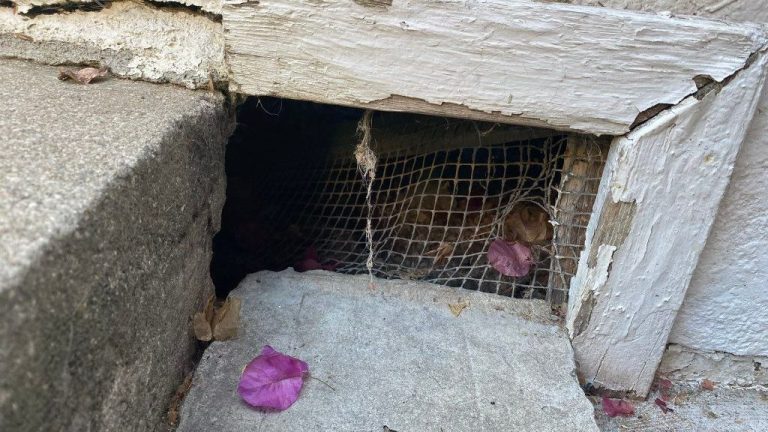
Skunk removal and den exclusion for San Diego County properties, handled so nothing gets sprayed under your house.
Learn More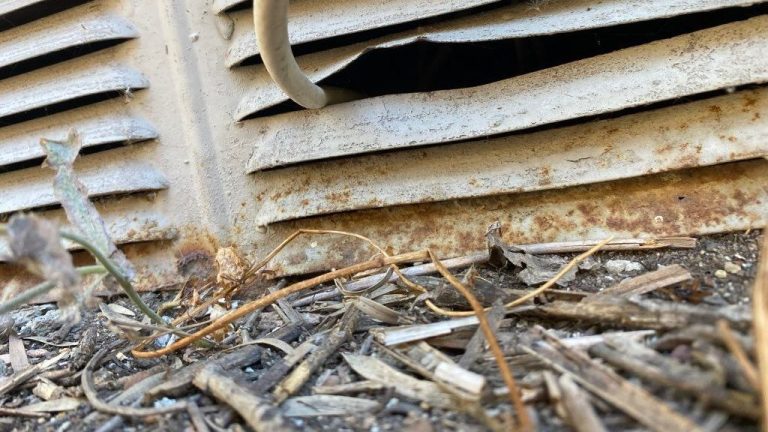
Bird exclusion, netting and solar array screening for San Diego County, worked to what federal law actually allows.
Learn More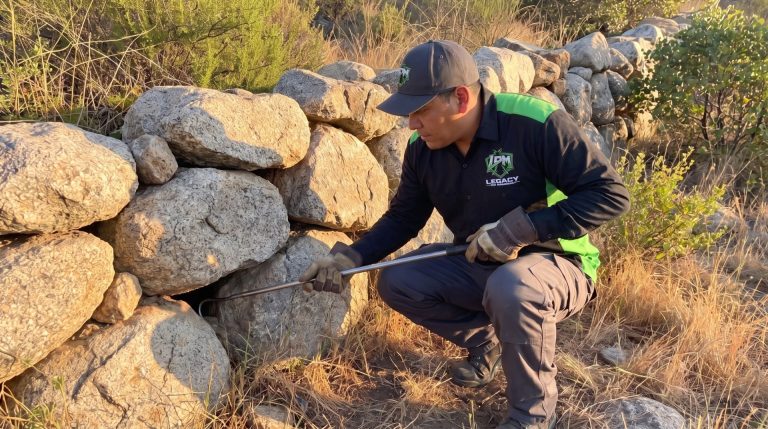
Identification first. Four rattlesnake species live in this county and one of them is illegal to kill.
Learn More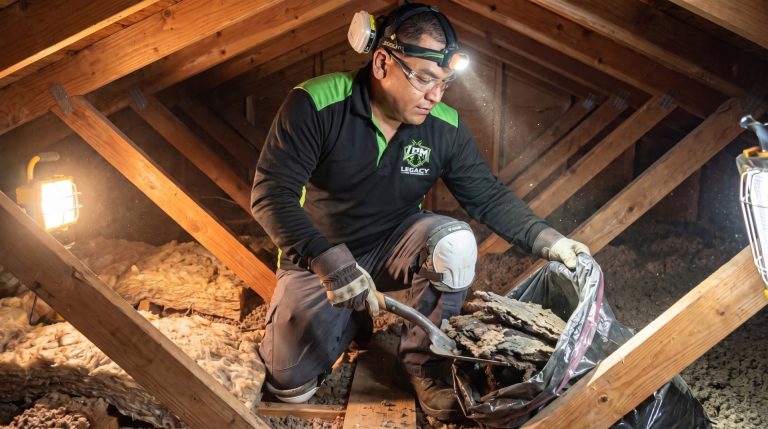
Cleanup and re-insulation after wildlife, done where it is genuinely needed and not sold where it is not.
Learn More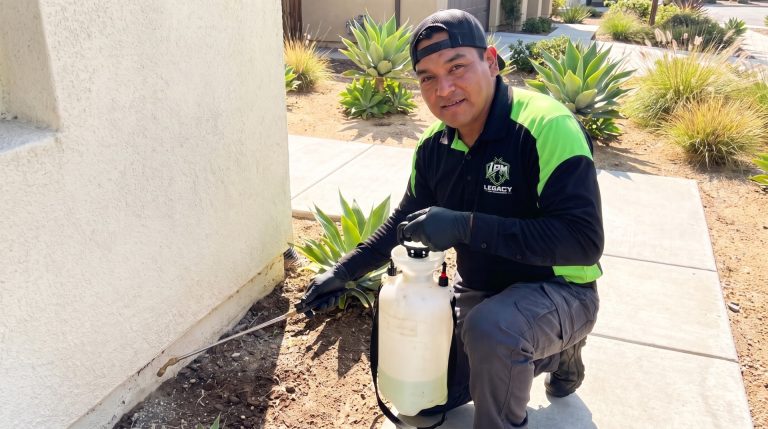
Protect your San Diego County home from pests with targeted residential treatments and prevention.
Learn More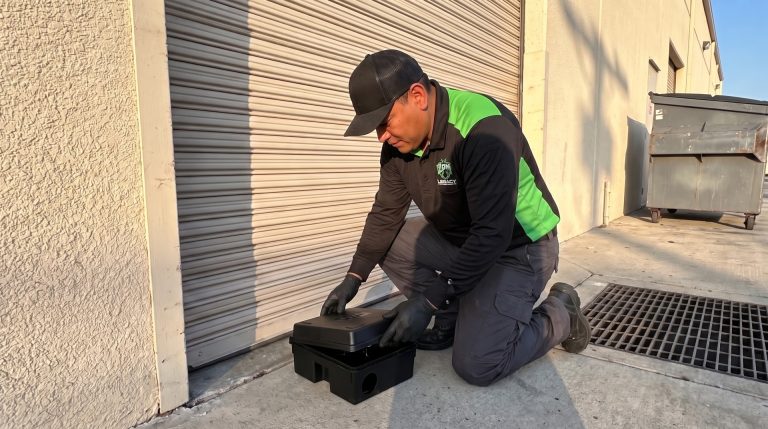
Protect your business from pests with discreet, reliable commercial pest control tailored to your property.
Learn More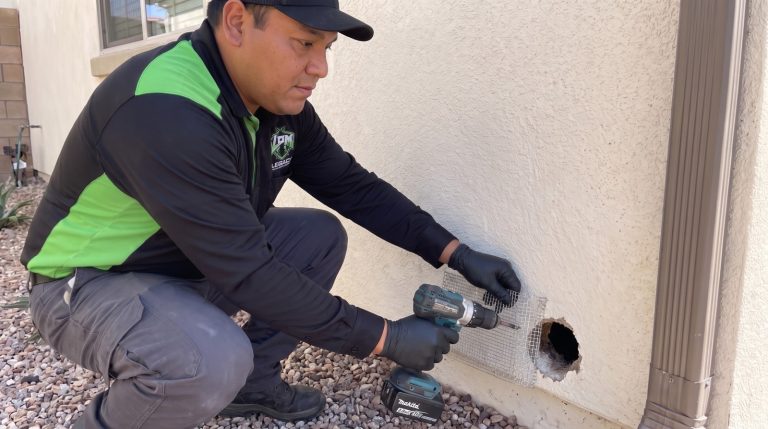
Fast rodent control for San Diego County homes and businesses with practical, lasting protection.
Learn More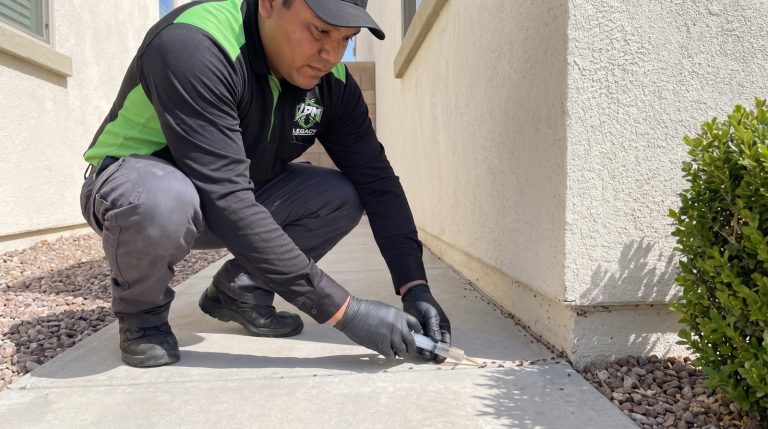
Stop ant trails fast with targeted ant control for homes and businesses across San Diego County.
Learn More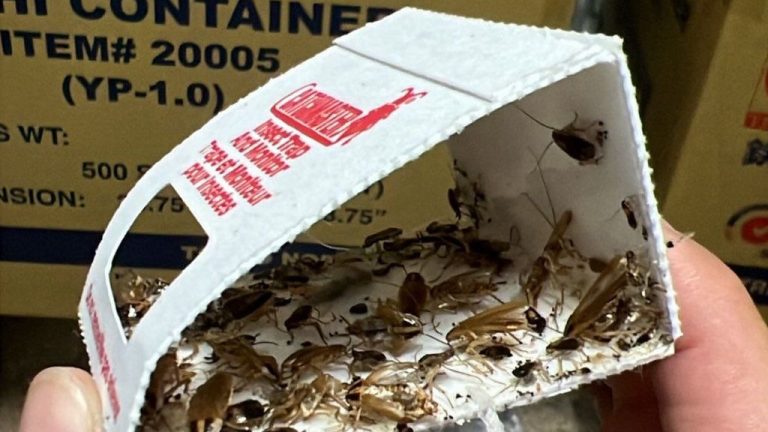
Stop roaches from spreading through your home with targeted, reliable local treatment.
Learn More
Black widows, brown widows, and the crickets and beetles that come in through the same gaps. We treat the band around the outside, not the whole yard.
Learn More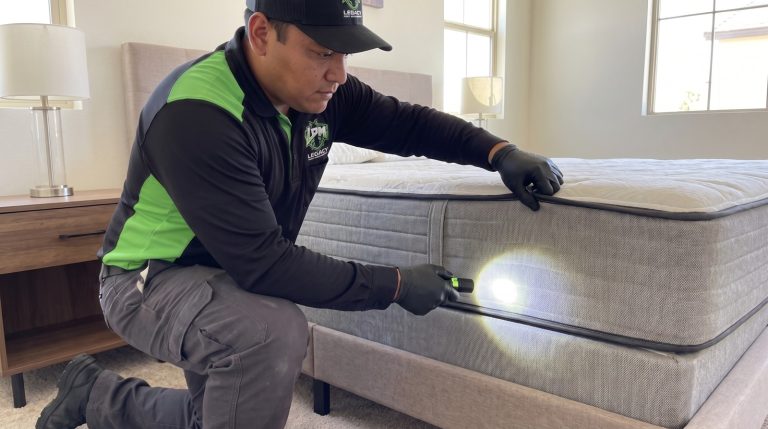
Stop bed bugs fast with careful treatment that helps protect your home and sleep.
Learn More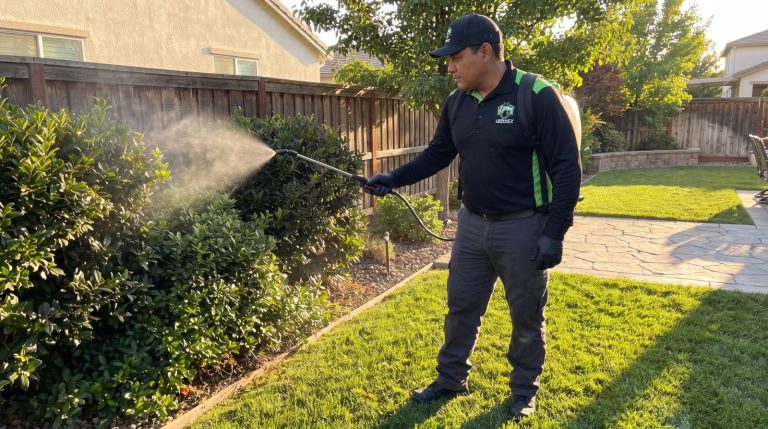
Reduce mosquito activity around your property with targeted treatments and practical prevention.
Learn More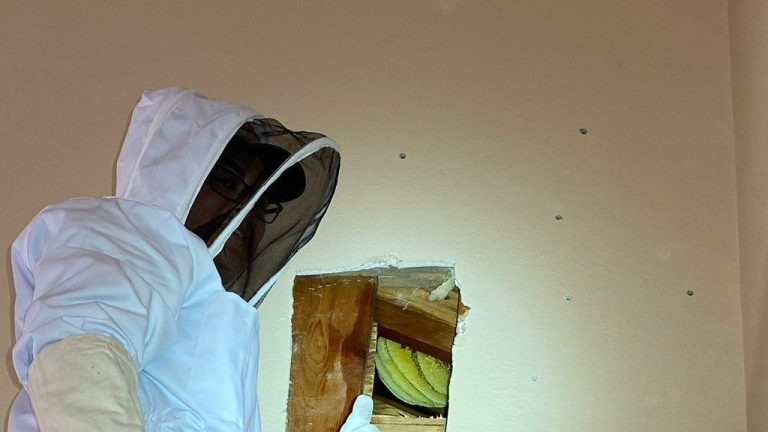
Bee, wasp, yellowjacket and hornet nests removed safely, with honey bee comb taken out rather than left in the wall.
Learn More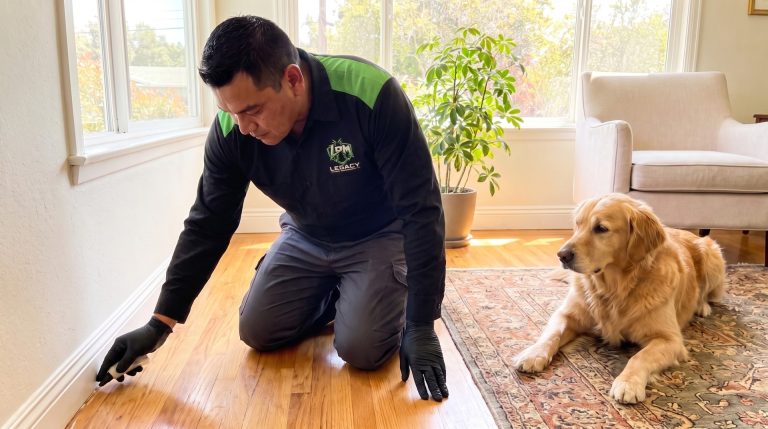
Fleas, ticks and mites are usually a symptom of something else. We find the source, treat the structure, and tell you which ticks a treatment cannot help with.
Learn More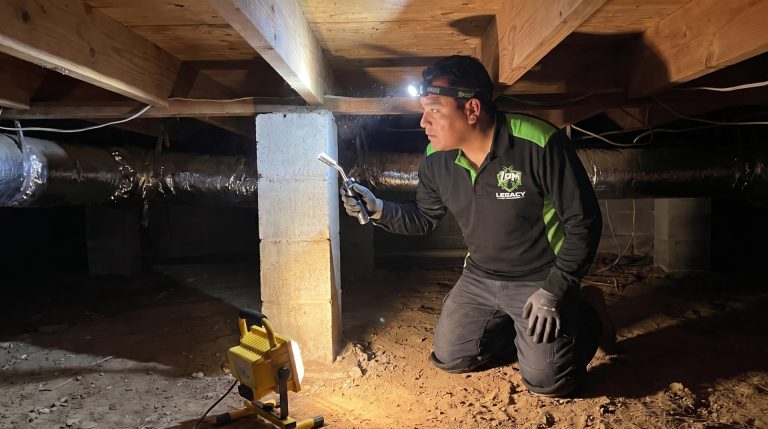
Subterranean termites, rodents, ants and moisture all start under the floor. We inspect, correct the conditions, and seal the entries.
Learn More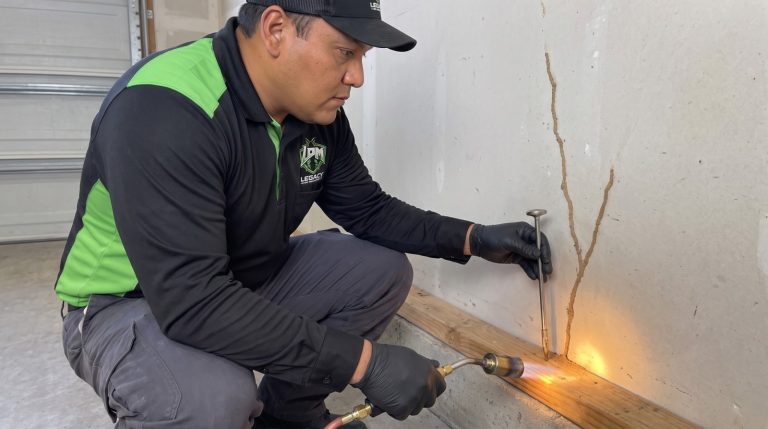
Find termite activity early with careful inspections for homes and businesses across San Diego County.
Learn More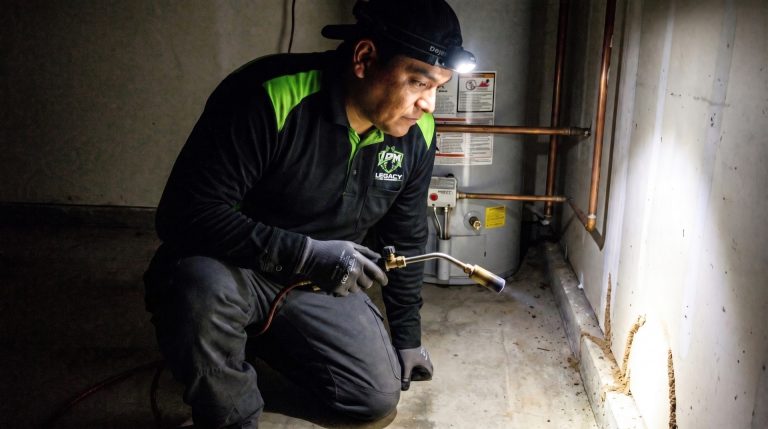
Protect your San Diego County property from termite damage with targeted treatment and clear next steps.
Learn More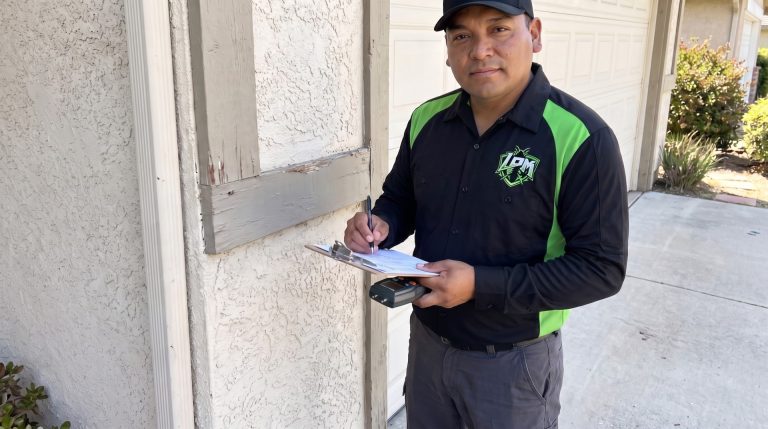
The state WDO report on form 43M-41 for escrow, refinance and pre-listing, explained rather than just handed over.
Learn More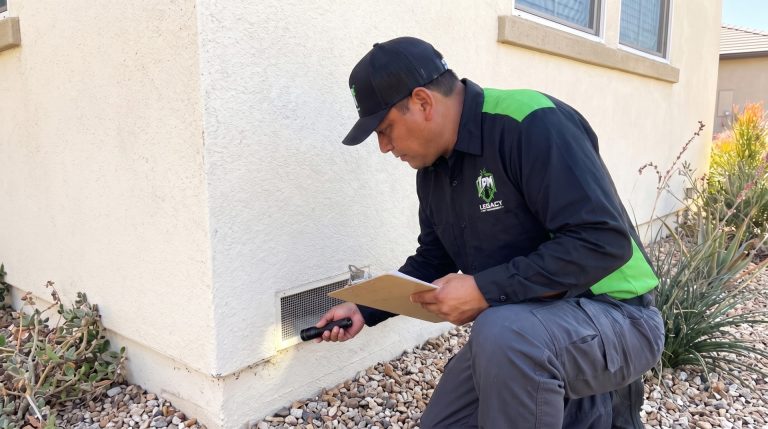
A documented inspection of what is present, where it is entering and what is sustaining it, for homes and businesses across San Diego County.
Learn More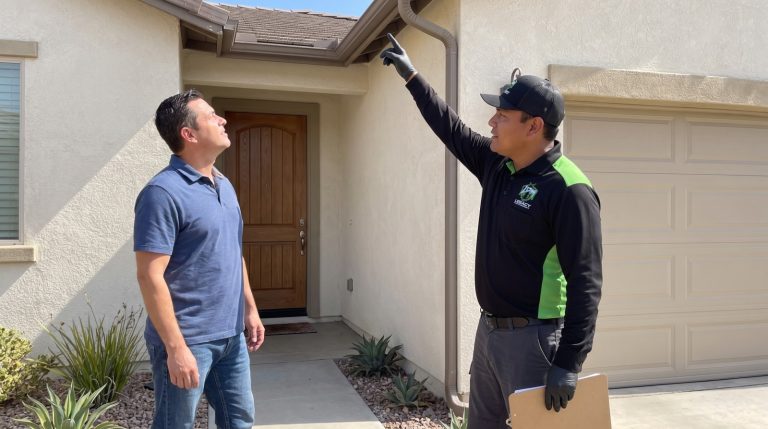
We look at the problem before anyone talks about price. No charge and no obligation.
Learn More
Ongoing service for properties that genuinely need it, and a straight answer for the ones that do not.
Learn More
Open 24 hours a day, seven days a week, with the owner answering the phone. We will also tell you when tonight will not help.
Learn More
Get Started
Tell us what you are seeing and where it is happening. You will get an honest assessment of the problem, what it takes to solve it, and whether your property needs ongoing service or a single visit. Pest, wildlife and termite work across San Diego County.