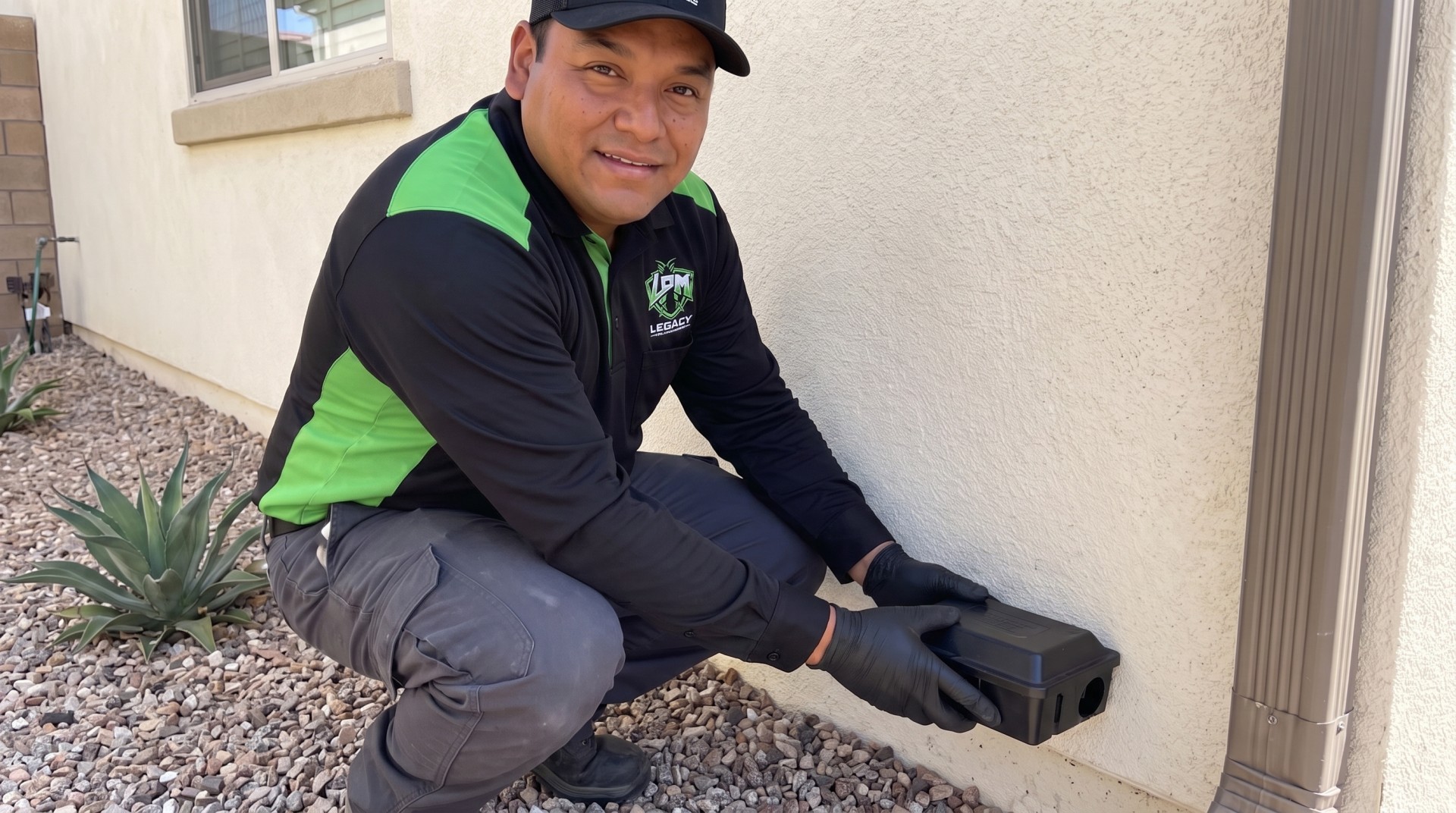
General pest control is the service most properties actually need: steady, recurring protection against the common insects rather than a one-off response to a single problem. Ants along a kitchen counter, spiders in the eaves, cockroaches around a drain, fleas after a pet or a rodent — these are the calls we take most, and they are usually the same handful of conditions repeating.
Call 619-277-4796 and tell us what you are seeing and where. We are open 24 hours a day, seven days a week.
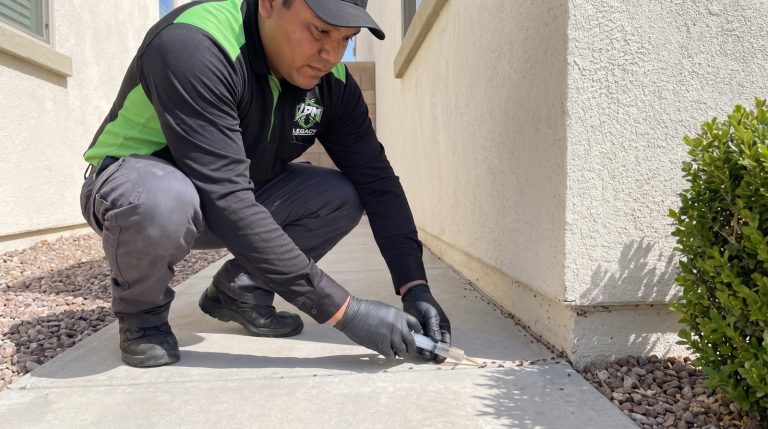
Stop ant trails fast with targeted ant control for homes and businesses across San Diego County.
Learn More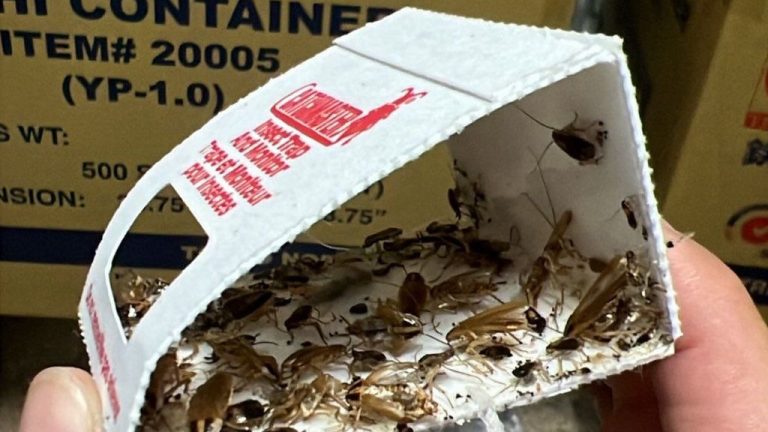
Stop roaches from spreading through your home with targeted, reliable local treatment.
Learn More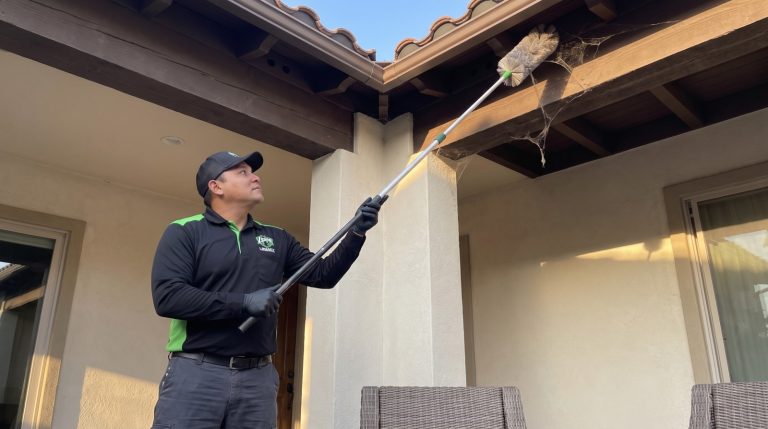
Black widows, brown widows, and the crickets and beetles that come in through the same gaps. We treat the band around the outside, not the whole yard.
Learn More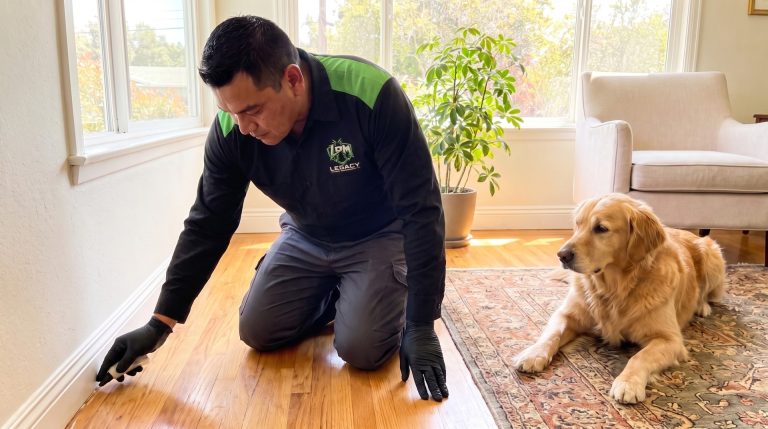
Fleas, ticks and mites are usually a symptom of something else. We find the source, treat the structure, and tell you which ticks a treatment cannot help with.
Learn More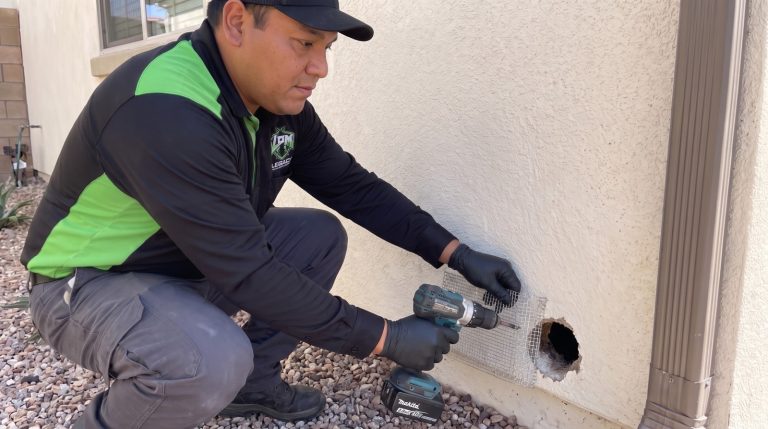
Fast rodent control for San Diego County homes and businesses with practical, lasting protection.
Learn More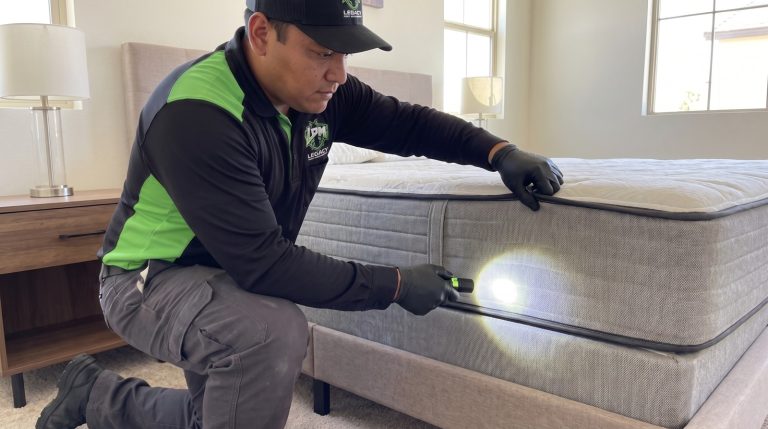
Stop bed bugs fast with careful treatment that helps protect your home and sleep.
Learn More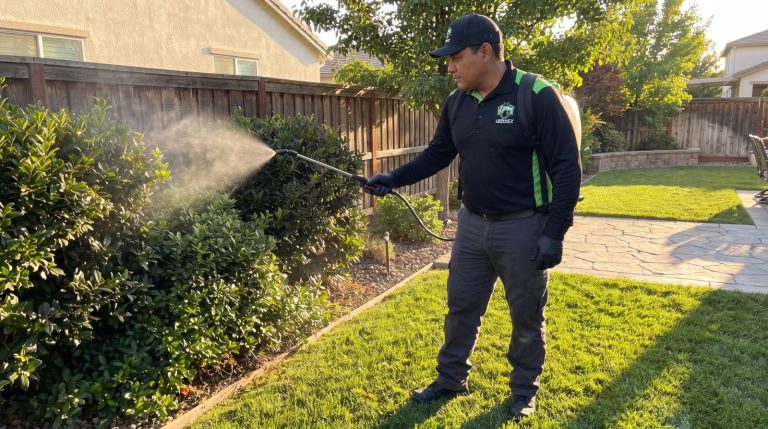
Reduce mosquito activity around your property with targeted treatments and practical prevention.
Learn More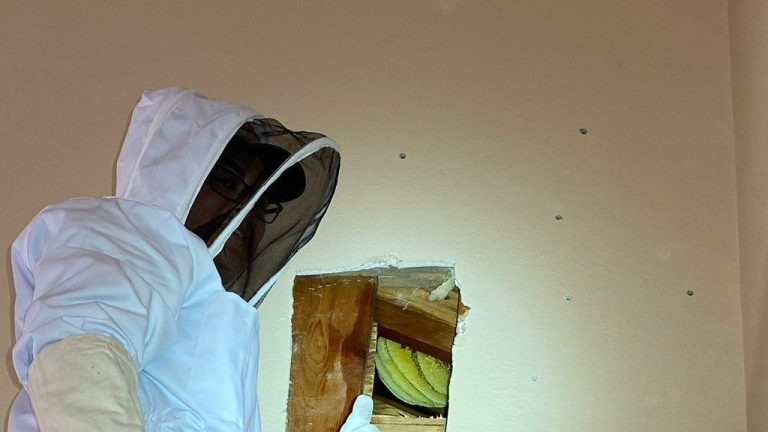
Bee, wasp, yellowjacket and hornet nests removed safely, with honey bee comb taken out rather than left in the wall.
Learn More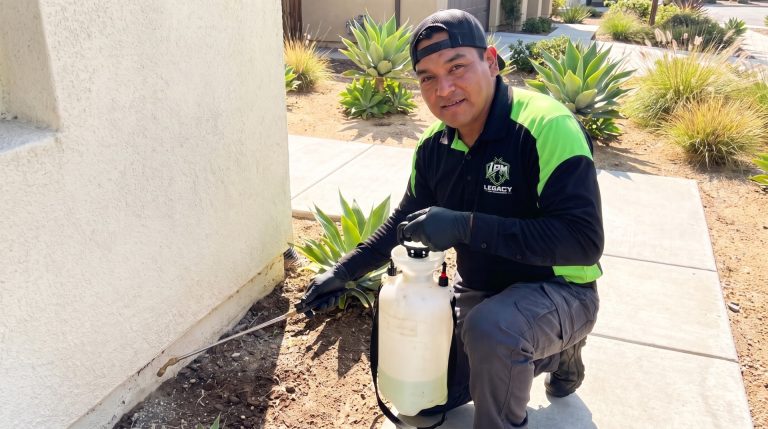
Protect your San Diego County home from pests with targeted residential treatments and prevention.
Learn More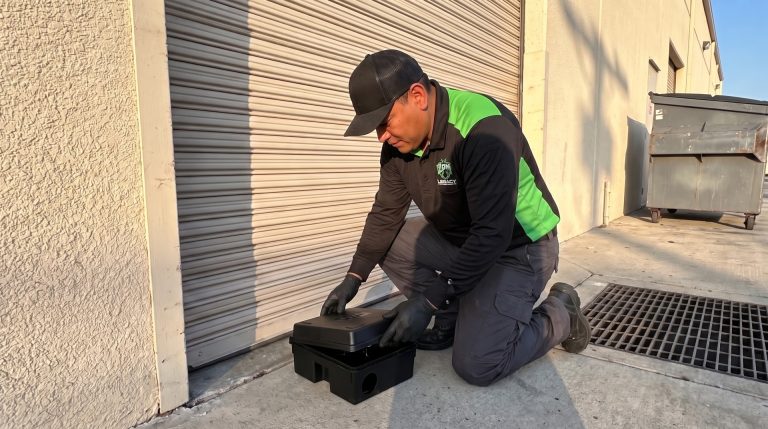
Protect your business from pests with discreet, reliable commercial pest control tailored to your property.
Learn More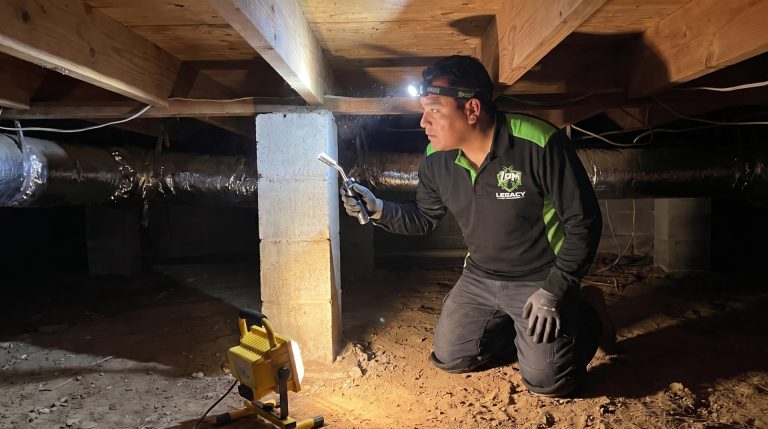
Subterranean termites, rodents, ants and moisture all start under the floor. We inspect, correct the conditions, and seal the entries.
Learn More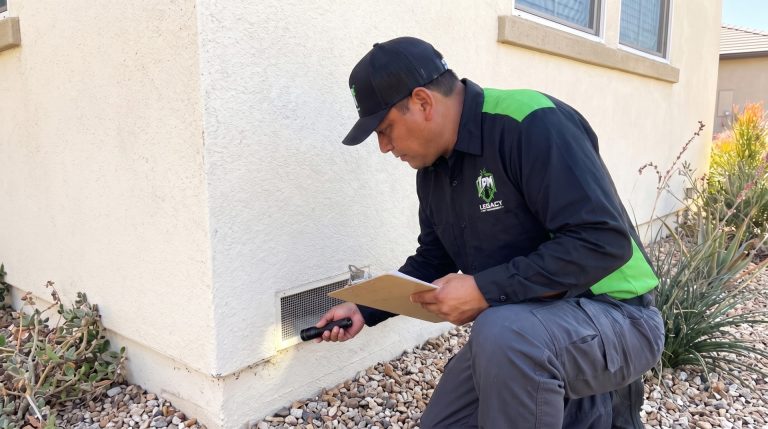
A documented inspection of what is present, where it is entering and what is sustaining it, for homes and businesses across San Diego County.
Learn More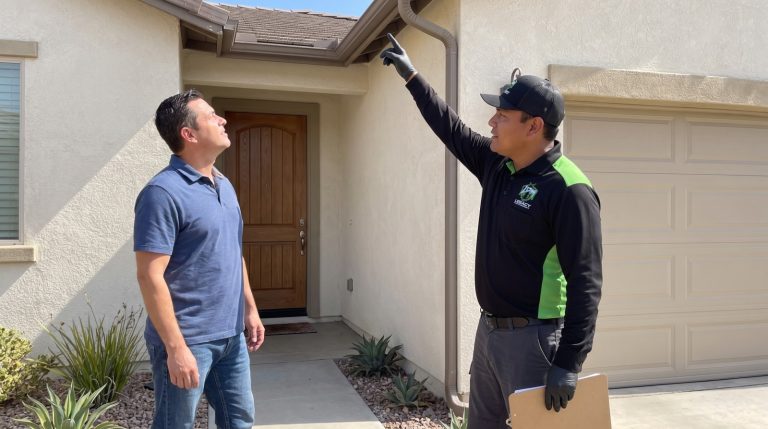
We look at the problem before anyone talks about price. No charge and no obligation.
Learn More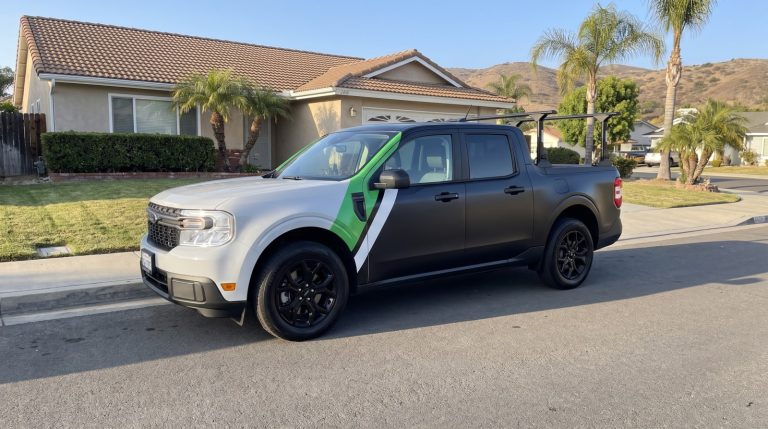
Ongoing service for properties that genuinely need it, and a straight answer for the ones that do not.
Learn More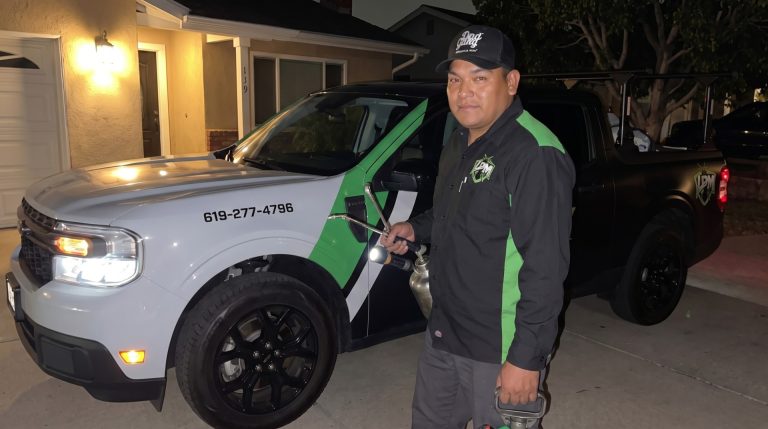
Open 24 hours a day, seven days a week, with the owner answering the phone. We will also tell you when tonight will not help.
Learn MoreEach of these has its own page, because each is treated differently:
Most general pest problems here are driven by conditions outside the building rather than by anything inside it. Argentine ants, the dominant nuisance ant in coastal California, form supercolonies with many queens spread across many nests. A spray kills the workers on the trail without touching the queens, so the trail rebuilds. Bait carried back into the nest is what reduces the population, and pairing the two works better than either alone.
The same logic applies more broadly. Perimeter conditions, moisture, landscaping and entry points set the pressure. A single treatment addresses what is present that day; a program addresses what keeps arriving.
That is a real reason for a program. It is worth being just as clear about where it does not apply.
Rodents and wildlife are structural problems. Something is getting in somewhere, and once that opening is properly sealed there is nothing left to maintain. A monthly visit to re-bait stations around a house that has already been closed up is a subscription, not a service, and a lot of this industry is built on exactly that.
So no property goes on a plan here by default. We find what is driving the problem, fix what can be fixed, and recommend ongoing service only where the pressure genuinely keeps coming back — which on a canyon-edge lot with Argentine ants it usually does, and on a sealed attic it does not.
San Diego gets roughly ten inches of rain a year and about three quarters of it falls between December and March. June through August is effectively dry. Almost every general pest pattern follows from that split.
December to March. Rain saturates shallow ant nests and pushes whole colonies into wall voids and slab edges. Winter trails are often heavier and harder to clear than summer ones, because you are dealing with a relocated nest rather than a foraging line.
August and September. The opposite. With the ground dry, ants come indoors looking for water and concentrate at sinks, tubs, dishwashers and toilets rather than at food.
Spiders track whatever insects are available, so they tend to follow the same curve a few weeks behind.
A single-family home is usually a perimeter-and-entry job. A rental or a shared-wall building is not: cockroaches move between units through shared kitchen and bathroom plumbing and the vertical chases between floors, so treating one unit while the neighboring unit is the source rarely holds. A commercial kitchen is different again, and is mostly about the back of house, the drains and the enclosure.
We will tell you which of those you have, and if a single-unit treatment is unlikely to work we will say so rather than sell it to you.
Most of the value in a general pest program is outside the building, because that is where the pressure comes from. A visit focuses on four things.
The perimeter and entry points. The foundation line, weep screeds, expansion joints, utility penetrations, door thresholds, garage seals and window frames. These are where ants and most crawling insects actually get in, and they are consistent enough that we know where to look on a given era of construction.
Moisture. Irrigation running against the foundation, leaking hose bibs, air conditioning condensate lines, poor drainage and blocked downspouts. In a dry landscape the water on your property is a large part of why insects are on your property.
Harborage. Woodpiles and stored materials against the wall, dense ground cover, leaf litter, and anything that has sat undisturbed long enough to become shelter. Meter boxes and irrigation valve boxes matter more than people expect, because several outdoor species live in them.
Vegetation contact. Branches touching the roof, shrubs pressed against walls, vines climbing to the eave. These are bridges, and cutting them is often more effective than anything we apply.
We would rather scope this honestly than sell a program to everyone.
One visit can be reasonable for a single, contained problem with an obvious cause: a wasp nest, a one-off intrusion after construction work next door, or a specific insect in a specific room with no sign of a wider population.
A program makes sense when the driver is a condition rather than an event. Argentine ants on a property backing onto open space, a building with recurring seasonal pressure, a rental with turnover, or anywhere the surrounding landscape keeps resupplying what we remove. In those cases a single treatment addresses what is present that day and not what arrives next month.
If your situation looks like the first, we will say so.
Product selection and placement are part of the plan rather than an afterthought. Baits in enclosed stations, treatment placed in cracks and voids rather than broadcast across surfaces, and exterior-focused work all reduce exposure inside the home.
Tell us at booking if there are pets, young children, someone with a respiratory condition, or a fish tank or beehive on the property. If you would prefer exterior-only treatment, that is a legitimate scope and we will work to it and tell you what it will and will not achieve.
Also part of the pest program: Bed Bug Treatment, Mosquito Control and Bee, Wasp & Hornet Control. Each is a distinct job with its own method, quoted separately from the recurring program.
Expected against a supercolony. The spray removes the workers you can see and leaves the queens untouched, so the trail rebuilds. Bait that gets carried into the nest is what changes the outcome.
Not necessarily, but the two peaks are winter rain and late-summer dryness, and they have different causes. If you only ever see one of them, a targeted seasonal approach may be enough. We would rather scope it to what you actually get.
Usually outdoor species wandering in from meter boxes, irrigation boxes or leaf litter and dying while looking for water. They do not breed indoors, and the treatment belongs outside.
Product choice and placement are part of the plan, and we will talk through what is being used and where before anything is applied. If you have specific concerns, tell us when you call.
We run general pest control from both offices. See El Cajon or San Diego for the communities each one covers, or browse the full list of service areas. You can also send us a request, or read more about Legacy Pest Management.
Call 619-277-4796 or send a request and tell us what you are dealing with. We will recommend a plan that fits the property rather than a default package.
Get Started
Tell us what you are seeing and where it is happening. You will get an honest assessment of the problem, what it takes to solve it, and whether your property needs ongoing service or a single visit. Pest, wildlife and termite work across San Diego County.