
The county describes Alpine as largely surrounded by Cleveland National Forest, and that is the fact to start with. Of the communities we serve, this one has the most continuous wildland boundary. The planning area runs to 108 square miles, from drainageways around 1,500 feet up to Viejas and El Cajon Mountains at over 4,100 feet, with the community itself sitting near 1,834 feet.
It is also wetter and more extreme than the coast: about 16 inches of rain a year against roughly 10 down in the city, summer highs that occasionally pass 105 degrees, and winter lows that drop below freezing.
Call 619-277-4796 and tell us where on the mountain you are.
The central area is served by Padre Dam water, but outside those service areas the county states plainly that residents rely on individual wells and septic systems. Even inside the sanitation district, a significant portion of land is not currently being served.
That changes the picture. Without a connected sewer network, American cockroaches lose the route they normally travel, and the peridomestic roach problem moves outdoors to water meter boxes, irrigation boxes, woodpiles and leaf litter. Recurring small drain flies indoors matter more here, because they breed in septic systems as well as drain film, and a persistent population is a reasonable prompt to have the system looked at.
Well houses and pump houses are their own item. They are small, sheltered, rarely entered and often left slightly open, which makes them reliable rodent harborage.
Density here runs from a village center out to rural lands at a maximum of one dwelling per twenty acres. On parcels like that, the chaparral does not stop at a property line, it simply continues.
Roof rats work out of that habitat into rooflines. But on true acreage the rodent list is longer than in town, and it includes ground squirrels and pocket gophers. Those two are frequently treated as the same animal and they are not. Ground squirrels retreat to a burrow when startled and are best addressed by burrow treatment in late winter and spring when soil moisture holds, or by trapping through summer and fall. Pocket gophers throw crescent-shaped mounds with the plug off to one side, pull plants under, and chew through drip irrigation and flexible water line.
Worth knowing what does not work on gophers, because a lot of it is sold: UC guidance lists owl boxes, repellent plantings, vibrating stakes, ultrasonic devices and smoke or gas cartridges as ineffective for them. Trapping in the main tunnel, or buried hardware cloth for protection, is what actually does the job.
Alpine sits in the footprint of the 2003 Cedar Fire, which CAL FIRE records at 273,246 acres and 2,820 structures, and the community maintains a Community Wildfire Protection Plan and a Fire Safe Council.
Fuel-reduction clearing displaces the animals living in the brush, and in our experience structural pressure rises for a few weeks afterward. Research on San Diego chaparral after the 2003 fires did find that deer mice increase in burned areas while cover-dependent species decline, but that work measured wildland populations, not animals entering buildings. The link to your house is our field observation, not a published finding, and we would rather say so.
Deer mice carry hantavirus in San Diego County and they live in exactly this setting, rural areas and the mountains, while common house mice do not carry it. Actual illness is rare here, with four cases among county residents since 2000 and three of those acquired elsewhere.
The part that matters practically is the cleanup method. The county is explicit: do not sweep or vacuum droppings, urine or nesting material. Spray with a ten-to-one water and bleach solution, leave it fifteen to twenty minutes, then clean up wet. That applies to sheds, barns, well houses and any outbuilding that has been closed up.
Africanized honey bees were first detected in California in 1994 and are now the predominant feral bee population in the region. They defend colonies in greater numbers than European honey bees and will pursue further.
A swarm hanging temporarily on a branch usually moves on by itself. A colony established inside a wall or an outbuilding is a different matter and should not be tackled without experience and equipment. One detail most people do not know: if the bees are killed and the comb is left in place, the honey ferments and leaks through walls and ceilings, and the damage that follows is worse than the bees were. Removal has to include the comb.
Winter. More rain than the coast gets, and cold enough at night to push rodents toward heated structures. Ant colonies relocate out of saturated ground.
Spring, February through May. The window when ground squirrel burrow treatment is most effective, because soil moisture holds.
Summer. Heat above 100 degrees dries the landscape and concentrates rodent and ant activity onto irrigated ground and water sources. Trapping and baiting for ground squirrels work best from June through October.
Summer into fall. Drywood termite swarms during daylight hours.
Everything we do is available in Alpine, CA. It falls into three groups.
General Pest Control is the core program, working the exterior so the interior stays quiet. Within it sit Ant Control, Cockroach Control, Spider Control, Flea & Tick Treatment, Rodent Control, Bed Bug Treatment, Mosquito Control and Bee, Wasp & Hornet Control. For houses and condos see Residential Pest Control; for restaurants, offices and multi-unit buildings see Commercial Pest Control.
Wildlife Removal covers raccoons, opossums, skunks and birds. The work is exclusion led: a healthy adult can only be released where it was caught, so sealing the way in is the only thing that actually ends it. Injured or orphaned animals go to a licensed rehabilitator rather than being destroyed.
Termite Control begins with Termite Inspections to settle whether it is drywood or subterranean, and Termite Treatment follows from that answer. When the question is broader than termites, Pest Inspections cover the whole property.
Yes. Without a sewer network the roach picture moves outdoors, and drain flies indoors become more meaningful, since they can breed in the septic system itself.
Crescent or horseshoe-shaped mounds with the plug off to one side are gophers. An open burrow entrance without a mound, and an animal that dives underground rather than climbing, is a ground squirrel. They are controlled differently, so the identification matters.
Do not seal the entrance and do not attempt it yourself. An established colony needs the comb removed as well as the bees, or fermenting honey will come through the wall later.
That is the pattern. Clearing removes their cover and the nearest shelter is your building. Seal the structure before the clearing rather than after.
Full coverage for this office is listed on our El Cajon location page. For central San Diego, see San Diego.
Call 619-277-4796 or send a request and tell us what you are seeing in Alpine. We will recommend a plan that fits the property.
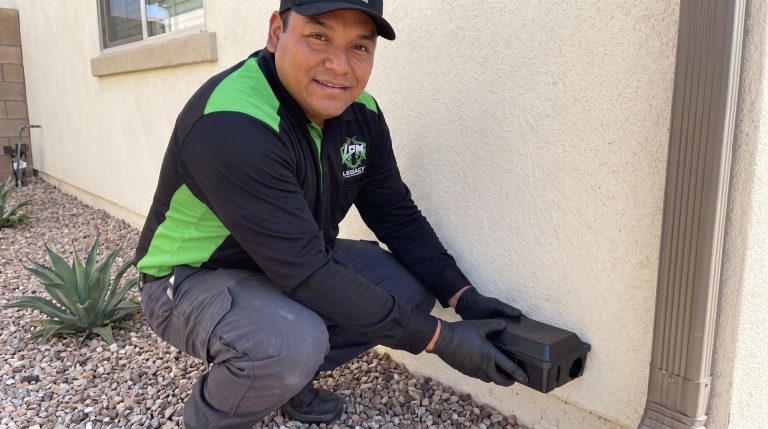
Recurring protection against ants, cockroaches, spiders, fleas, mites and the other common insects in San Diego County homes and businesses.
Learn More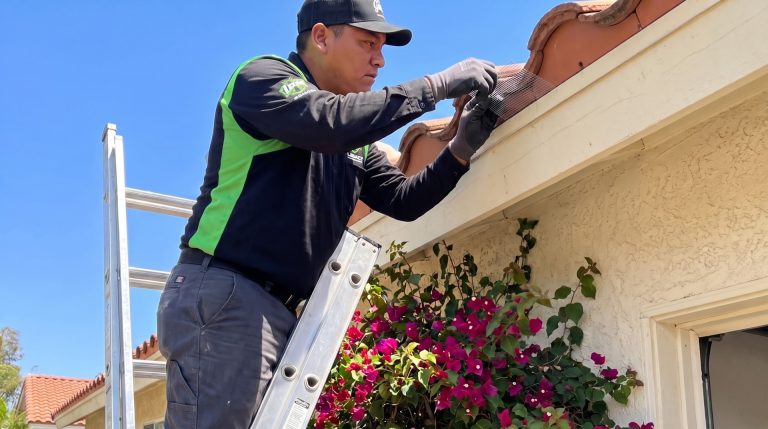
Raccoon, opossum, skunk and bird work across San Diego County. Exclusion first, and injured or orphaned animals to a licensed rehabilitator rather than destroyed.
Learn More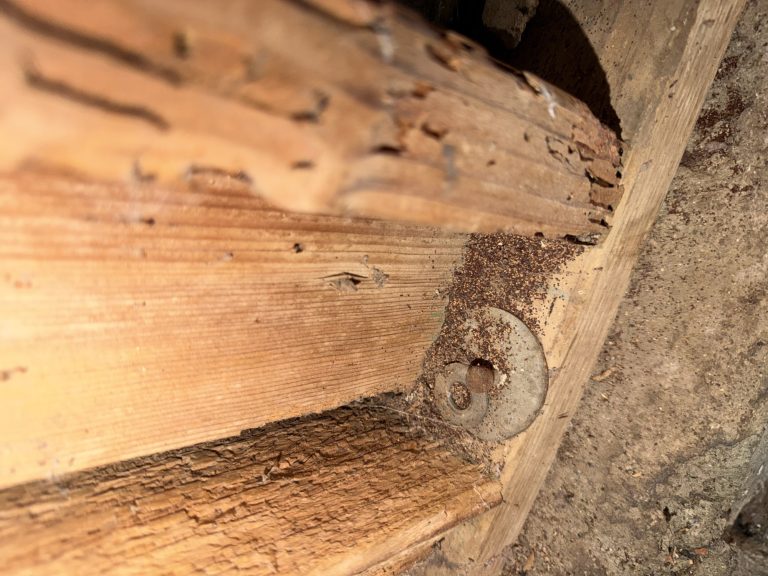
Inspection, identification and treatment for drywood and subterranean termites across San Diego County, in that order.
Learn More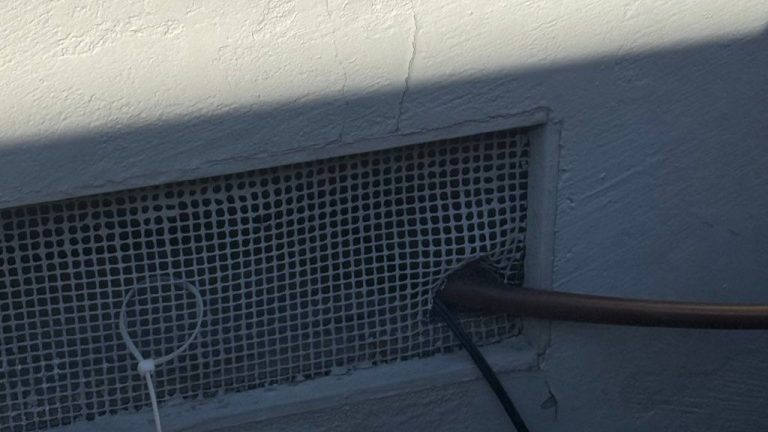
Closing how animals get in is the only step that ends the problem. Quarter-inch galvanised mesh, buried edges, and fasteners that hold.
Learn More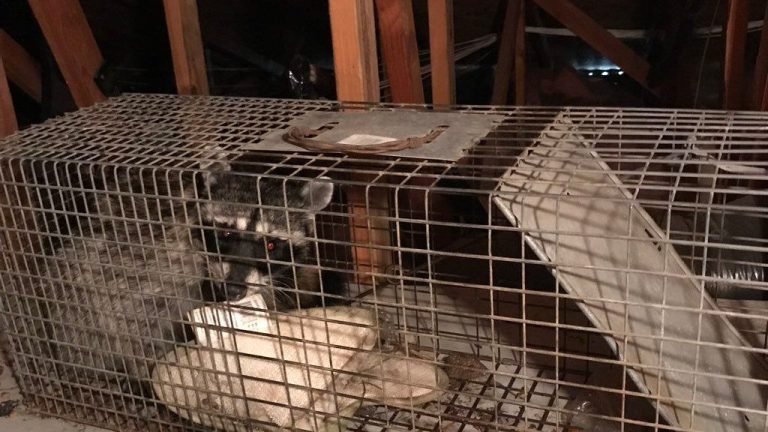
Raccoon removal and attic exclusion across San Diego County, with the latrine cleanup that most quotes leave out.
Learn More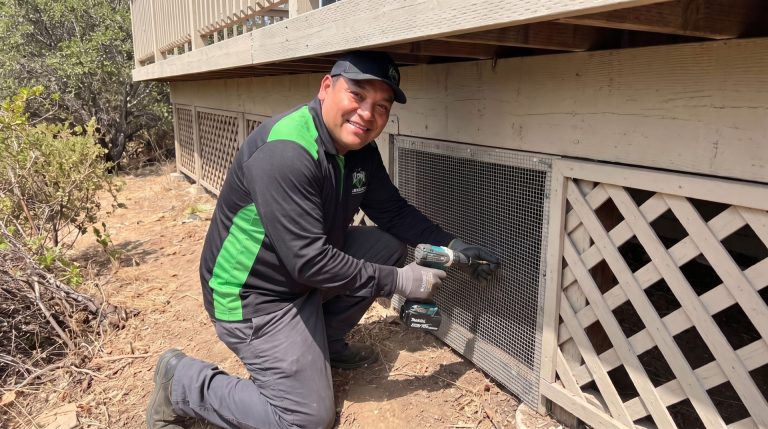
Opossum removal and under-structure exclusion for San Diego County homes, plus the flea problem that comes with them.
Learn More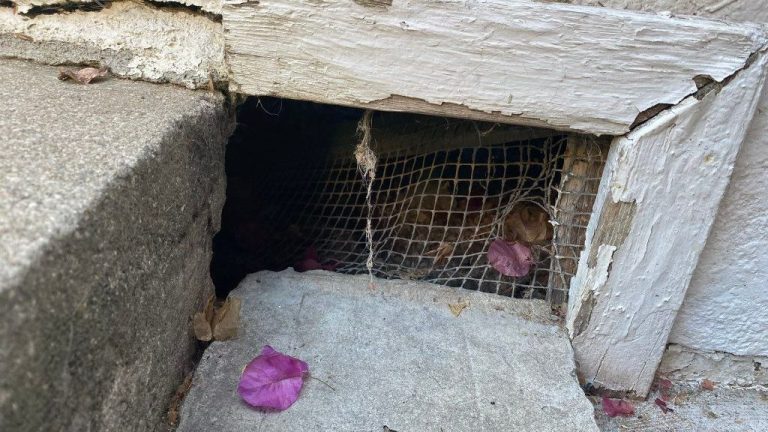
Skunk removal and den exclusion for San Diego County properties, handled so nothing gets sprayed under your house.
Learn More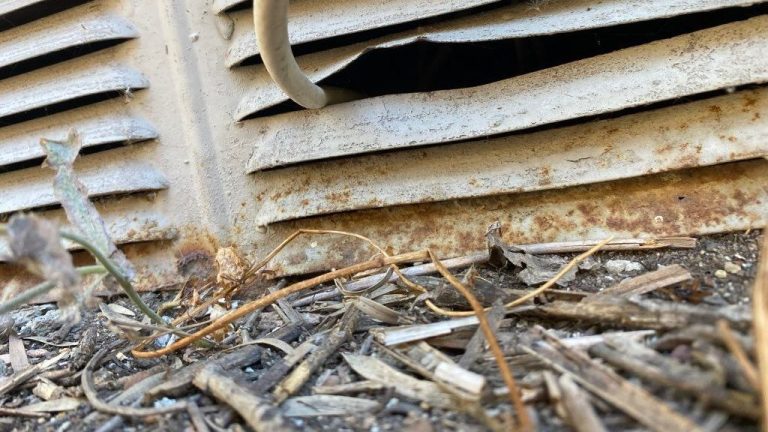
Bird exclusion, netting and solar array screening for San Diego County, worked to what federal law actually allows.
Learn More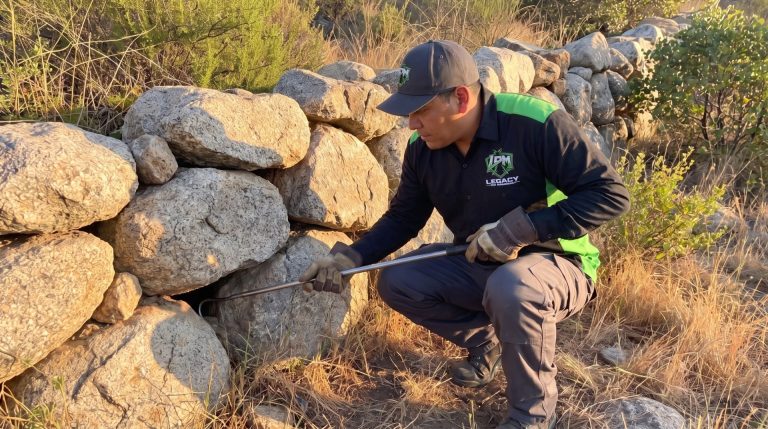
Identification first. Four rattlesnake species live in this county and one of them is illegal to kill.
Learn More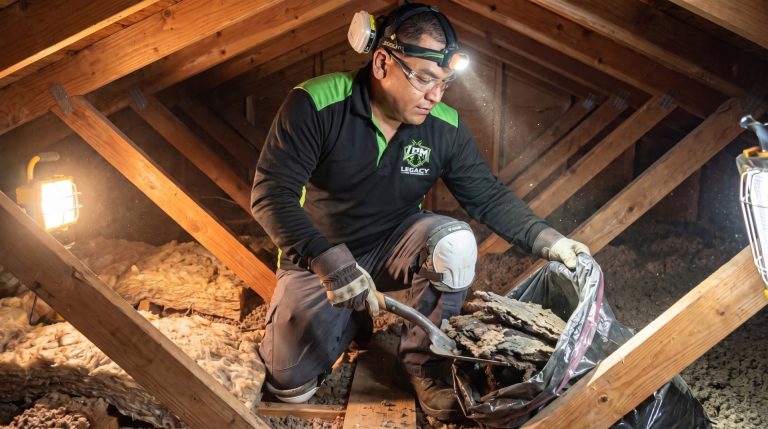
Cleanup and re-insulation after wildlife, done where it is genuinely needed and not sold where it is not.
Learn More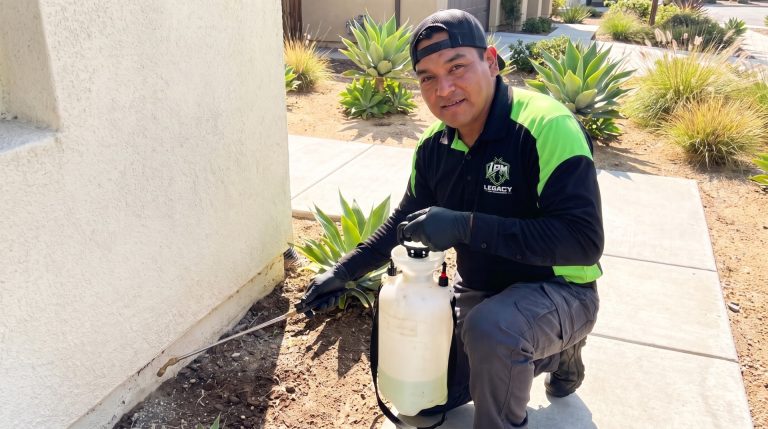
Protect your San Diego County home from pests with targeted residential treatments and prevention.
Learn More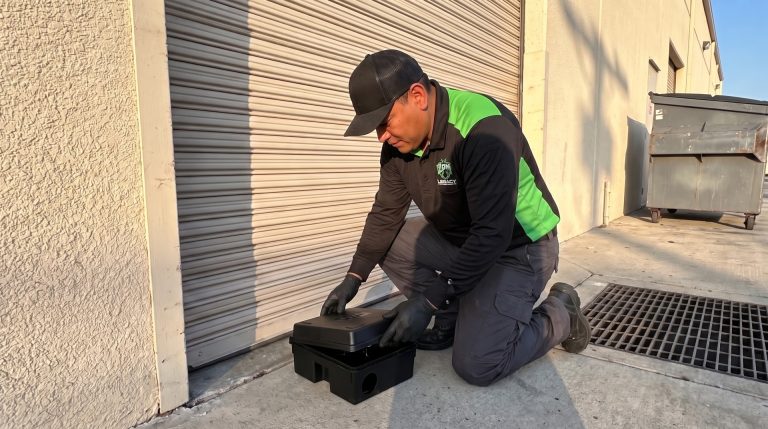
Protect your business from pests with discreet, reliable commercial pest control tailored to your property.
Learn More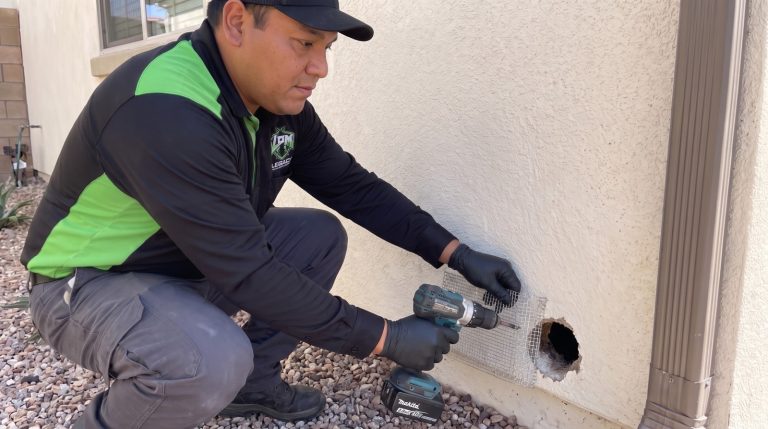
Fast rodent control for San Diego County homes and businesses with practical, lasting protection.
Learn More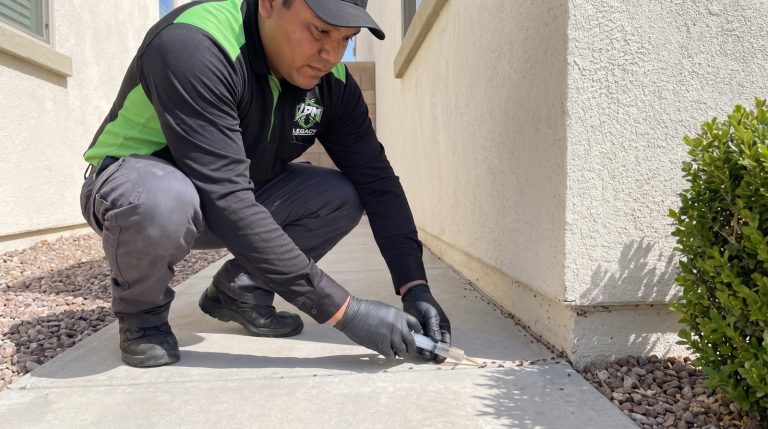
Stop ant trails fast with targeted ant control for homes and businesses across San Diego County.
Learn More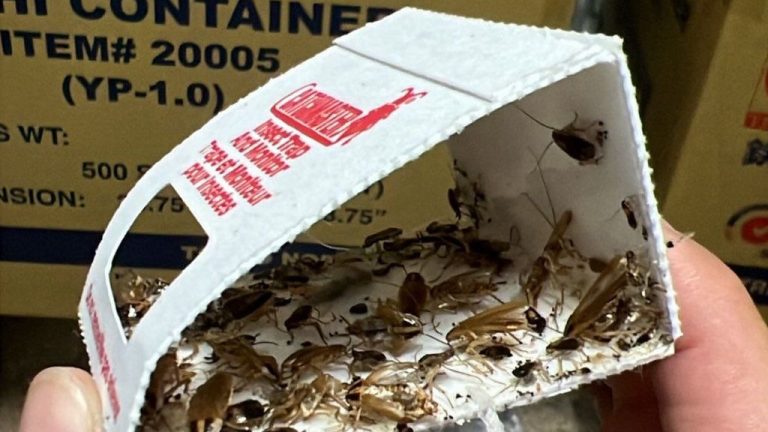
Stop roaches from spreading through your home with targeted, reliable local treatment.
Learn More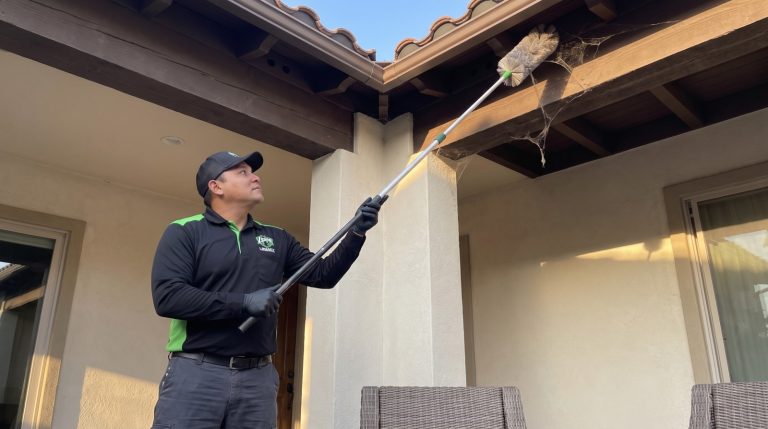
Black widows, brown widows, and the crickets and beetles that come in through the same gaps. We treat the band around the outside, not the whole yard.
Learn More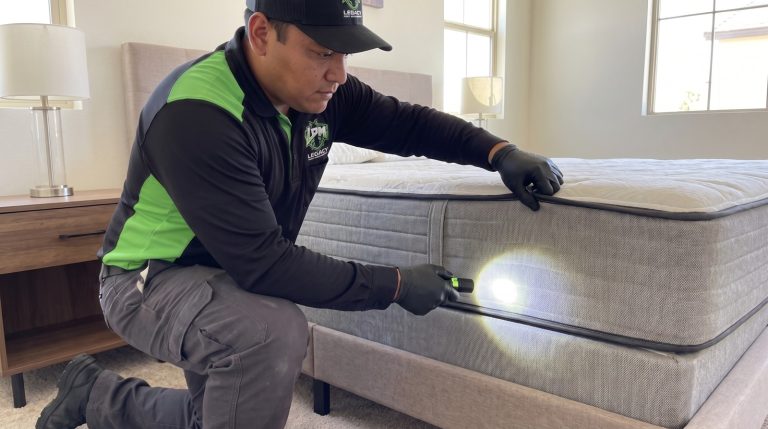
Stop bed bugs fast with careful treatment that helps protect your home and sleep.
Learn More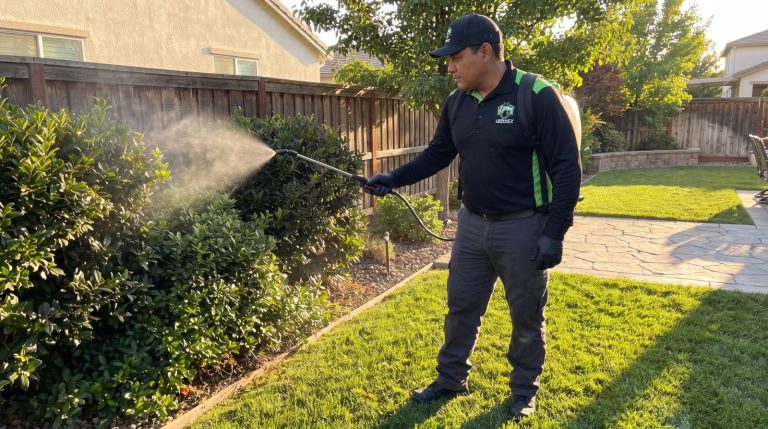
Reduce mosquito activity around your property with targeted treatments and practical prevention.
Learn More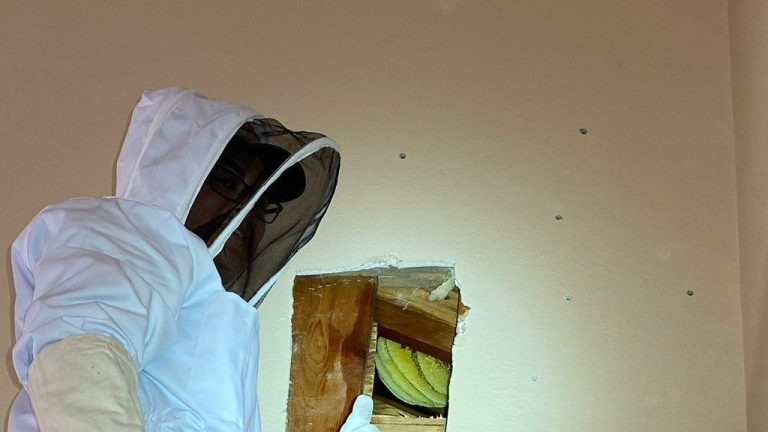
Bee, wasp, yellowjacket and hornet nests removed safely, with honey bee comb taken out rather than left in the wall.
Learn More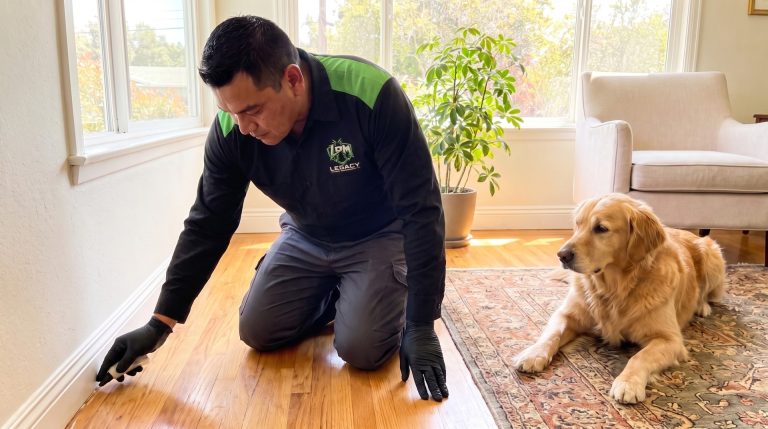
Fleas, ticks and mites are usually a symptom of something else. We find the source, treat the structure, and tell you which ticks a treatment cannot help with.
Learn More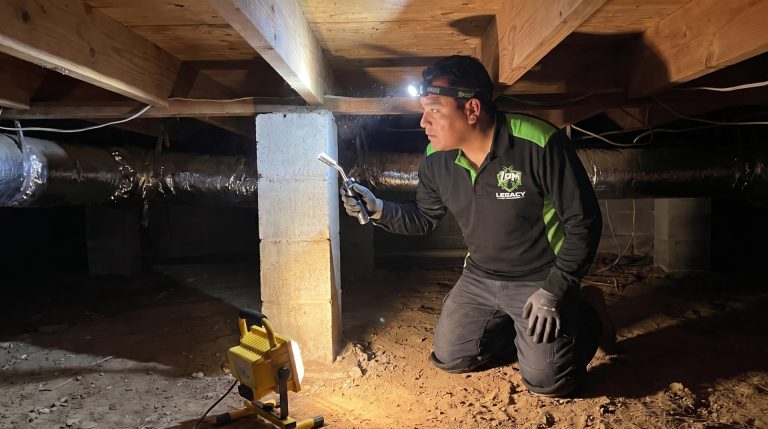
Subterranean termites, rodents, ants and moisture all start under the floor. We inspect, correct the conditions, and seal the entries.
Learn More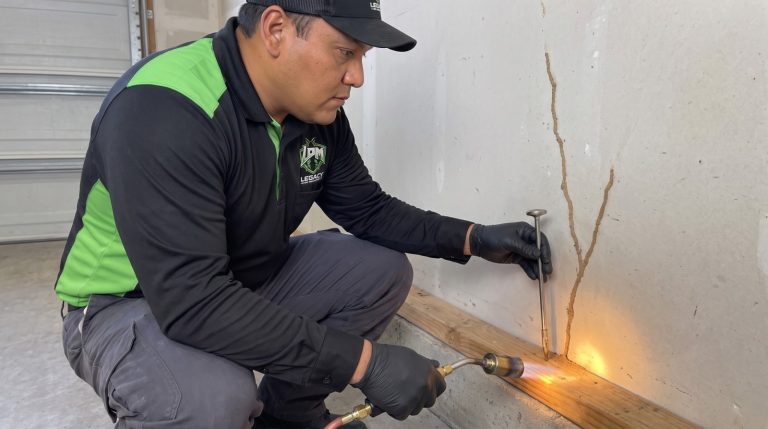
Find termite activity early with careful inspections for homes and businesses across San Diego County.
Learn More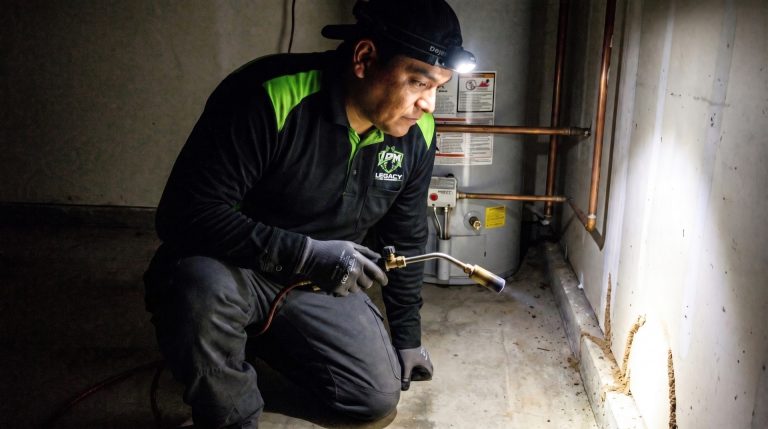
Protect your San Diego County property from termite damage with targeted treatment and clear next steps.
Learn More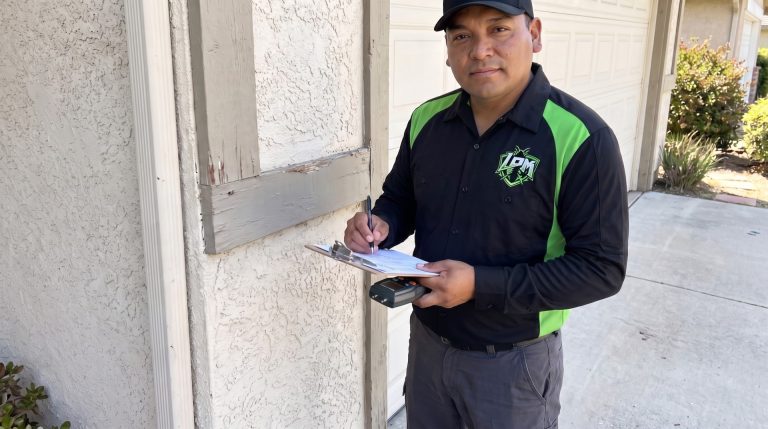
The state WDO report on form 43M-41 for escrow, refinance and pre-listing, explained rather than just handed over.
Learn More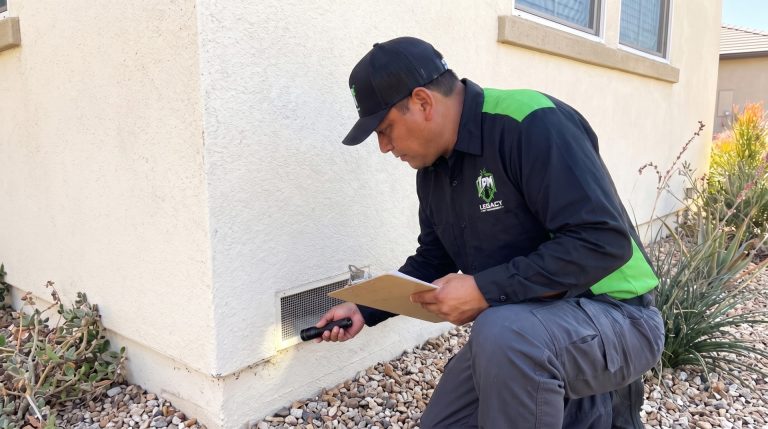
A documented inspection of what is present, where it is entering and what is sustaining it, for homes and businesses across San Diego County.
Learn More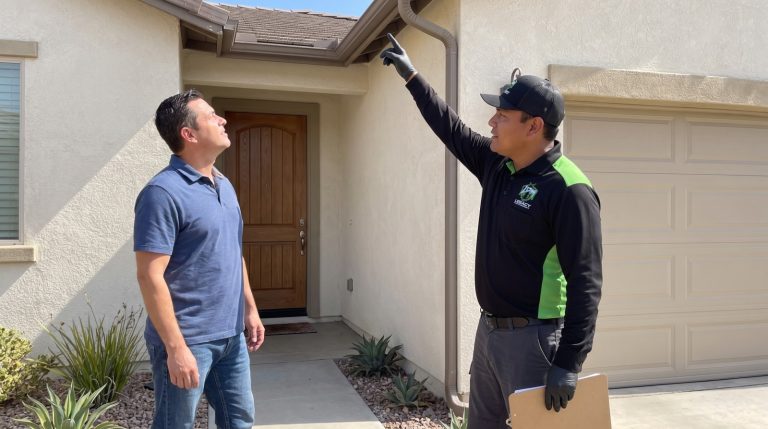
We look at the problem before anyone talks about price. No charge and no obligation.
Learn More
Ongoing service for properties that genuinely need it, and a straight answer for the ones that do not.
Learn More
Open 24 hours a day, seven days a week, with the owner answering the phone. We will also tell you when tonight will not help.
Learn More
Get Started
Tell us what you are seeing and where it is happening. You will get an honest assessment of the problem, what it takes to solve it, and whether your property needs ongoing service or a single visit. Pest, wildlife and termite work across San Diego County.