
Rancho San Diego is the newest community we serve in East County, and it is the only one that was drawn on paper before it was built. The specific plan was approved in 1979 across roughly 3,000 acres, and the numbers in that plan explain most of what we deal with here.
About 27 percent of the plan area was set aside for housing. Roughly 67 percent, close to 2,000 acres, was designated open space, along with about two and a half miles of the Sweetwater River corridor. It is the least dense of the inner East County communities and has the highest ownership rate.
What that produces is unusual: modern housing with very little of the old-wood problem, wrapped in more open space than anywhere else at this density. Call 619-277-4796 and we will work with that rather than against it.
With two thirds of the plan area in open space, a very large share of homes here back onto undeveloped ground rather than onto another house. That is the defining fact.
Roof rats are the animal it produces. The County of San Diego identifies them as the most common rat in the county, notes they climb rather than burrow, and lists ivy, bougainvillea and pyracantha as harborage. They nest above ground in vegetation and in attics and ceiling voids and will range up to 300 feet from a nest. On an open-space lot the work that lasts is exclusion at the roofline and vents plus cutting the vegetation bridge, because the population outside is not going anywhere.
A study of forty isolated canyon and coastal sage fragments in San Diego County found Argentine ants present in every fragment, with activity staying high within about 100 meters of a developed edge and falling off sharply past it. The authors noted that runoff from surrounding development collects in those areas and creates the moisture the ants depend on.
In a community that is two thirds open space with irrigated landscaping against it, a great many properties sit inside that band. It is also why perimeter spraying alone tends to disappoint: these colonies have many queens across many nests, so killing a visible trail does not touch them. Bait carried back into the nest is what reduces the population, and pairing bait with a perimeter application does better than either alone.
Two and a half miles of riparian corridor runs through the community. Dense riverside vegetation is named roof rat habitat, and slow or standing water in a river corridor is mosquito habitat. Properties along that edge get both.
Because this is largely post-1979 housing, drywood termites in century-old framing are much less of the story here than in La Mesa or Lemon Grove. What we do find is the ordinary set of modern-construction entry points: weep screeds, expansion joints, utility penetrations, garage door seals, and irrigation and meter boxes on the lot. Subterranean termites still matter wherever drainage puts moisture against a foundation.
The plan set most of the community at low single-family density but also allowed for higher-density and senior housing nodes. Those behave differently. In a connected building, cockroaches move between units through shared plumbing and vertical chases, so treatment has to reach further than the unit that called.
December to March. Roughly three quarters of the annual rain. Saturated ground pushes ant colonies into wall voids and slab edges, and this is the harder of the two ant seasons because it is a nest relocating rather than a trail foraging.
August and September. The dry peak. With the open space dried out, ants come in for water and concentrate at sinks, tubs and dishwashers.
Summer into fall. Drywood termite swarms during daylight hours, mostly relevant to the older properties on the fringe of the plan area.
After brush work. Open-space fuel management displaces rodents toward structures. That is our field observation rather than something published, but it is consistent enough that we mention it.
Everything we do is available in Rancho San Diego, CA. It falls into three groups.
General Pest Control is the core program, working the exterior so the interior stays quiet. Within it sit Ant Control, Cockroach Control, Spider Control, Flea & Tick Treatment, Rodent Control, Bed Bug Treatment, Mosquito Control and Bee, Wasp & Hornet Control. For houses and condos see Residential Pest Control; for restaurants, offices and multi-unit buildings see Commercial Pest Control.
Wildlife Removal covers raccoons, opossums, skunks and birds. The work is exclusion led: a healthy adult can only be released where it was caught, so sealing the way in is the only thing that actually ends it. Injured or orphaned animals go to a licensed rehabilitator rather than being destroyed.
Termite Control begins with Termite Inspections to settle whether it is drywood or subterranean, and Termite Treatment follows from that answer. When the question is broader than termites, Pest Inspections cover the whole property.
A planned community means a lot of our work here goes through an association or a management company rather than an individual owner. We can treat common areas, coordinate across units, and provide documentation of what was applied and where, which is generally what a board needs before approving further work.
Where the issue is at the open-space boundary, it is often better handled as a community-level exclusion and vegetation question than as a series of individual callouts.
Age is not the driver here, proximity is. Backing onto open space with irrigation running puts you in the band where ant activity is highest, regardless of how new the house is.
Expected against a supercolony with many queens spread across many nests. A spray removes the workers you can see. Bait carried back into the nest is what reduces it.
Almost certainly roof rats coming in high, from branches, fences or utility lines. Sealing the roofline and vents matters more than trapping.
Yes. We can handle common areas and provide the documentation a board or management company needs.
Spring Valley · Jamul · La Mesa
Full coverage for this office is listed on our El Cajon location page. For central San Diego, see San Diego.
Call 619-277-4796 or send a request and tell us what you are seeing in Rancho San Diego. We will recommend a plan that fits the property.
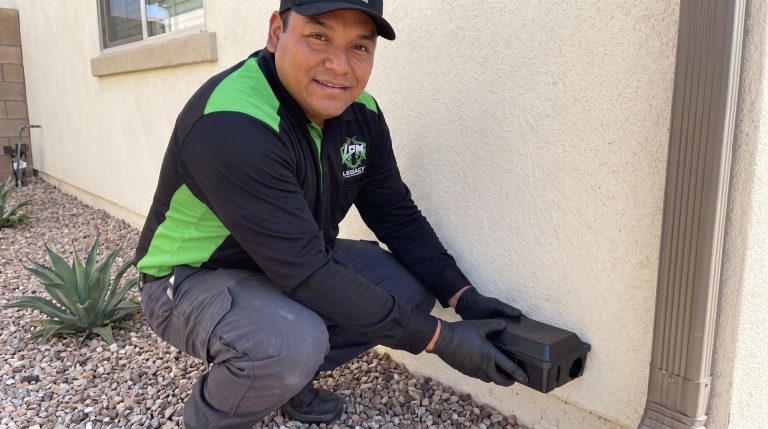
Recurring protection against ants, cockroaches, spiders, fleas, mites and the other common insects in San Diego County homes and businesses.
Learn More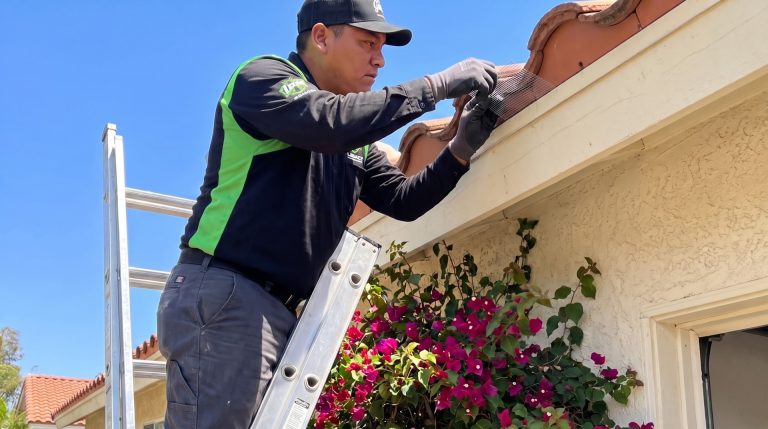
Raccoon, opossum, skunk and bird work across San Diego County. Exclusion first, and injured or orphaned animals to a licensed rehabilitator rather than destroyed.
Learn More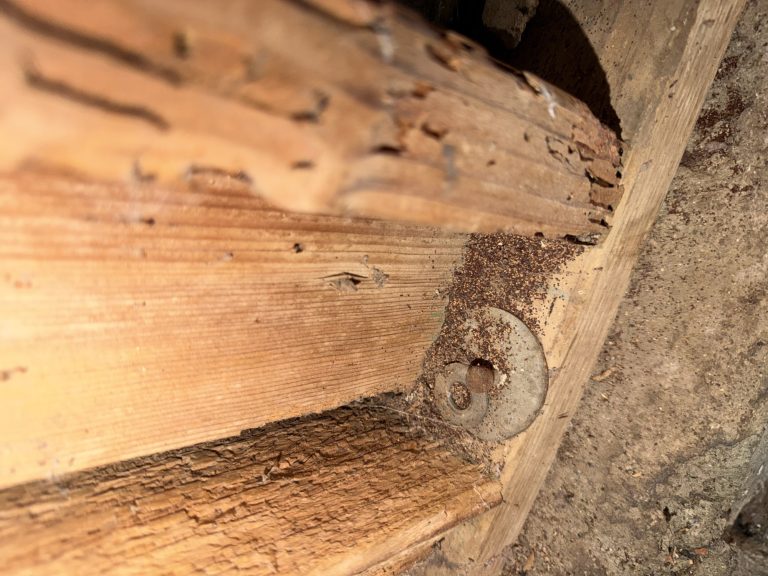
Inspection, identification and treatment for drywood and subterranean termites across San Diego County, in that order.
Learn More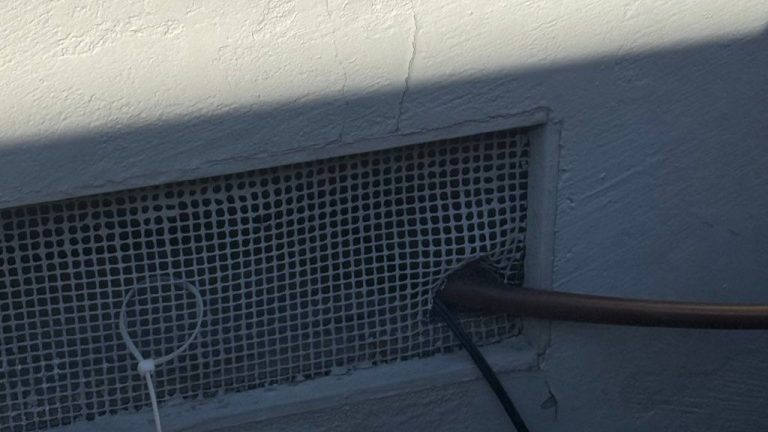
Closing how animals get in is the only step that ends the problem. Quarter-inch galvanised mesh, buried edges, and fasteners that hold.
Learn More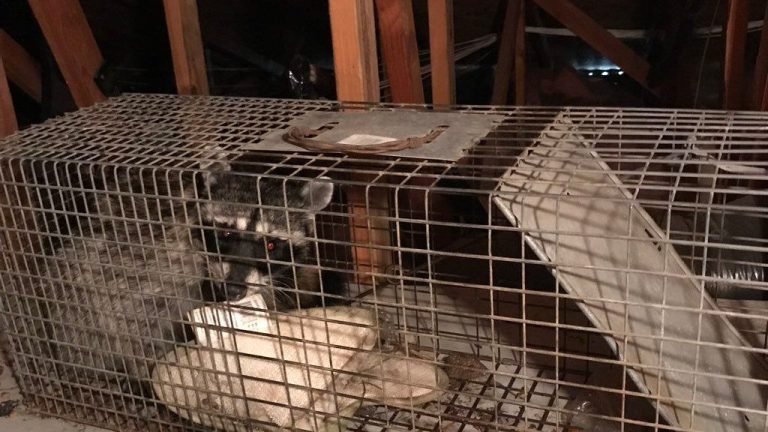
Raccoon removal and attic exclusion across San Diego County, with the latrine cleanup that most quotes leave out.
Learn More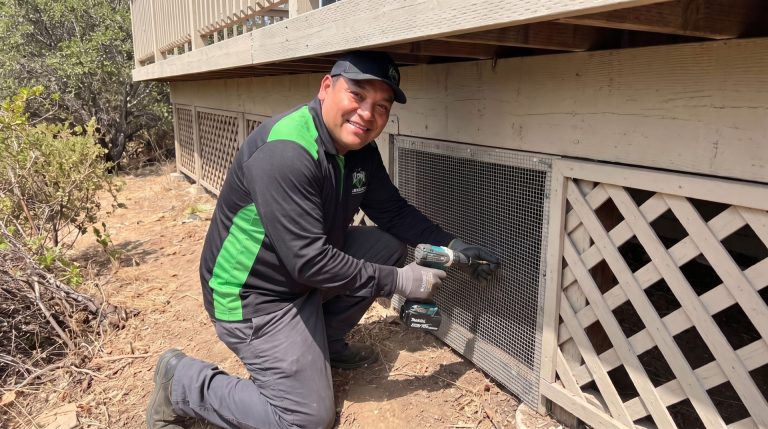
Opossum removal and under-structure exclusion for San Diego County homes, plus the flea problem that comes with them.
Learn More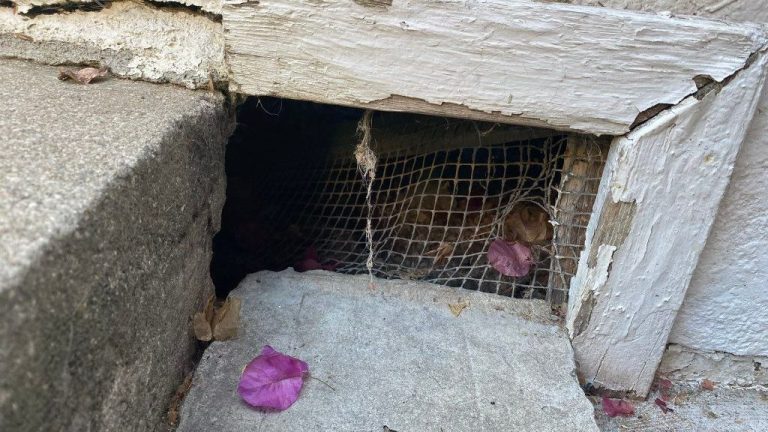
Skunk removal and den exclusion for San Diego County properties, handled so nothing gets sprayed under your house.
Learn More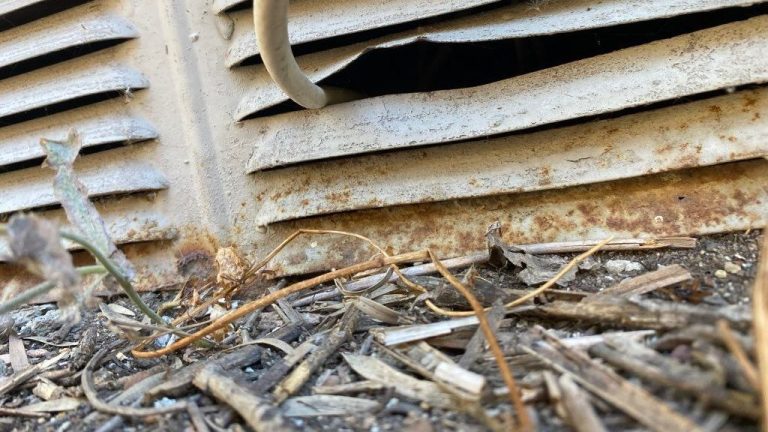
Bird exclusion, netting and solar array screening for San Diego County, worked to what federal law actually allows.
Learn More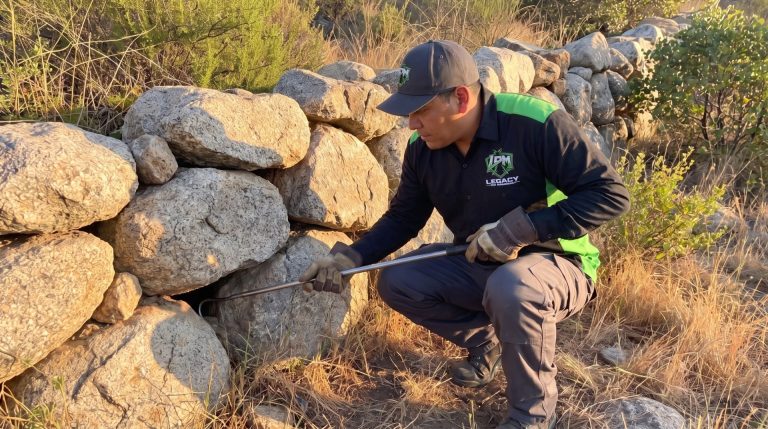
Identification first. Four rattlesnake species live in this county and one of them is illegal to kill.
Learn More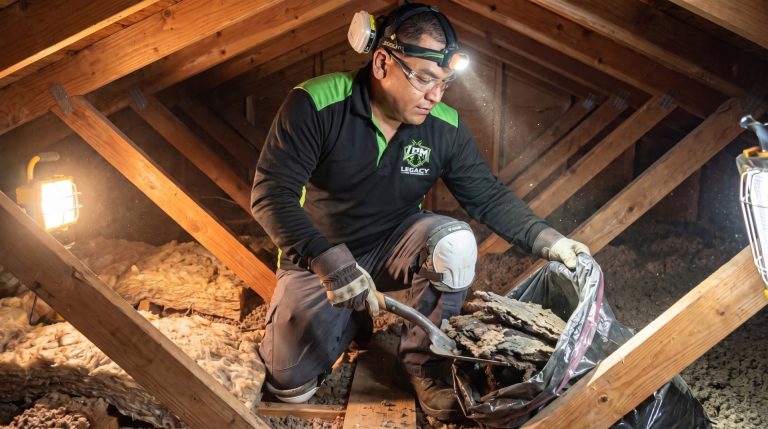
Cleanup and re-insulation after wildlife, done where it is genuinely needed and not sold where it is not.
Learn More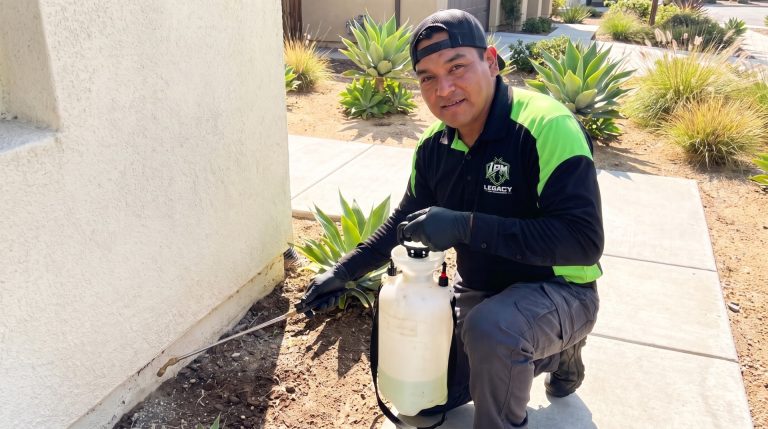
Protect your San Diego County home from pests with targeted residential treatments and prevention.
Learn More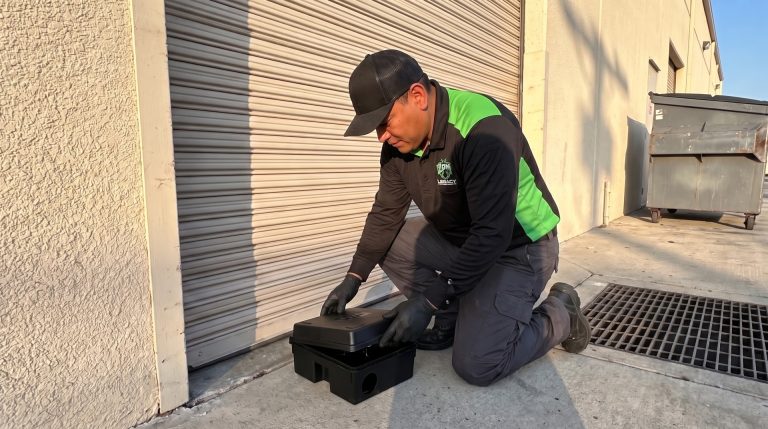
Protect your business from pests with discreet, reliable commercial pest control tailored to your property.
Learn More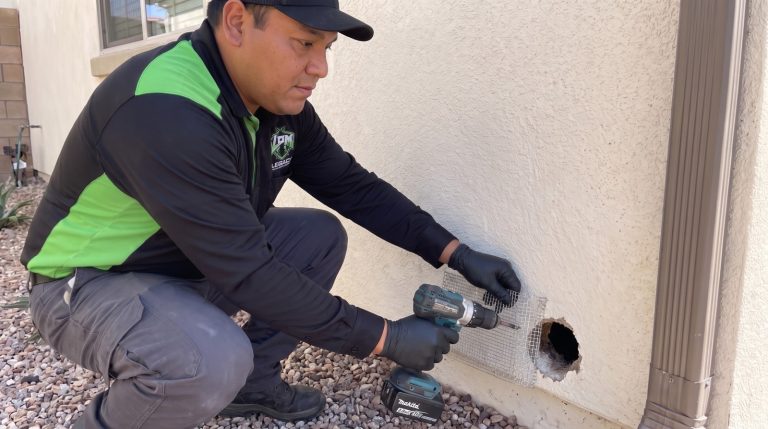
Fast rodent control for San Diego County homes and businesses with practical, lasting protection.
Learn More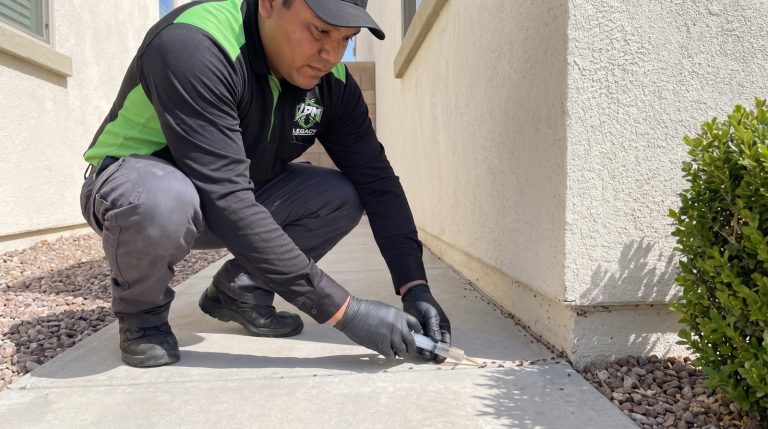
Stop ant trails fast with targeted ant control for homes and businesses across San Diego County.
Learn More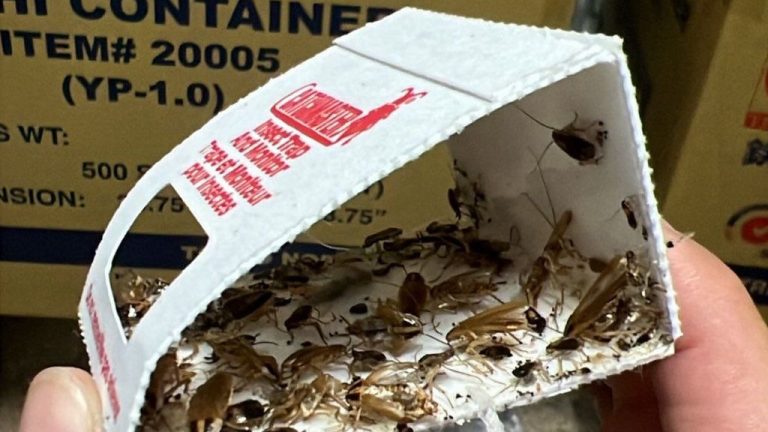
Stop roaches from spreading through your home with targeted, reliable local treatment.
Learn More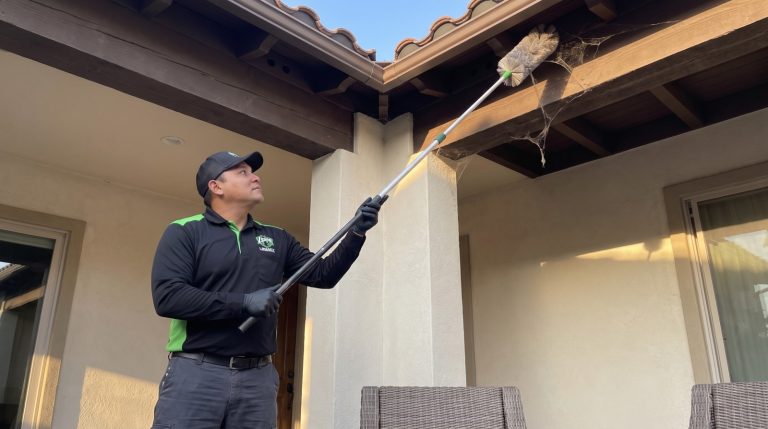
Black widows, brown widows, and the crickets and beetles that come in through the same gaps. We treat the band around the outside, not the whole yard.
Learn More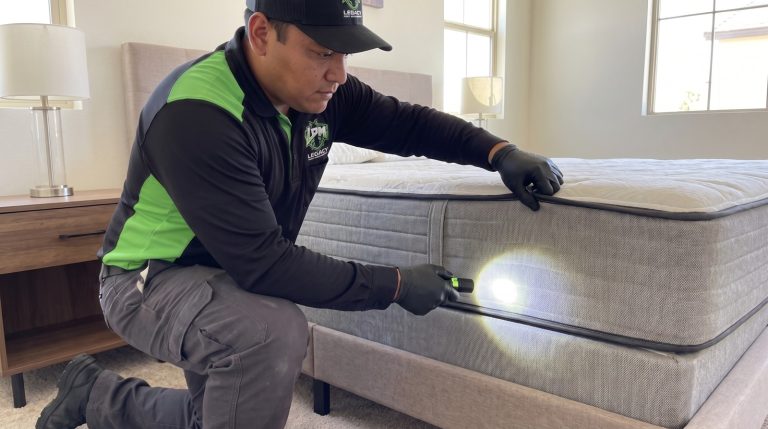
Stop bed bugs fast with careful treatment that helps protect your home and sleep.
Learn More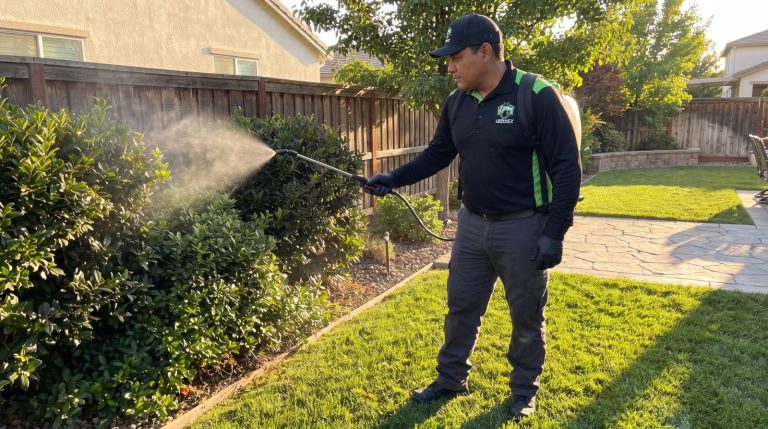
Reduce mosquito activity around your property with targeted treatments and practical prevention.
Learn More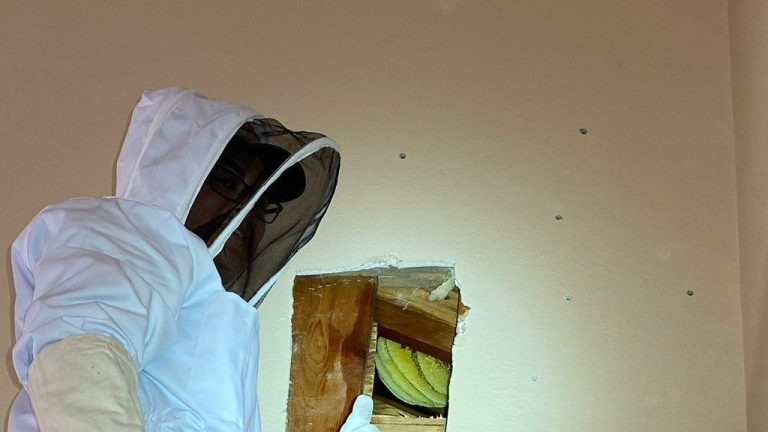
Bee, wasp, yellowjacket and hornet nests removed safely, with honey bee comb taken out rather than left in the wall.
Learn More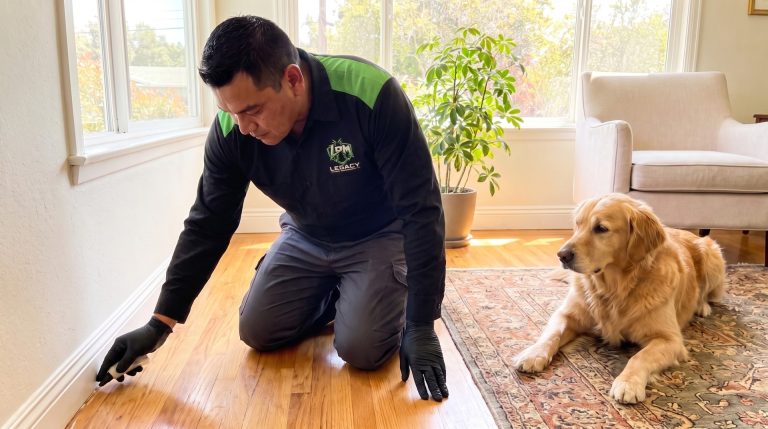
Fleas, ticks and mites are usually a symptom of something else. We find the source, treat the structure, and tell you which ticks a treatment cannot help with.
Learn More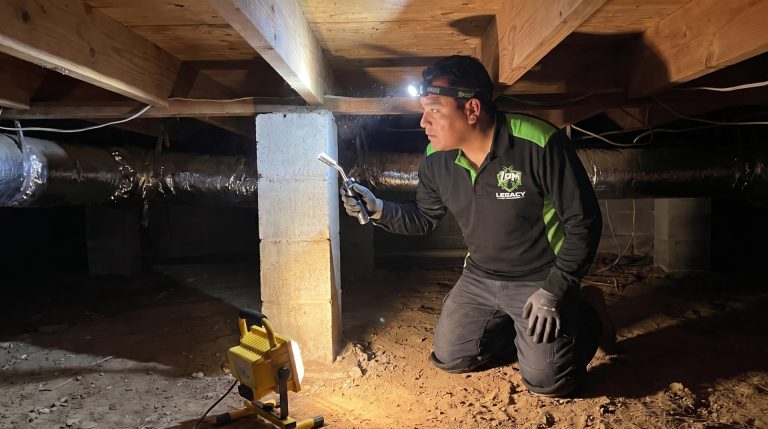
Subterranean termites, rodents, ants and moisture all start under the floor. We inspect, correct the conditions, and seal the entries.
Learn More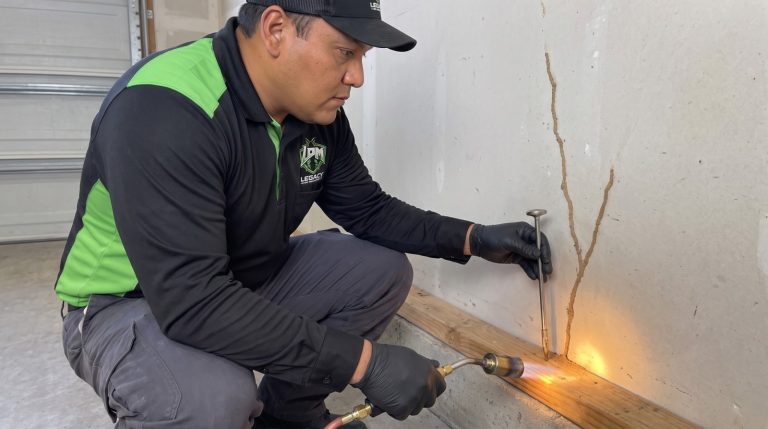
Find termite activity early with careful inspections for homes and businesses across San Diego County.
Learn More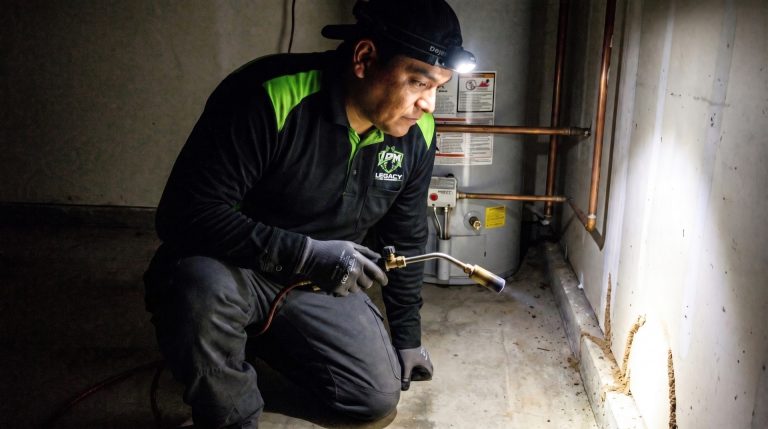
Protect your San Diego County property from termite damage with targeted treatment and clear next steps.
Learn More
The state WDO report on form 43M-41 for escrow, refinance and pre-listing, explained rather than just handed over.
Learn More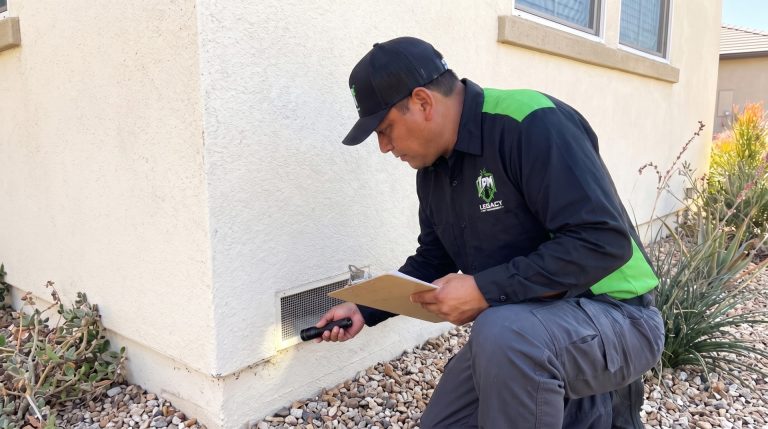
A documented inspection of what is present, where it is entering and what is sustaining it, for homes and businesses across San Diego County.
Learn More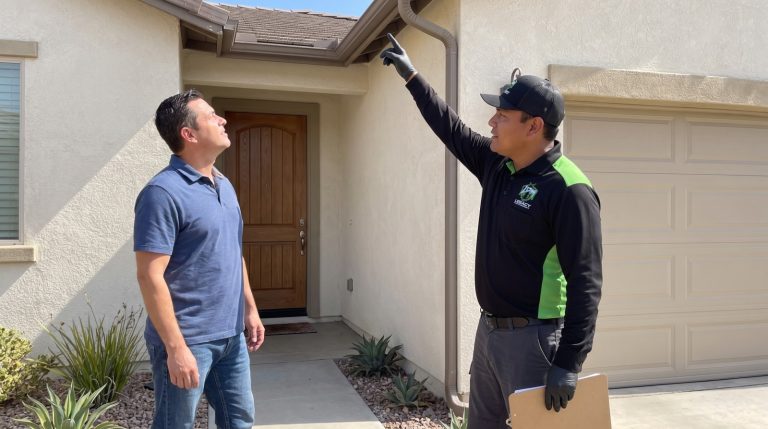
We look at the problem before anyone talks about price. No charge and no obligation.
Learn More
Ongoing service for properties that genuinely need it, and a straight answer for the ones that do not.
Learn More
Open 24 hours a day, seven days a week, with the owner answering the phone. We will also tell you when tonight will not help.
Learn More
Get Started
Tell us what you are seeing and where it is happening. You will get an honest assessment of the problem, what it takes to solve it, and whether your property needs ongoing service or a single visit. Pest, wildlife and termite work across San Diego County.