
La Mesa incorporated in 1912, and the housing reflects it. The city's own housing element puts roughly 38 percent of the stock at pre-1960 and about 82 percent at more than thirty years old, against a county average of 57 percent. It is also a majority-renter city, with multi-family and attached homes making up more than half of all units.
Old wood and shared walls are two different pest problems, and La Mesa has both in quantity. Call 619-277-4796 and tell us which one you are dealing with.
The western drywood termite nests inside wood and needs no contact with soil, so it colonizes the parts of a house that soil treatment never reaches: attic sheathing, rafters, fascia, eaves, window and door frames. Colonies are small and slow, usually under a thousand insects, and take years to mature, which is why evidence often appears long after the colony started.
What you can actually see is fecal pellets with six flat sides, which nothing else produces, pushed out through kick-out holes under two millimeters across. Sweep a pile up and check the same spot a few days later. Fresh pellets mean it is active.
La Mesa holds a piece of entomological history that is worth understanding rather than worrying about. In February 1992 the Formosan subterranean termite was found here, the first non-native termite species established in California. The eradication program lost its funding in 1997, and the same population was confirmed again in 2018, roughly a third of a mile from the original site.
Here is the honest scale of it: every confirmed colony in the published record sits within a very small area, and UC's own language is that it remains restricted to a small pocket. The overwhelming majority of La Mesa termite work is ordinary drywood and western subterranean termite work, and most homes here will never encounter a Formosan colony.
What it does change is one practical thing. Formosan swarmers fly at dusk and are drawn to lights, between roughly late May and early August. Our native subterranean termites swarm in daylight, on clear afternoons after rain. If you get an evening swarm around your porch light in early summer, that is worth identifying rather than guessing at, and it is the reason we identify the species rather than assume.
With most units in multi-family or attached housing and a majority of residents renting, a large share of our La Mesa work involves connected buildings. Cockroaches spread between units through shared kitchen and bathroom plumbing and through the vertical chases between floors, so the unit that reports the problem is often not the source. Treating one apartment in isolation usually moves the population rather than removing it.
Hillside subdivisions like Mount Nebo, platted in 1908, and Windsor Hills from 1927 have mature landscaping, retaining walls and slope-adjacent structures. Roof rats climb rather than burrow, nest in attics and ceiling voids, and travel along branches, fences and utility lines. The county names ivy, bougainvillea and pyracantha as harborage. Entry is usually high on the building rather than at ground level.
Grossmont Center opened in 1961 and runs to 925,000 square feet, and Sharp Grossmont Hospital has been operating since 1955. That corridor is the largest concentration of commercial and healthcare kitchens in East County, and it is a different kind of account from a restaurant on La Mesa Boulevard.
Worth saying plainly, because it separates this page from the backcountry ones: La Mesa is not a wildfire community. The city's 2023 hazard mitigation annex rates wildfire risk low and states that no wildfire has taken place inside city boundaries. If you have read our Alpine or Crest pages, the post-fire and brush-clearance work described there is not the La Mesa story. Here the pressure comes from the age of the buildings and the density of them.
Summer into fall. Drywood termite swarms during daylight hours. In housing stock this old, this is the termite event most likely to be noticed.
Late May to early August, at dusk. The window when a Formosan swarm would occur, if you are going to see one. Evening flights drawn to lights are the tell.
December to March. Roughly three quarters of the year's rain. Ants relocate out of saturated soil into wall voids. Subterranean termites swarm on clear afternoons after a soaking rain.
August and September. The dry peak sends ants indoors for water, to sinks and tubs rather than the pantry.
Everything we do is available in La Mesa, CA. It falls into three groups.
General Pest Control is the core program, working the exterior so the interior stays quiet. Within it sit Ant Control, Cockroach Control, Spider Control, Flea & Tick Treatment, Rodent Control, Bed Bug Treatment, Mosquito Control and Bee, Wasp & Hornet Control. For houses and condos see Residential Pest Control; for restaurants, offices and multi-unit buildings see Commercial Pest Control.
Wildlife Removal covers raccoons, opossums, skunks and birds. The work is exclusion led: a healthy adult can only be released where it was caught, so sealing the way in is the only thing that actually ends it. Injured or orphaned animals go to a licensed rehabilitator rather than being destroyed.
Termite Control begins with Termite Inspections to settle whether it is drywood or subterranean, and Termite Treatment follows from that answer. When the question is broader than termites, Pest Inspections cover the whole property.
Probably drywood termite pellets. Look for six flat sides. Sweep them up and check again in a few days; fresh pellets mean an active colony above.
Almost certainly not. It is a very localized population and most La Mesa homes will never see one. It is a reason to identify a swarm rather than assume, not a reason to worry about your house.
In a connected building the population usually lives in the shared plumbing route. Ask the manager about treating the affected units together, which holds far better than one unit at a time.
Yes, regularly. We can provide documentation of what was applied and where for building records.
Lemon Grove · Spring Valley · Rancho San Diego
Full coverage for this office is listed on our El Cajon location page. For central San Diego, see San Diego.
Call 619-277-4796 or send a request and tell us what you are seeing in La Mesa. We will recommend a plan that fits the property.
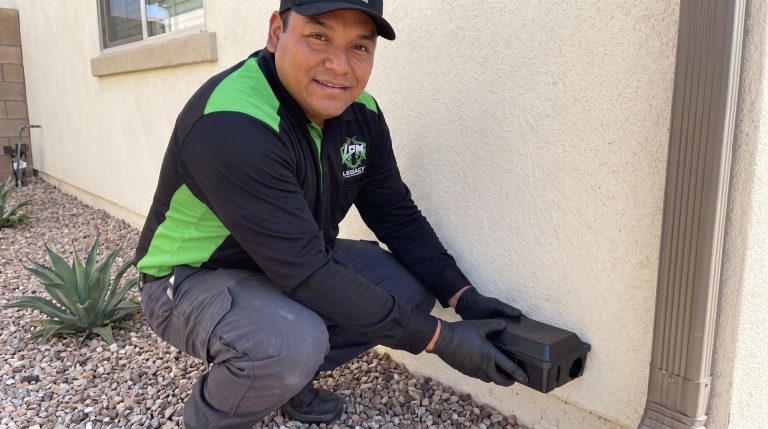
Recurring protection against ants, cockroaches, spiders, fleas, mites and the other common insects in San Diego County homes and businesses.
Learn More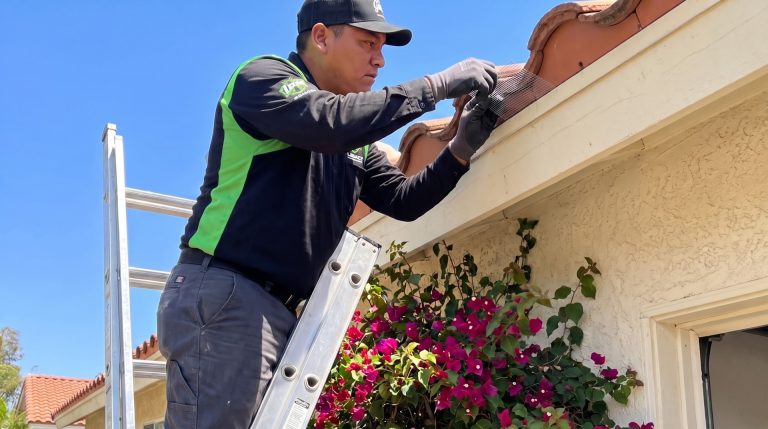
Raccoon, opossum, skunk and bird work across San Diego County. Exclusion first, and injured or orphaned animals to a licensed rehabilitator rather than destroyed.
Learn More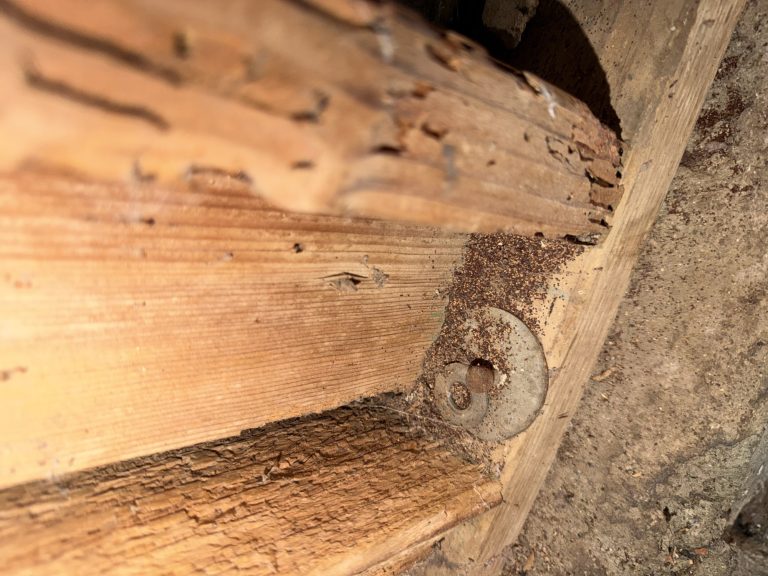
Inspection, identification and treatment for drywood and subterranean termites across San Diego County, in that order.
Learn More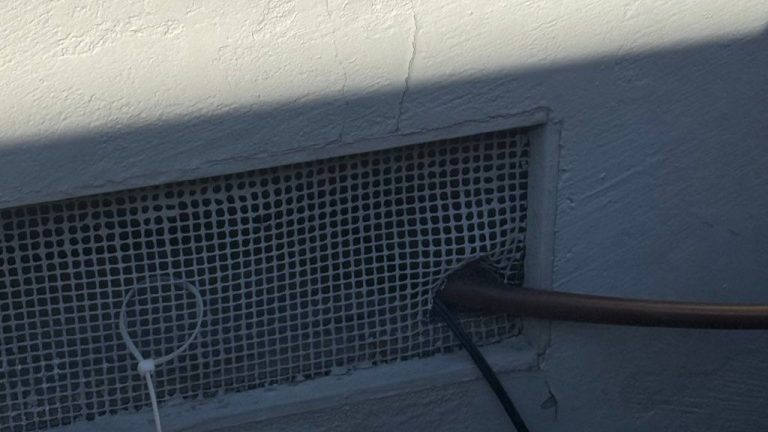
Closing how animals get in is the only step that ends the problem. Quarter-inch galvanised mesh, buried edges, and fasteners that hold.
Learn More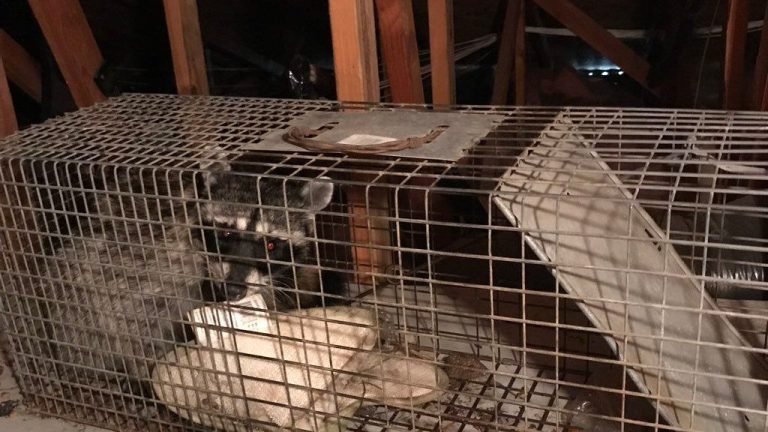
Raccoon removal and attic exclusion across San Diego County, with the latrine cleanup that most quotes leave out.
Learn More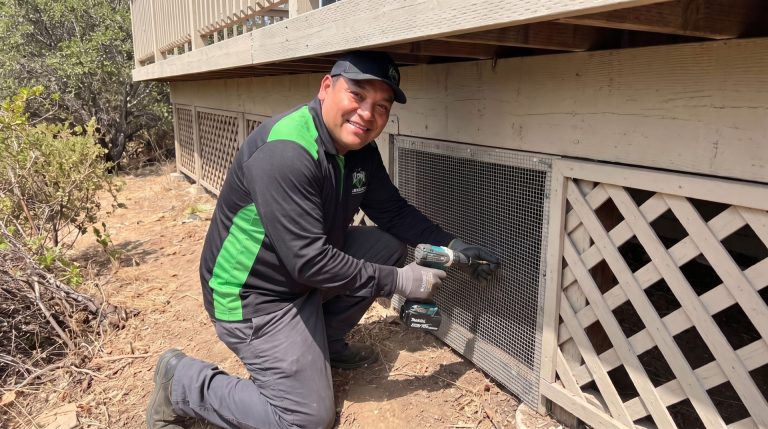
Opossum removal and under-structure exclusion for San Diego County homes, plus the flea problem that comes with them.
Learn More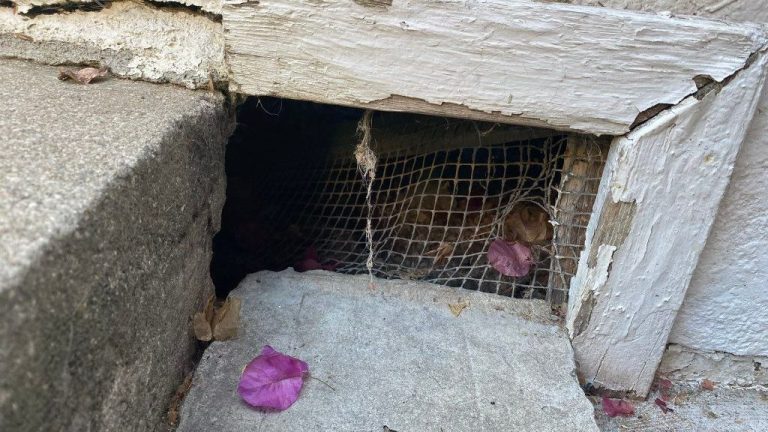
Skunk removal and den exclusion for San Diego County properties, handled so nothing gets sprayed under your house.
Learn More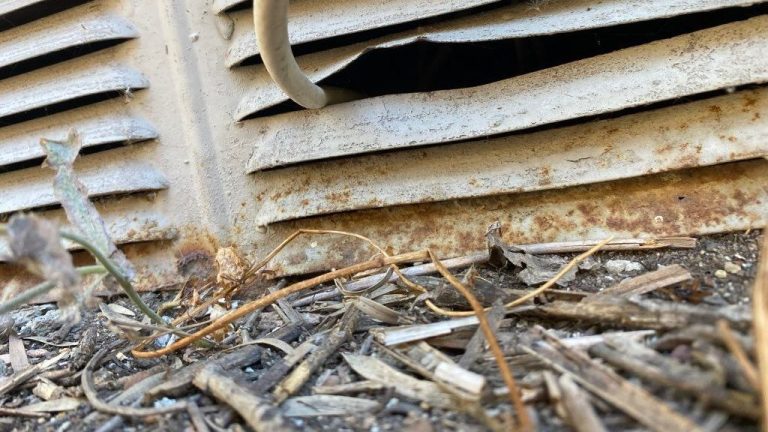
Bird exclusion, netting and solar array screening for San Diego County, worked to what federal law actually allows.
Learn More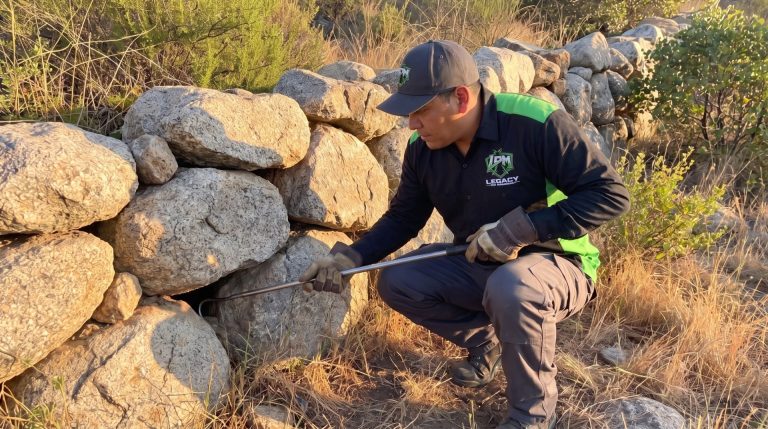
Identification first. Four rattlesnake species live in this county and one of them is illegal to kill.
Learn More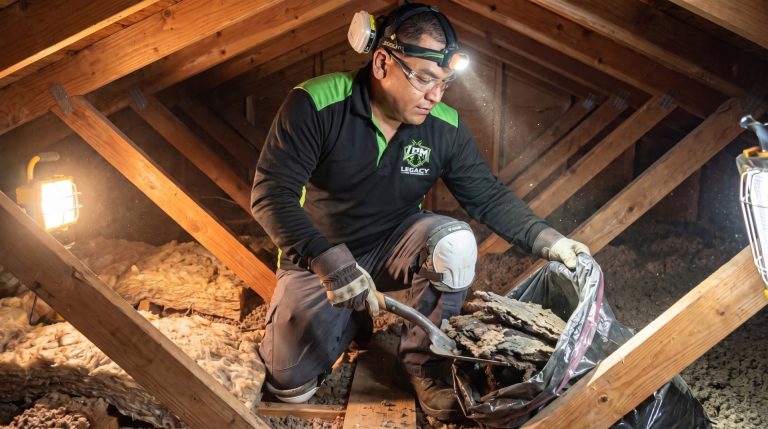
Cleanup and re-insulation after wildlife, done where it is genuinely needed and not sold where it is not.
Learn More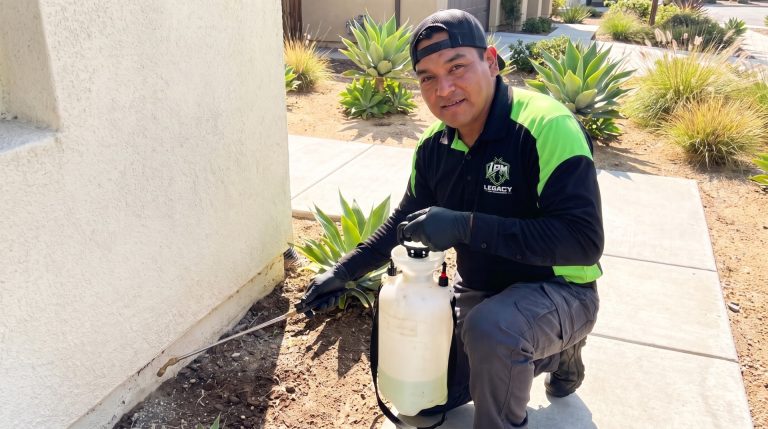
Protect your San Diego County home from pests with targeted residential treatments and prevention.
Learn More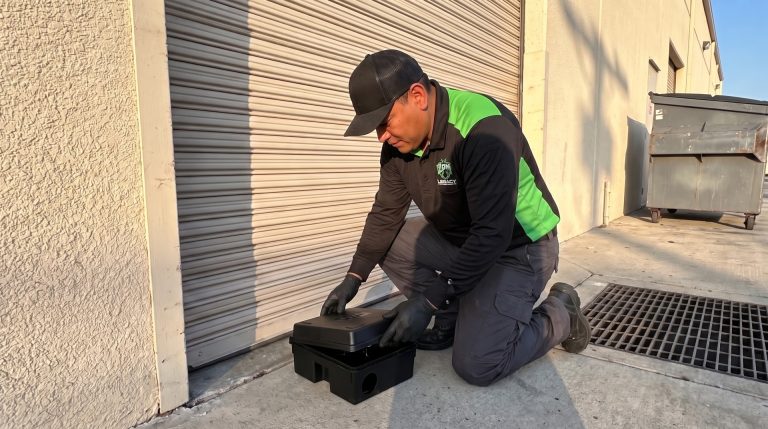
Protect your business from pests with discreet, reliable commercial pest control tailored to your property.
Learn More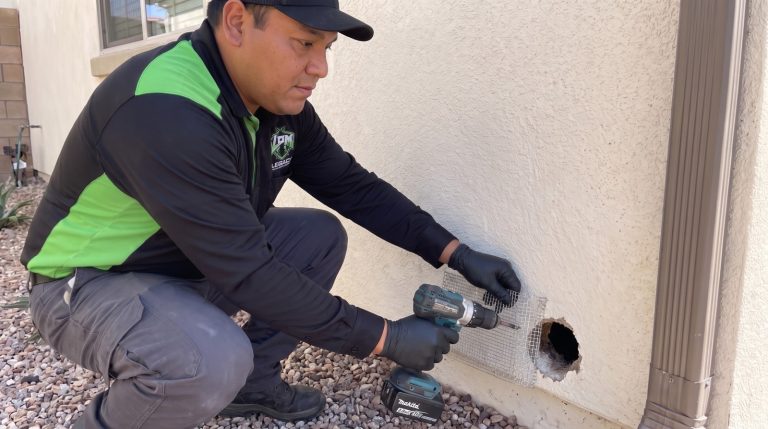
Fast rodent control for San Diego County homes and businesses with practical, lasting protection.
Learn More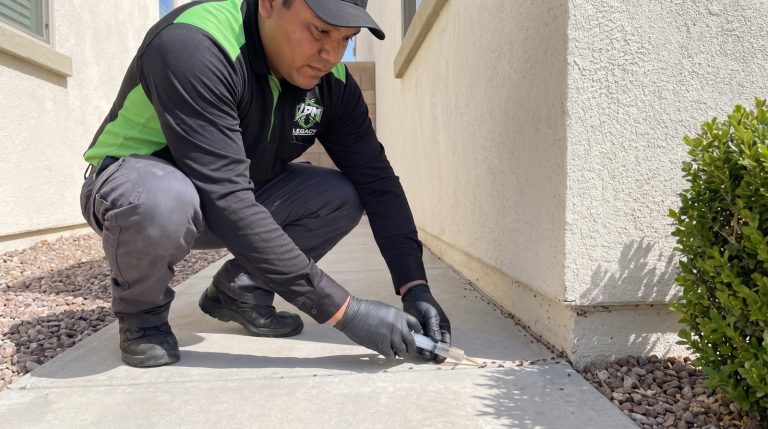
Stop ant trails fast with targeted ant control for homes and businesses across San Diego County.
Learn More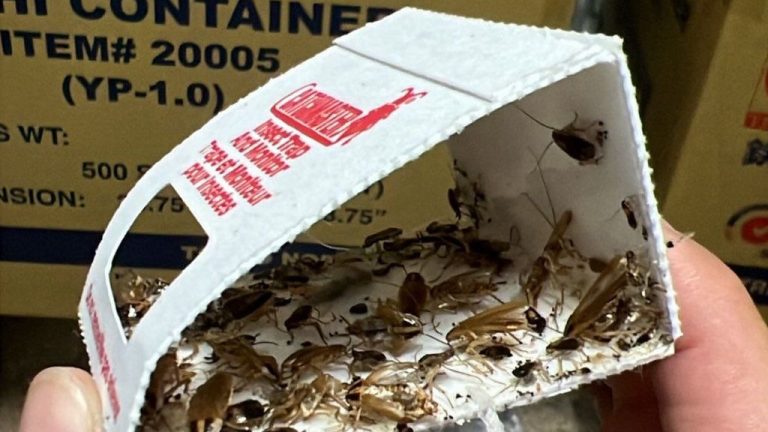
Stop roaches from spreading through your home with targeted, reliable local treatment.
Learn More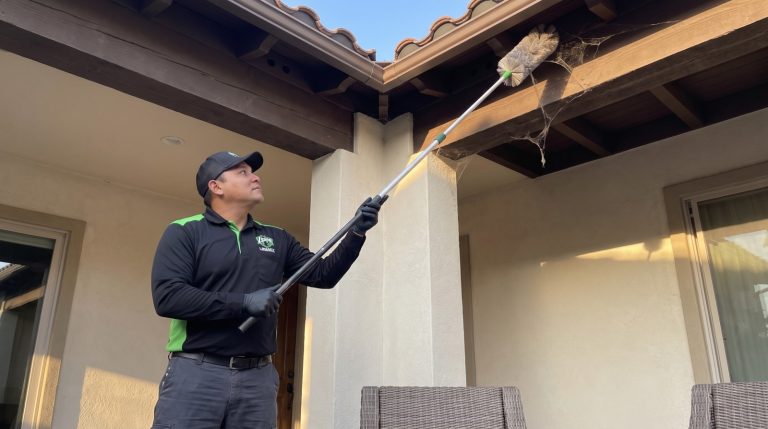
Black widows, brown widows, and the crickets and beetles that come in through the same gaps. We treat the band around the outside, not the whole yard.
Learn More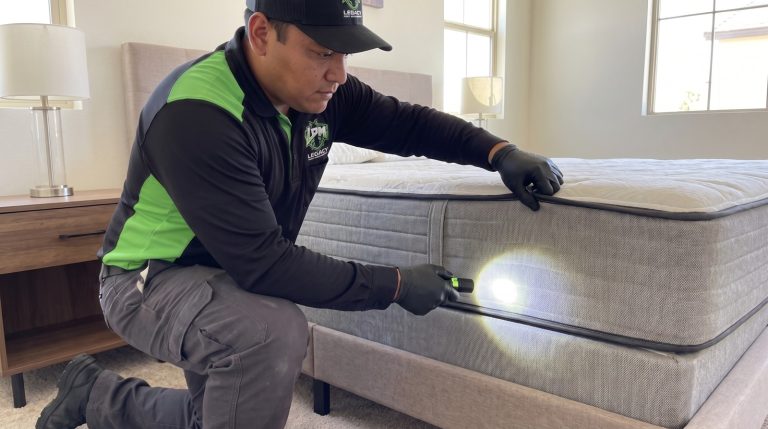
Stop bed bugs fast with careful treatment that helps protect your home and sleep.
Learn More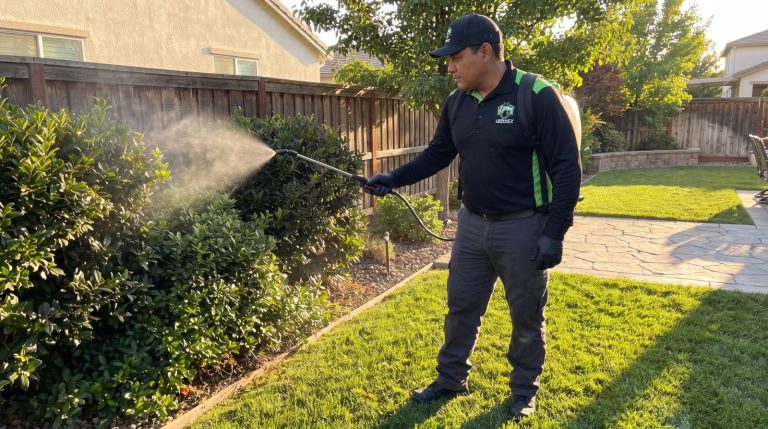
Reduce mosquito activity around your property with targeted treatments and practical prevention.
Learn More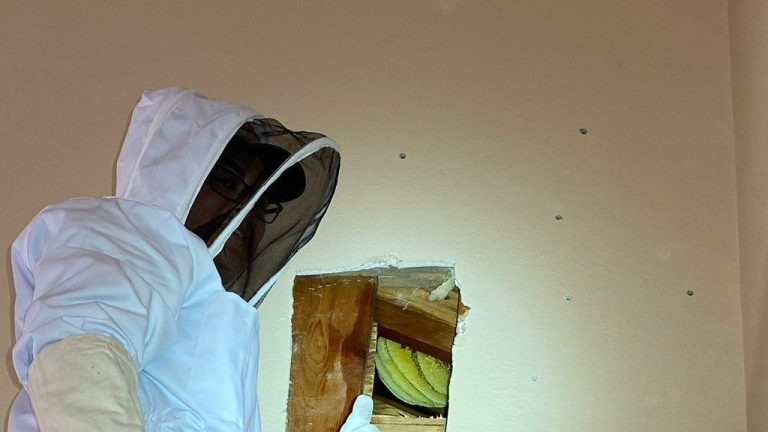
Bee, wasp, yellowjacket and hornet nests removed safely, with honey bee comb taken out rather than left in the wall.
Learn More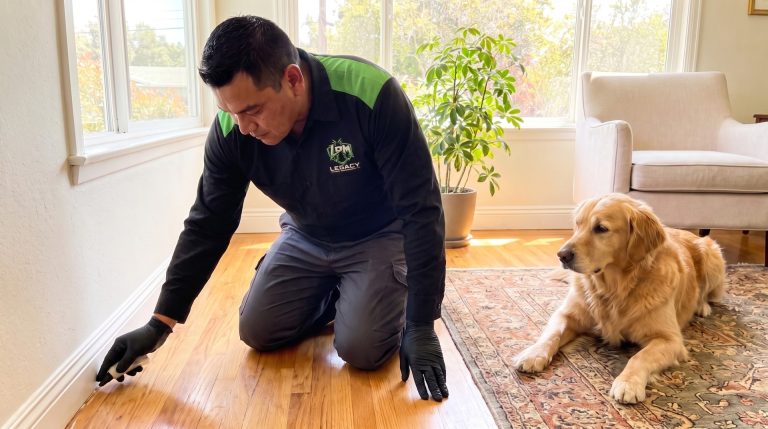
Fleas, ticks and mites are usually a symptom of something else. We find the source, treat the structure, and tell you which ticks a treatment cannot help with.
Learn More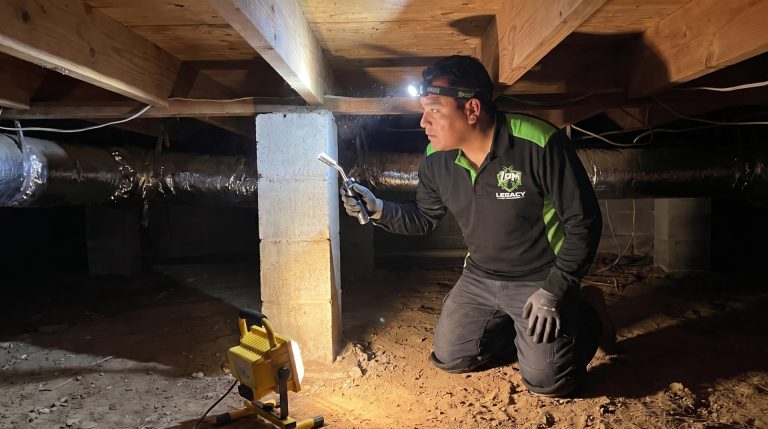
Subterranean termites, rodents, ants and moisture all start under the floor. We inspect, correct the conditions, and seal the entries.
Learn More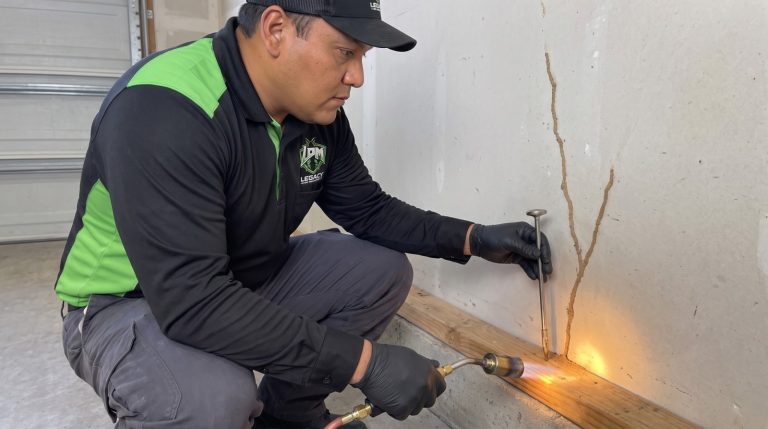
Find termite activity early with careful inspections for homes and businesses across San Diego County.
Learn More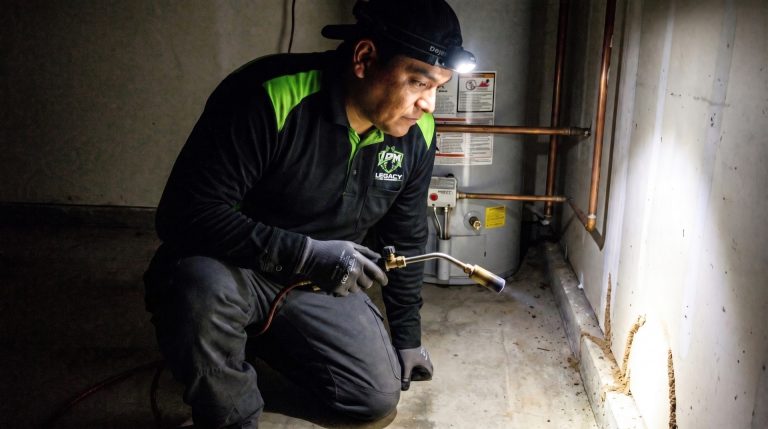
Protect your San Diego County property from termite damage with targeted treatment and clear next steps.
Learn More
The state WDO report on form 43M-41 for escrow, refinance and pre-listing, explained rather than just handed over.
Learn More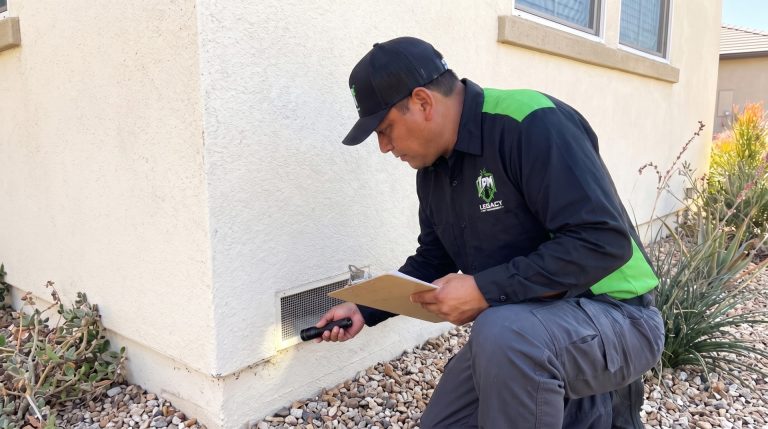
A documented inspection of what is present, where it is entering and what is sustaining it, for homes and businesses across San Diego County.
Learn More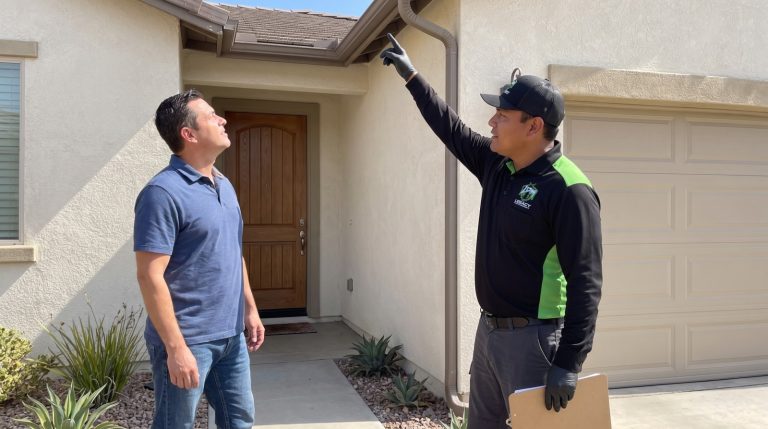
We look at the problem before anyone talks about price. No charge and no obligation.
Learn More
Ongoing service for properties that genuinely need it, and a straight answer for the ones that do not.
Learn More
Open 24 hours a day, seven days a week, with the owner answering the phone. We will also tell you when tonight will not help.
Learn More
Get Started
Tell us what you are seeing and where it is happening. You will get an honest assessment of the problem, what it takes to solve it, and whether your property needs ongoing service or a single visit. Pest, wildlife and termite work across San Diego County.