
Ocean Beach has a housing profile unlike anywhere else we work. Only about sixteen percent of residents own their homes. Roughly fifty-five percent live in multifamily buildings, and the overwhelming majority of the housing stock is studios, one-bedrooms and two-bedrooms. Add a large number of licensed short-term rentals on top of that, and you get a neighborhood with unusually high turnover through unusually small, closely connected units.
Underneath sits some of the oldest housing in the city. The Ocean Beach cottage district covers a period from 1887 to 1931, and beach cottages and Craftsman bungalows from that era are still throughout the neighborhood. Many properties have rear alley access.
Call 619-277-4796 and tell us what you are seeing.
This is the defining OB problem, and it is a building problem rather than a housekeeping one. In connected units, cockroaches spread through shared kitchen and bathroom plumbing between neighbors and through the vertical plumbing chases between floors. Research on multi-unit housing found infestations cluster exactly along those lines: across the hallway, along shared walls, and directly above and below.
The same study found a building-wide program cut infestation from about half the units to roughly one in eight within a year, while unit-by-unit treatment kept losing ground. In a neighborhood of small connected units with frequent turnover, that difference is everything. If you are one unit in an infested building, we will tell you honestly what a single-unit treatment can and cannot achieve.
The community plan describes alley access with rear parking on many parcels, and the neighborhood's commercial districts run along Newport Avenue, Voltaire Street and Point Loma Avenue. Restaurants and bars concentrated on a compact corridor, alley-side enclosures, and dense residential immediately behind, together make a consistent rodent and cockroach supply. Roof rats will travel up to 300 feet from a nest, so the enclosure that feeds them is often not the one nearest the complaint.
Housing from the 1887 to 1931 period is wood-framed, and homes of that generation in Southern California were typically built on raised foundations with a crawl space rather than a slab. That matters in a marine climate. Prolonged morning damp from the marine layer, which is heaviest in May and June, keeps sill plates, subfloor edges and eaves from drying out.
Three separate wood-destroying problems follow. Drywood termites work through above-ground wood without ever touching soil. Subterranean termites need soil contact and moisture and build mud shelter tubes up the foundation, and a damp crawl space with wood close to the ground is what invites them; the general benchmark is keeping structural wood at least twelve inches clear of soil. And dampwood termites, which are specifically associated with cool, humid coastal conditions, go after wood that stays wet.
The San Diego River estuary runs along the northern boundary, salt marsh and dune habitat that has documented problems with invasive weeds and accumulated trash. Dense riparian vegetation is named habitat for roof rats, and it sits directly against a dense, largely rented neighborhood.
If you get bitten in your own yard during the day, particularly after a very high tide, this is likely why. The black salt marsh mosquito breeds in coastal salt marsh and lagoons, is among the most aggressive daytime biters, and can fly more than ten miles from where it bred. Populations surge after tides above roughly six feet. The county treats that habitat directly and reports this species does not transmit disease locally, so it is a nuisance rather than a health problem, and it is not something treating your yard will fix at the source.
May and June. The cloudiest, dampest months on the coastal strip. The effect is strongest right at the coast, so OB feels it more than inland neighborhoods. Slow-drying wood is the concern.
December to March. Around three quarters of the year's rain. Ant colonies relocate out of saturated soil into structures. Subterranean termites swarm after soaking rain.
August and September. Ants indoors looking for water.
Summer into fall. Drywood termite swarms during daylight hours. Invasive day-biting mosquitoes are also most active in this window.
Everything we do is available in Ocean Beach, San Diego. It falls into three groups.
General Pest Control is the core program, working the exterior so the interior stays quiet. Within it sit Ant Control, Cockroach Control, Spider Control, Flea & Tick Treatment, Rodent Control, Bed Bug Treatment, Mosquito Control and Bee, Wasp & Hornet Control. For houses and condos see Residential Pest Control; for restaurants, offices and multi-unit buildings see Commercial Pest Control.
Wildlife Removal covers raccoons, opossums, skunks and birds. The work is exclusion led: a healthy adult can only be released where it was caught, so sealing the way in is the only thing that actually ends it. Injured or orphaned animals go to a licensed rehabilitator rather than being destroyed.
Termite Control begins with Termite Inspections to settle whether it is drywood or subterranean, and Termite Treatment follows from that answer. When the question is broader than termites, Pest Inspections cover the whole property.
High turnover changes the risk profile. Bed bugs travel with people and luggage rather than through the building, so short-term rentals and small apartment buildings carry more exposure than an owner-occupied street would. Most bed bugs are found in or immediately around the bed, which makes inspection focused and worth doing between guests rather than after a complaint.
For owners and managers, we can provide documentation of what was treated and where, which is generally what is needed for records or for a platform dispute.
In a shared-wall building that is common and it is not about you. They move through the plumbing between units. The fix is treating the connected units together.
Older OB cottages generally have a crawl space, which is a common harborage and also where we find subterranean termite tubes and damp-related decay. It is worth inspecting properly rather than guessing.
Two possibilities. Salt marsh mosquitoes come off the estuary and lagoons, especially after very high tides, and can travel a long way. Invasive Aedes mosquitoes breed in tiny containers of standing water on your own property and bite around the ankles during the day. For the second, weekly emptying of saucers, buckets, tarps and gutters does more than spraying.
No. Coastal proximity does not by itself raise drywood termite risk. What the coast does is keep wood damp for longer, which favors decay and dampwood termites. The distinction matters because the two need different work.
Point Loma · Mission Hills · Clairemont
Full coverage for this office is listed on our San Diego location page. For East County, see El Cajon.
Call 619-277-4796 or send a request with the property type and what you are dealing with.
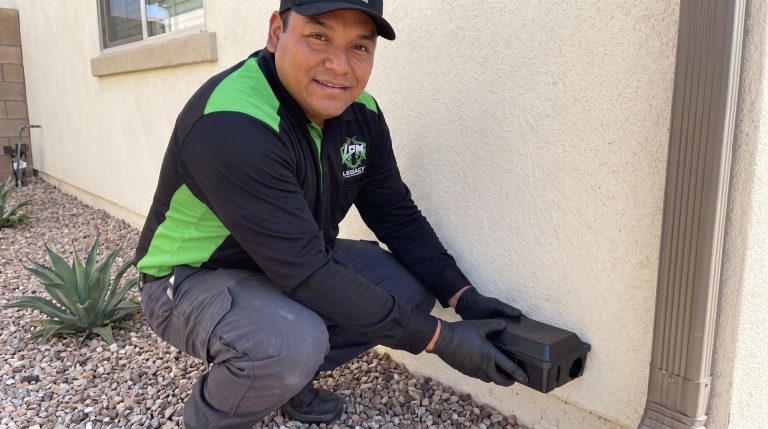
Recurring protection against ants, cockroaches, spiders, fleas, mites and the other common insects in San Diego County homes and businesses.
Learn More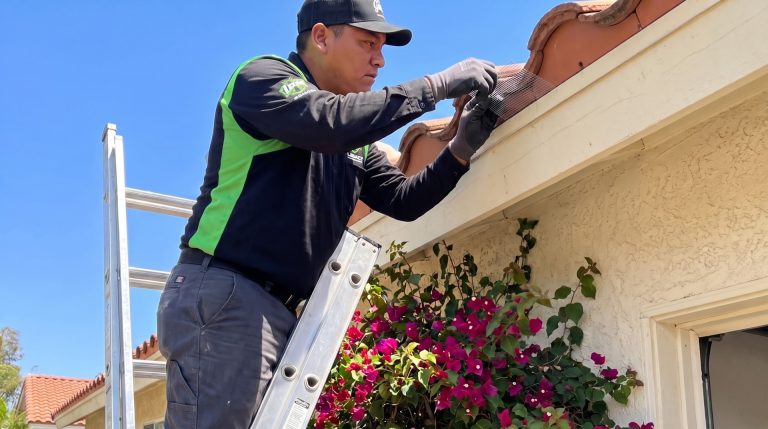
Raccoon, opossum, skunk and bird work across San Diego County. Exclusion first, and injured or orphaned animals to a licensed rehabilitator rather than destroyed.
Learn More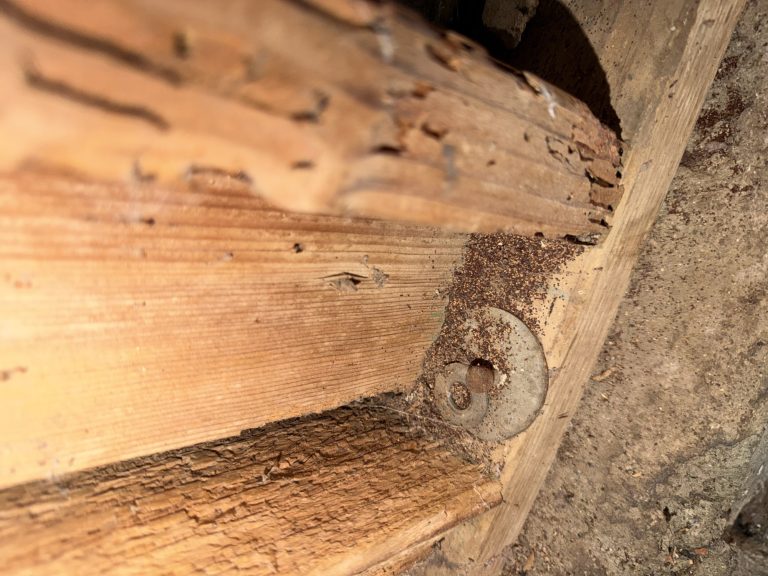
Inspection, identification and treatment for drywood and subterranean termites across San Diego County, in that order.
Learn More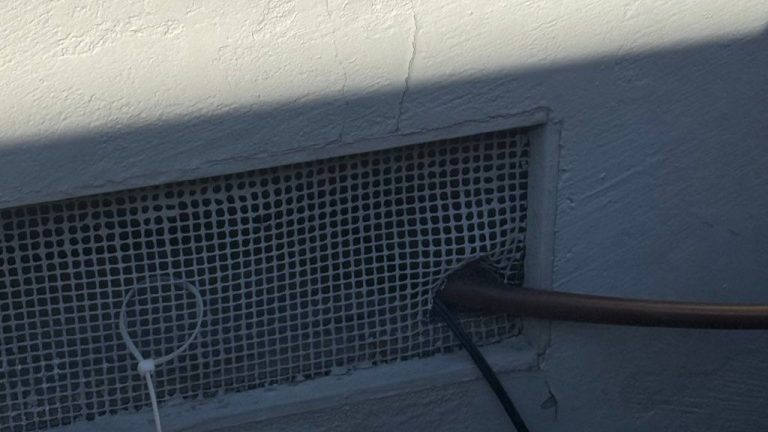
Closing how animals get in is the only step that ends the problem. Quarter-inch galvanised mesh, buried edges, and fasteners that hold.
Learn More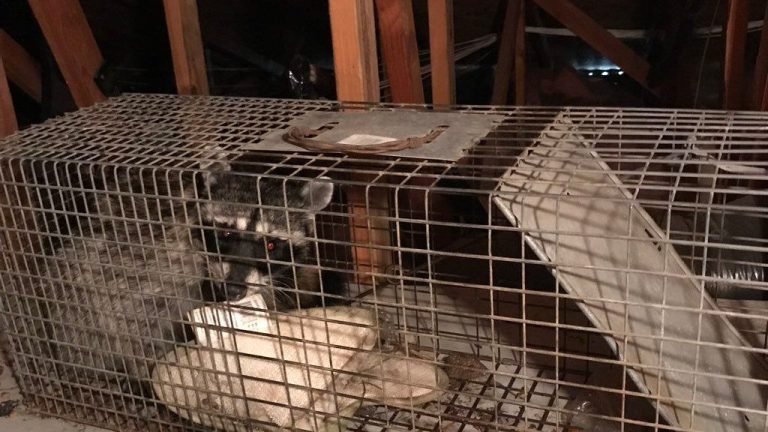
Raccoon removal and attic exclusion across San Diego County, with the latrine cleanup that most quotes leave out.
Learn More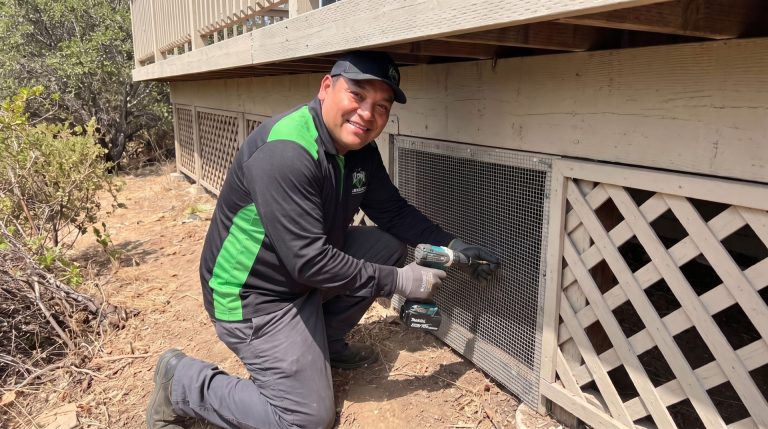
Opossum removal and under-structure exclusion for San Diego County homes, plus the flea problem that comes with them.
Learn More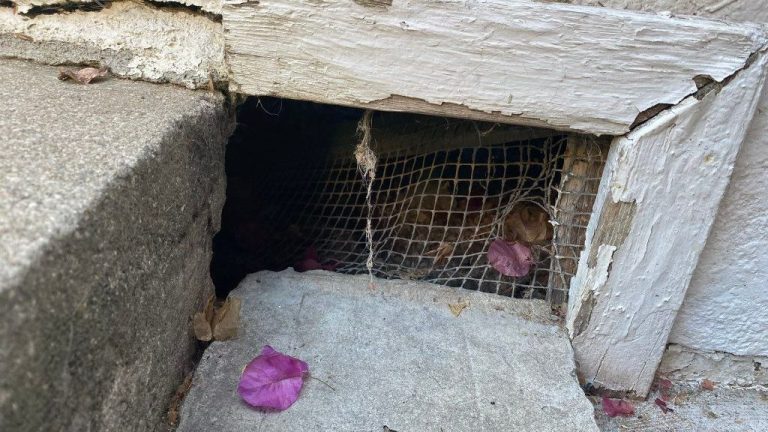
Skunk removal and den exclusion for San Diego County properties, handled so nothing gets sprayed under your house.
Learn More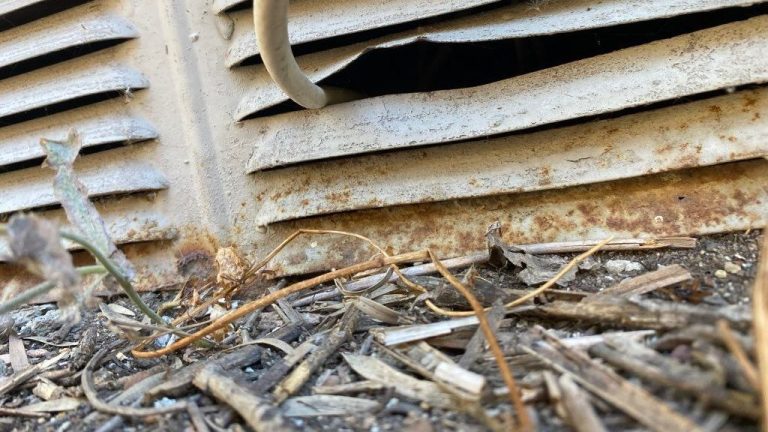
Bird exclusion, netting and solar array screening for San Diego County, worked to what federal law actually allows.
Learn More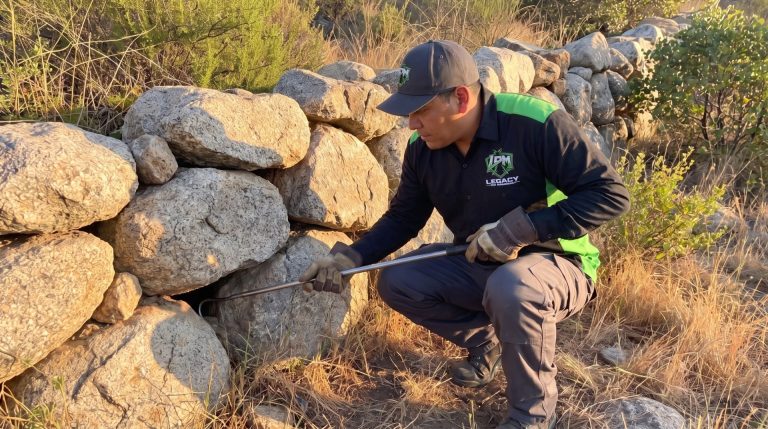
Identification first. Four rattlesnake species live in this county and one of them is illegal to kill.
Learn More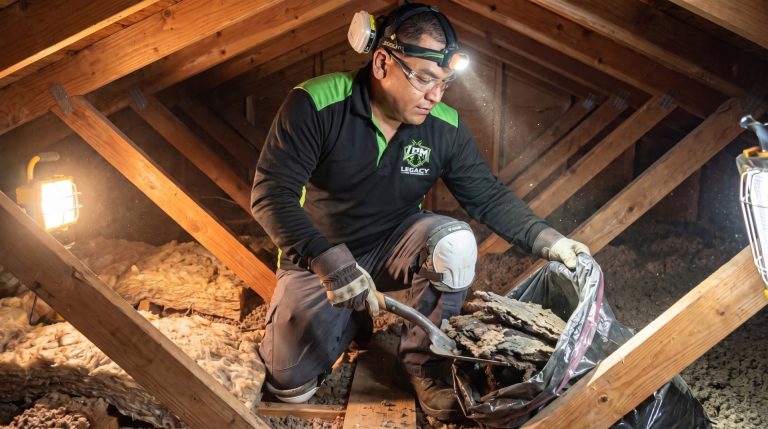
Cleanup and re-insulation after wildlife, done where it is genuinely needed and not sold where it is not.
Learn More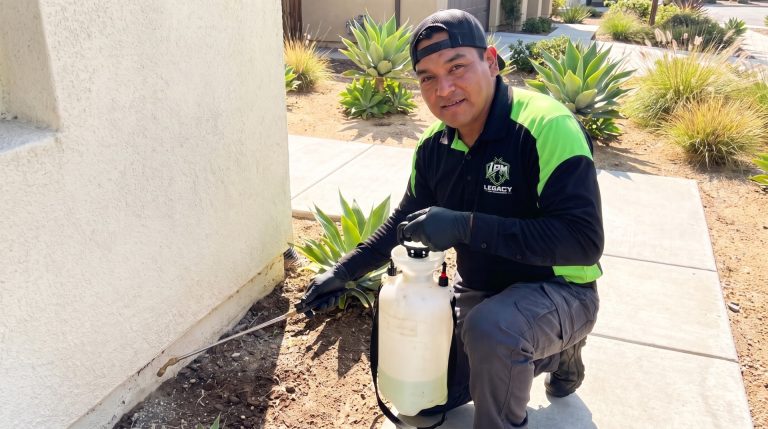
Protect your San Diego County home from pests with targeted residential treatments and prevention.
Learn More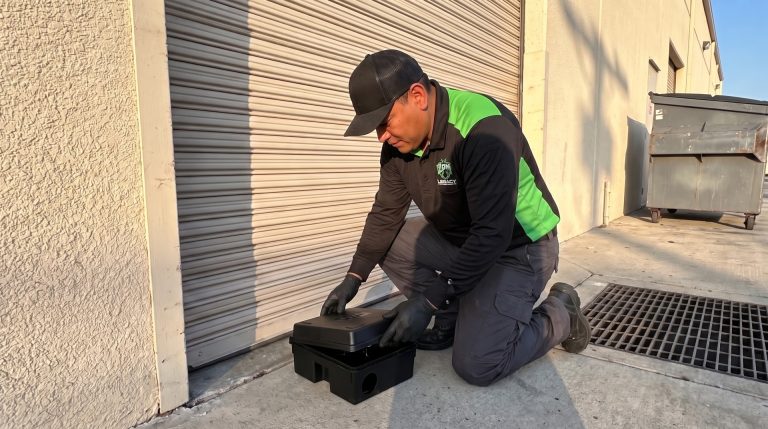
Protect your business from pests with discreet, reliable commercial pest control tailored to your property.
Learn More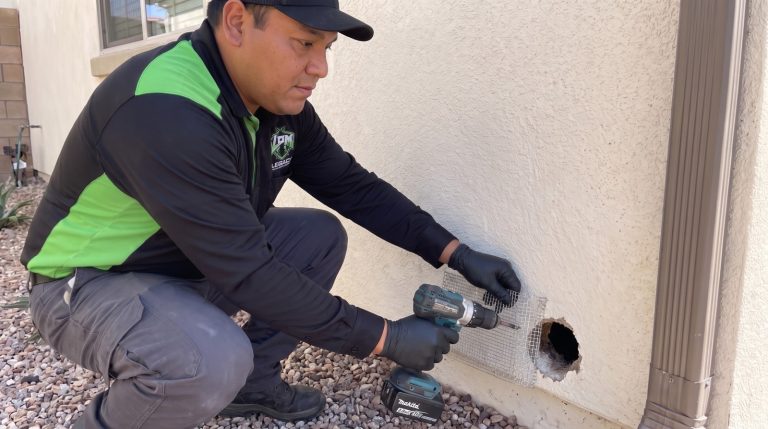
Fast rodent control for San Diego County homes and businesses with practical, lasting protection.
Learn More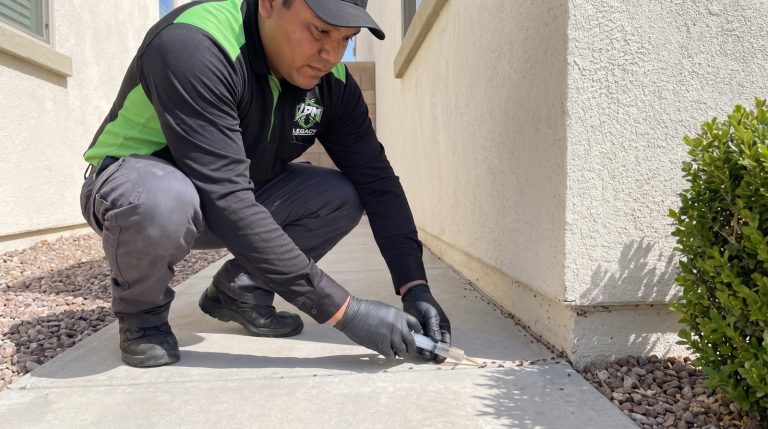
Stop ant trails fast with targeted ant control for homes and businesses across San Diego County.
Learn More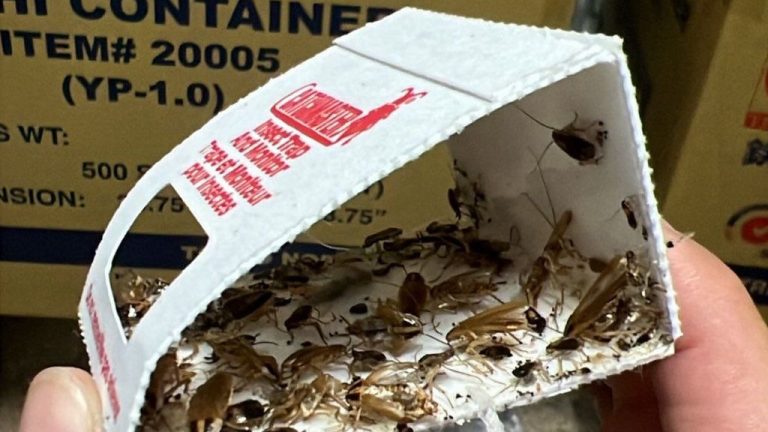
Stop roaches from spreading through your home with targeted, reliable local treatment.
Learn More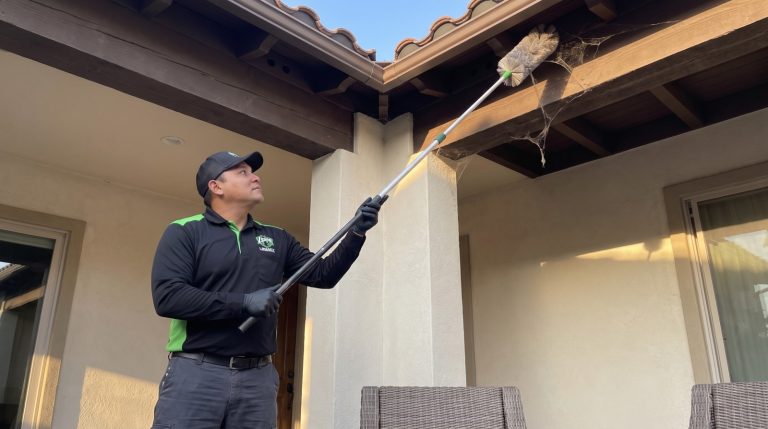
Black widows, brown widows, and the crickets and beetles that come in through the same gaps. We treat the band around the outside, not the whole yard.
Learn More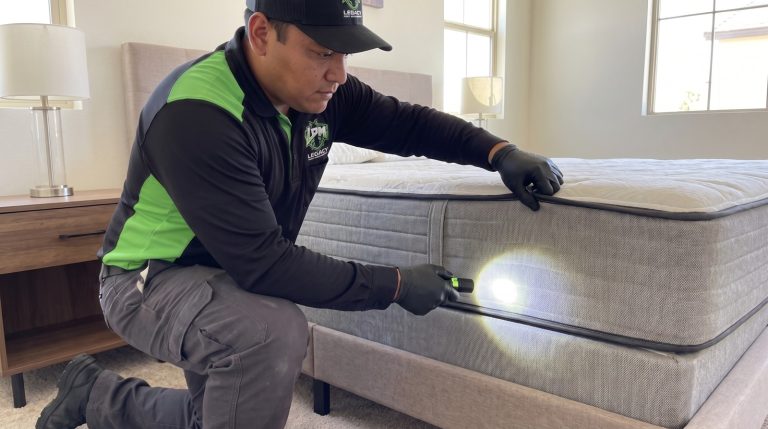
Stop bed bugs fast with careful treatment that helps protect your home and sleep.
Learn More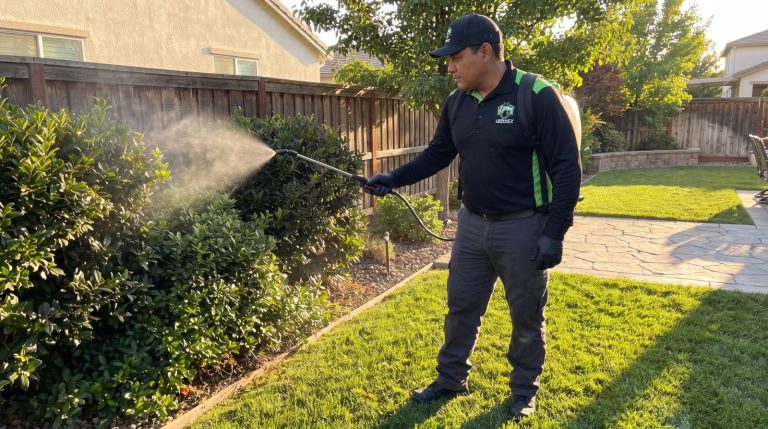
Reduce mosquito activity around your property with targeted treatments and practical prevention.
Learn More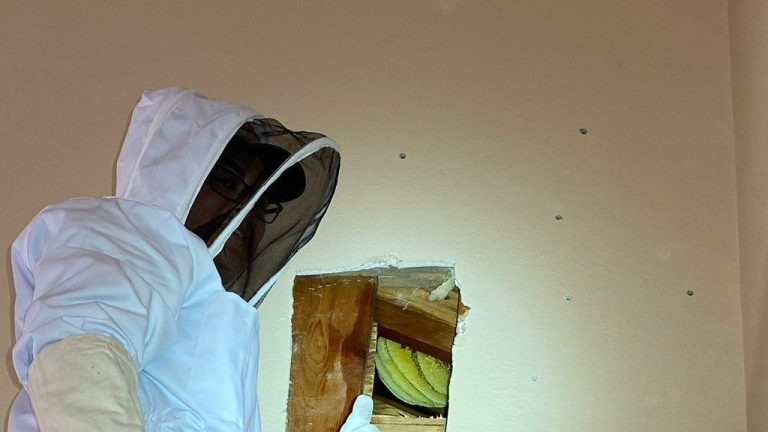
Bee, wasp, yellowjacket and hornet nests removed safely, with honey bee comb taken out rather than left in the wall.
Learn More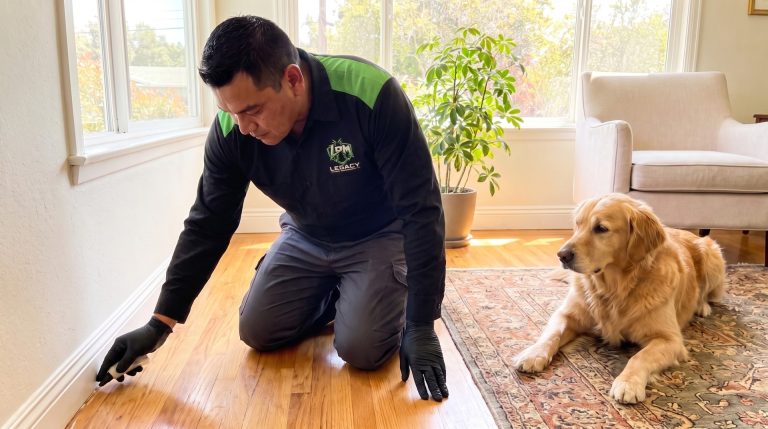
Fleas, ticks and mites are usually a symptom of something else. We find the source, treat the structure, and tell you which ticks a treatment cannot help with.
Learn More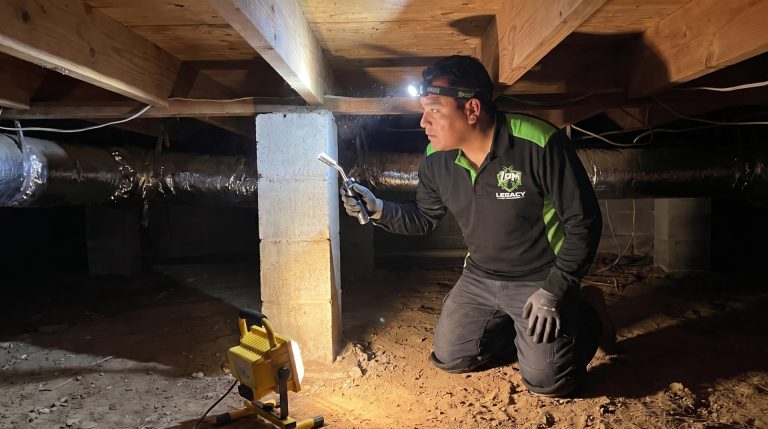
Subterranean termites, rodents, ants and moisture all start under the floor. We inspect, correct the conditions, and seal the entries.
Learn More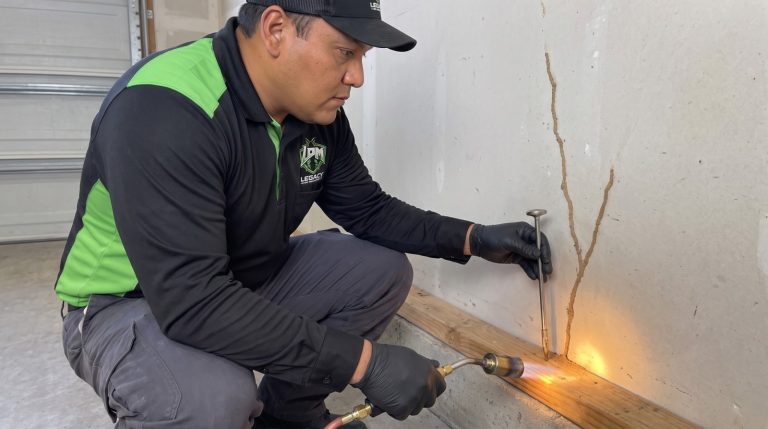
Find termite activity early with careful inspections for homes and businesses across San Diego County.
Learn More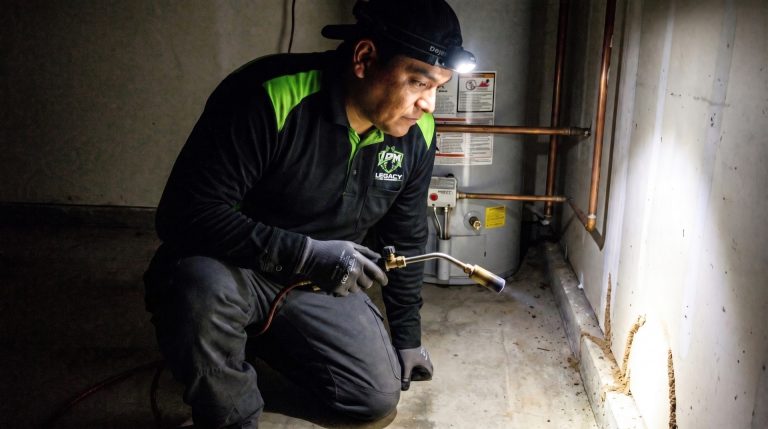
Protect your San Diego County property from termite damage with targeted treatment and clear next steps.
Learn More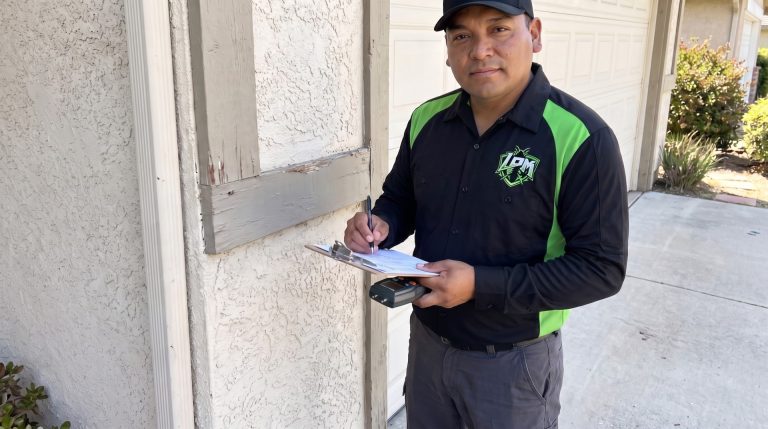
The state WDO report on form 43M-41 for escrow, refinance and pre-listing, explained rather than just handed over.
Learn More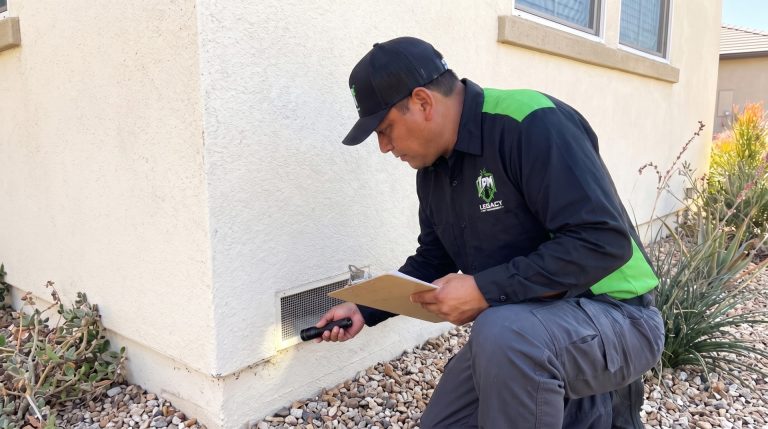
A documented inspection of what is present, where it is entering and what is sustaining it, for homes and businesses across San Diego County.
Learn More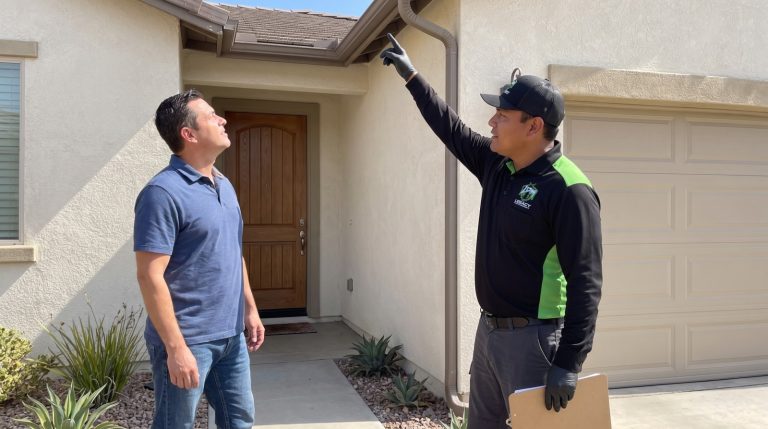
We look at the problem before anyone talks about price. No charge and no obligation.
Learn More
Ongoing service for properties that genuinely need it, and a straight answer for the ones that do not.
Learn More
Open 24 hours a day, seven days a week, with the owner answering the phone. We will also tell you when tonight will not help.
Learn More
Get Started
Tell us what you are seeing and where it is happening. You will get an honest assessment of the problem, what it takes to solve it, and whether your property needs ongoing service or a single visit. Pest, wildlife and termite work across San Diego County.